




Delhi
SUMMARY: Delhi, the National Capital Territory (NCT) of India, is a megacity that straddles the Yamuna River, serving as the country's capital and a significant cultural hub.
Overview
Delhi, a city that has witnessed the rise and fall of empires, is a true embodiment of India's rich history and diversity. With its unique blend of traditional architecture, modern infrastructure, and vibrant culture, Delhi is a destination that captivates the hearts of visitors from around the world. This bustling metropolis, home to over 16.8 million people, is a microcosm of India's complexities, where ancient traditions coexist with modern-day innovations. As the capital of India, Delhi is a symbol of the country's growth, progress, and unity.
Delhi's history dates back thousands of years, with evidence of human habitation in the region dating back to the 6th century BC. The city has been ruled by various dynasties, including the Tomaras, the Chauhans, the Delhi Sultanate, the Mughal Empire, and the British East India Company. Each of these rulers has left an indelible mark on the city, with their architectural styles, cultural traditions, and culinary delights contributing to Delhi's unique identity.
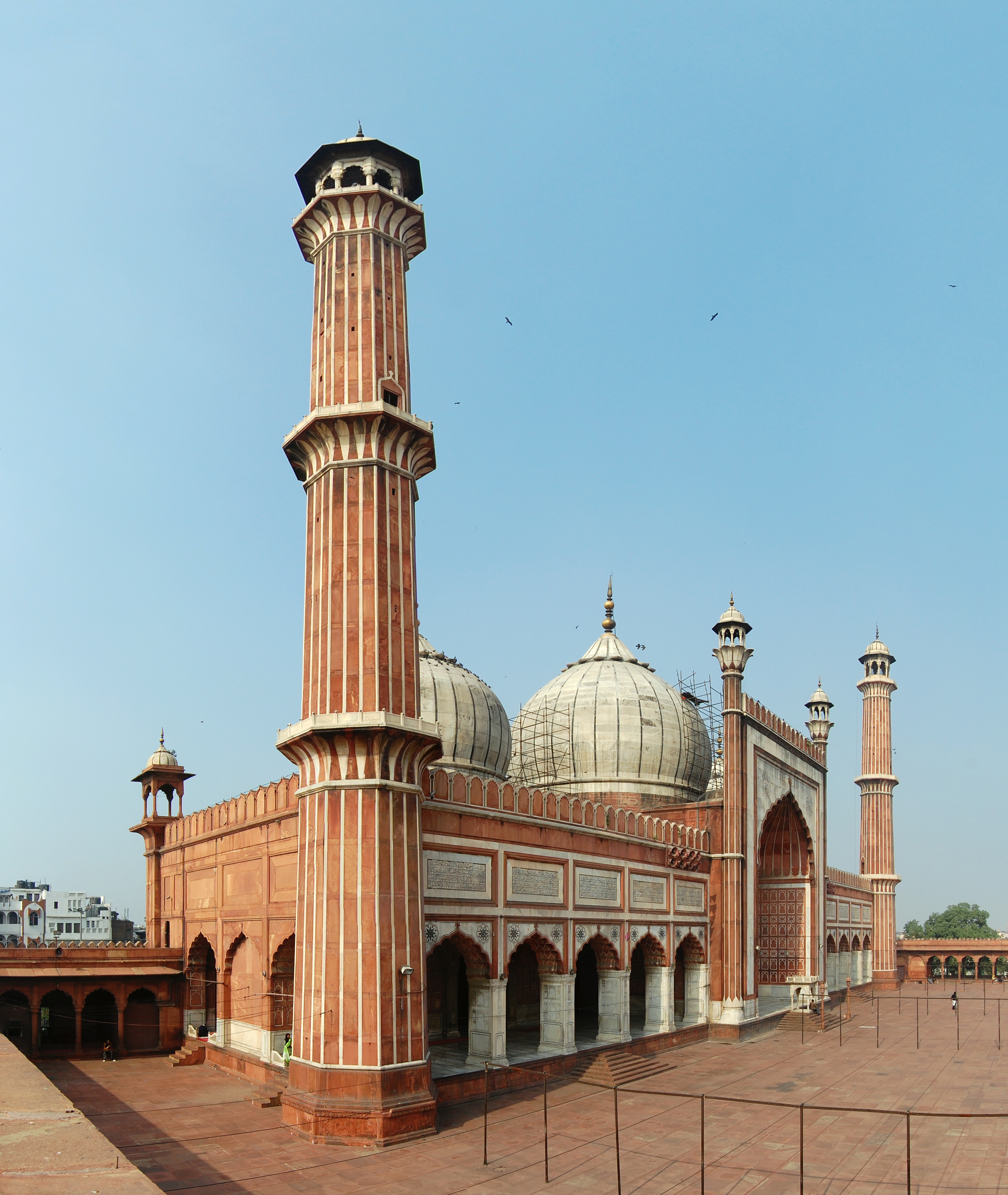
From the majestic Red Fort to the stunning Qutub Minar, Delhi is a city that is steeped in history and architecture. The city's streets are lined with ancient buildings, temples, and mosques, each telling a story of the city's rich cultural heritage. Delhi is also a hub of culinary delights, with its street food, restaurants, and local markets offering a diverse range of cuisines, from traditional Indian dishes to international flavors.
History/Background
Delhi's history is a long and complex one, with the city being ruled by various dynasties over the centuries. The city was founded by the Tomara Rajputs in the 10th century AD, and was later ruled by the Chauhans. In 1192, the city was captured by Qutb-ud-din Aibak, who established the Delhi Sultanate. The Sultanate was followed by the Mughal Empire, which ruled the city from 1526 to 1756. During this period, Delhi became a center of learning, art, and culture, with the city being home to some of the greatest minds of the time.
In 1857, the Indian Rebellion of 1857 broke out in Delhi, with the city being a key battleground. The rebellion was eventually put down by the British East India Company, and Delhi became a part of the British Raj. After India gained independence in 1947, Delhi became the capital of the newly formed nation.
Key Information
- Area: 1,484 square kilometers (573 sq mi)
- Population: Over 16.8 million people
- Language: Hindi, English, and other regional languages
- Climate: Semi-arid climate with hot summers and mild winters
- Economy: Service-based economy with a focus on finance, IT, and healthcare
- Infrastructure: Well-developed road network, metro system, and international airport
Significance
Delhi's significance extends far beyond its role as the capital of India. The city is a symbol of the country's progress, unity, and diversity. Delhi's rich cultural heritage, vibrant streets, and stunning architecture make it a destination that is loved by visitors from around the world. As a hub of international diplomacy, business, and innovation, Delhi plays a critical role in shaping India's future and its position on the global stage.
INFOBOX:
- Name: National Capital Territory (NCT) of Delhi
- Type: Union territory and megacity
- Date: 1 November 1956 (union territory) and 1995 (NCT)
- Location: North India, straddling the Yamuna River
- Known For: Rich cultural heritage, vibrant streets, stunning architecture, and its role as the capital of India
TAGS: Delhi, India, National Capital Territory, megacity, union territory, capital city, cultural heritage, architecture, history, food, festivals, diplomacy, business, innovation, diversity, unity, growth, progress.


