Overview
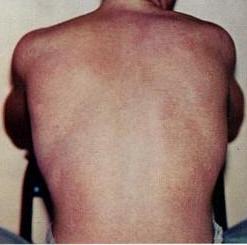
Dengue fever is an acute infection caused by any of four closely related serotypes of dengue virus (DENV‑1 to DENV‑4), members of the Flaviviridae family. The virus is transmitted to humans through the bite of infected female Aedes aegypti or Aedes albopictus mosquitoes, which thrive in warm, humid climates and breed in artificial containers such as tires, buckets, and flower pots. After an incubation period of 3 to 14 days, most infected individuals experience either no symptoms or a brief, self‑limited illness characterized by high fever, severe headache (often behind the eyes), retro‑orbital pain, nausea, vomiting, muscle and joint aches (“break‑bone fever”), and a distinctive maculopapular rash that may itch. The febrile phase typically lasts 2–7 days, after which most patients recover fully.A small proportion—estimated at 1–5 %—progress to severe dengue (formerly dengue hemorrhagic fever/dengue shock syndrome). Hallmarks include marked thrombocytopenia (low platelet count), plasma leakage leading to hemoconcentration, spontaneous bleeding, and potentially dangerous drops in blood pressure (shock). Early recognition and prompt supportive care are critical; delayed treatment can be fatal. Anyone experiencing persistent high fever, severe abdominal pain, persistent vomiting, bleeding gums, or signs of shock should seek immediate medical attention.
History/Background
The first recorded epidemic resembling dengue occurred in the Jin Dynasty of China (265 CE), but the disease was not scientifically described until the late 18th century, when “break‑bone fever” was noted in the Caribbean and Asia. In 1906, the virus was isolated from a patient in Japan, and by 1943 the term dengue was formally adopted in medical literature. The identification of the four serotypes occurred between 1953 and 1964, revealing why secondary infections with a different serotype often precipitate severe disease—a phenomenon known as antibody‑dependent enhancement.The global spread accelerated after World War II, driven by rapid urbanization, increased international travel, and the expansion of Aedes mosquito habitats. The World Health Organization (WHO) first recognized dengue as a major public health threat in the 1970s, and in 1997 launched the Global Strategy for Dengue Prevention and Control. The 21st century has seen a dramatic rise in cases: from an estimated 500 000 infections in 2000 to over 100 million symptomatic cases annually, with a marked shift toward urban slums in Asia, the Pacific, the Americas, and Africa.
Key Information
- Causative agents: Four serotypes of dengue virus (DENV‑1, DENV‑2, DENV‑3, DENV‑4). - Vector: Primarily Aedes aegypti; secondary vector Aedes albopictus. - Incubation: 3–14 days (average 4–7 days). - Clinical spectrum: Asymptomatic → mild dengue fever → severe dengue (hemorrhagic fever, shock). - Diagnosis: Clinical assessment plus laboratory confirmation via NS1 antigen test, RT‑PCR, or IgM/IgG serology. - Management: No specific antiviral; treatment is supportive—fluid replacement, antipyretics (avoid NSAIDs/aspirin due to bleeding risk), and close monitoring of hematocrit and platelet counts. - Prevention: Vector control (eliminating breeding sites, insecticide spraying, use of larvicides), personal protection (window screens, repellents, long sleeves), and vaccination. The WHO‑prequalified CYD‑TDV (Dengvaxia) is approved for individuals 9–45 years with prior dengue infection; newer tetravalent vaccines (TAK‑003, TV003/TV005) are in late‑stage trials. - Public health measures: Integrated vector management, community education, early case detection, and outbreak response teams.Significance
Dengue fever imposes a heavy socioeconomic burden, especially in low‑ and middle‑income countries where health systems are already strained. Direct costs include hospitalization, diagnostic testing, and loss of productivity; indirect costs arise from long‑term disability and reduced tourism. The disease also serves as a sentinel for climate change impacts, as rising temperatures expand the geographic range of Aedes mosquitoes into previously non‑endemic regions. Effective control of dengue therefore contributes to broader goals of urban health, climate resilience, and global health security.Research into dengue has spurred advances in virology, immunology, and vector biology. Understanding antibody‑dependent enhancement has informed vaccine design for other flaviviruses, such as Zika and West Nile. Moreover, community‑based vector control programs pioneered for dengue have been adapted for chikungunya and yellow fever, illustrating the disease’s legacy in shaping integrated disease‑prevention strategies worldwide.
When to seek professional care: If you develop high fever accompanied by severe abdominal pain, persistent vomiting, bleeding from gums or nose, rapid breathing, or signs of faintness, obtain medical evaluation promptly. Early supportive care can prevent progression to severe dengue and save lives.