




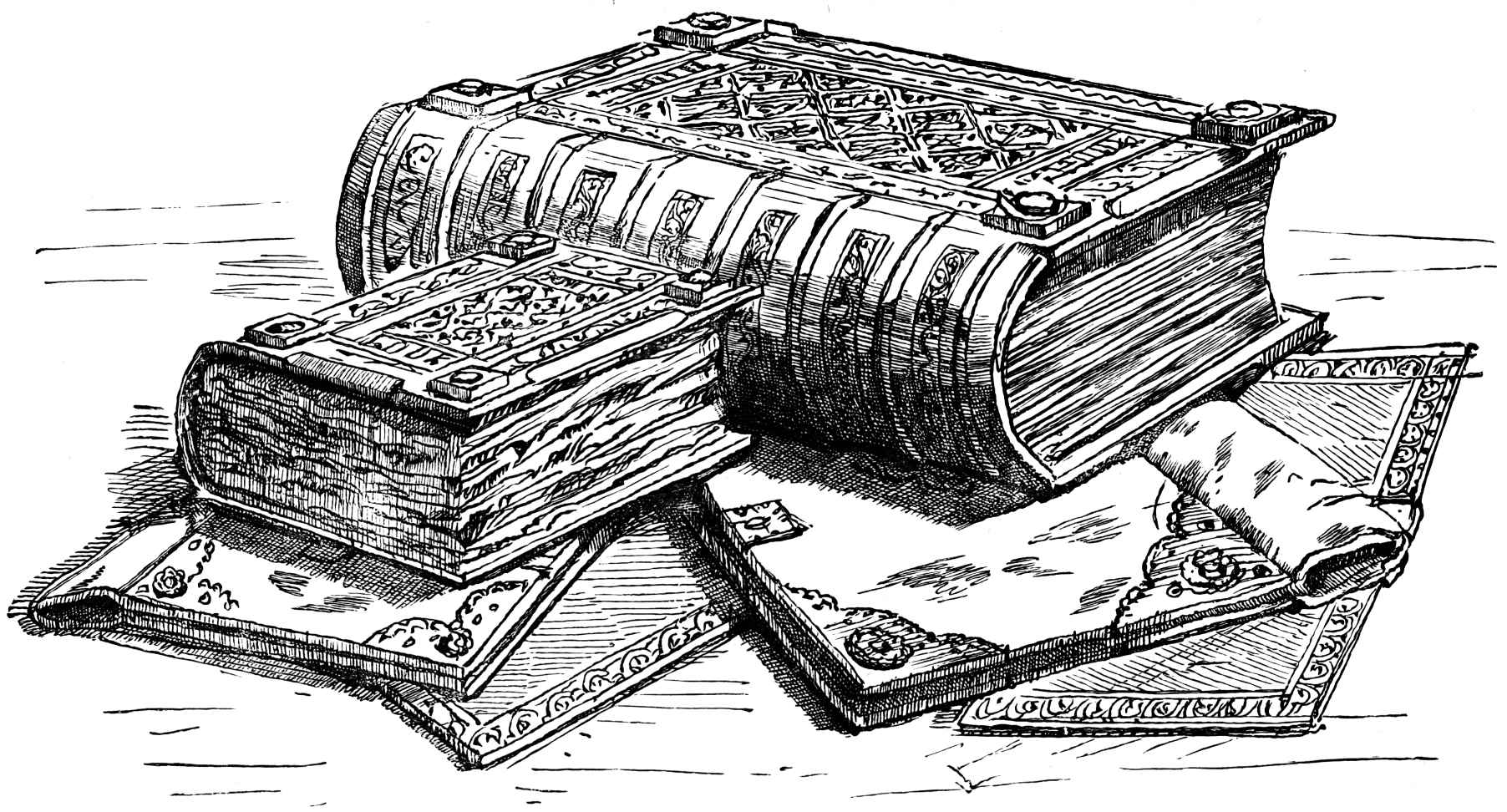
Domesday Book
The Domesday Book is a comprehensive manuscript record of the Great Survey of much of England and parts of Wales completed in 1086 at the behest of William the Conqueror. The manuscript was originally known by the Latin name Liber de Wintonia, meaning "Book of Winchester", where it was originally kept in the royal treasury. The Anglo-Saxon Chronicle states that in 1085 the king sent his agents to survey every shire in England, to list his holdings and dues owed to him.
The Domesday Book is a remarkable example of medieval record-keeping and administrative prowess. It provides a detailed snapshot of the social, economic, and geographical landscape of England and Wales during the late 11th century. The survey was conducted by teams of royal officials, who gathered information on land ownership, taxation, population, and agricultural production. The resulting manuscript is a treasure trove of information for historians, providing insights into the lives of medieval people, the feudal system, and the impact of the Norman Conquest on English society.
The Domesday Book has had a profound impact on our understanding of medieval England and its history. It has been studied by scholars for centuries, and its contents have been used to inform debates about the nature of feudalism, the role of the state in medieval society, and the development of English law. Today, the Domesday Book is considered one of the most important historical documents in the English language, and its significance extends far beyond its original purpose as a record of the king's holdings.
Origins and Purpose
The Domesday Book was commissioned by William the Conqueror in 1085, shortly after his victory at the Battle of Hastings in 1066. The king's primary motivation for conducting the survey was to establish a comprehensive record of his holdings and the dues owed to him by his subjects. The survey was also intended to provide a basis for taxation and to inform the king's decisions about land distribution and policy.
The survey was conducted by teams of royal officials, who were tasked with gathering information on land ownership, taxation, population, and agricultural production. The officials used a standardized questionnaire to gather information from local communities, and their findings were recorded in a series of detailed entries. The resulting manuscript was compiled from the returns of over 13,000 local communities, and it covers a vast range of topics, including land ownership, taxation, population, and agricultural production.
Mechanism and Content
The Domesday Book is a large manuscript, consisting of over 900 pages of text and 1,000 illustrations. The manuscript is divided into two main sections: the "Great Survey" and the "Little Survey". The Great Survey covers the counties of England and Wales, while the Little Survey covers the counties of Kent, Surrey, Sussex, and Middlesex.
The manuscript is written in Latin, and it includes a range of information, including:
* Land ownership and taxation
* Population and demographics
* Agricultural production and land use
* Economic activity and trade
* Social and cultural institutions
The Domesday Book also includes a range of illustrations, including maps, diagrams, and sketches. These illustrations provide valuable insights into the geography and landscape of medieval England and Wales.
Significance and Impact
The Domesday Book has had a profound impact on our understanding of medieval England and its history. It provides a detailed snapshot of the social, economic, and geographical landscape of England and Wales during the late 11th century, and it has been used to inform debates about the nature of feudalism, the role of the state in medieval society, and the development of English law.
The Domesday Book has also had a significant impact on the development of English historiography. It has been studied by scholars for centuries, and its contents have been used to inform debates about the nature of medieval society and the impact of the Norman Conquest on English culture.
Legacy and Preservation
The Domesday Book is now housed in The National Archives in Kew, London, where it is considered one of the most important historical documents in the English language. The manuscript has been carefully preserved and conserved, and it is available to scholars and researchers through a range of digital platforms.
The Domesday Book has also inspired a range of literary and artistic works, including novels, poems, and paintings. It has been the subject of numerous exhibitions and events, and it continues to be celebrated as a symbol of English history and culture.



