




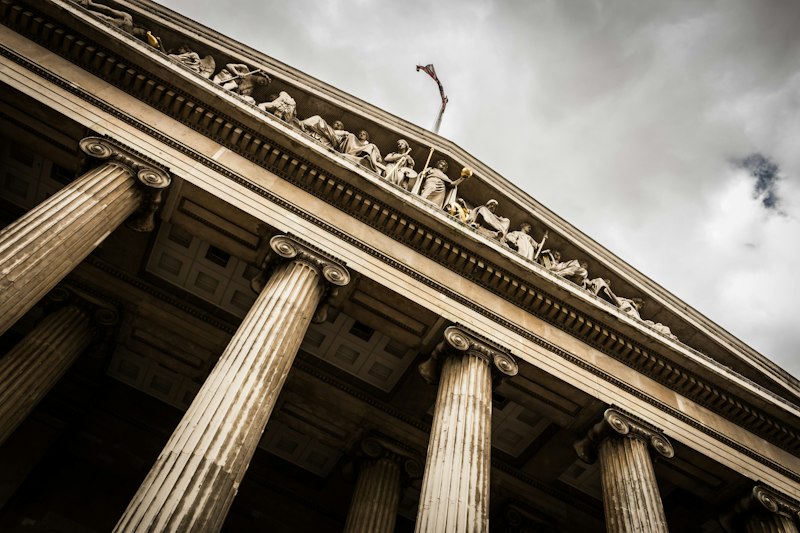
Due Process
Summary
Due process is a fundamental principle of law that ensures individuals are treated fairly and justly in the face of government action. It guarantees the right to a fair trial, protection from arbitrary or capricious actions, and the right to appeal decisions. Due process is a cornerstone of democratic societies and is enshrined in various national and international laws.
History of Due Process
The concept of due process dates back to ancient civilizations, with the Romans and Greeks advocating for fair treatment under the law. However, the modern concept of due process as we know it today originated in the United States with the Fourteenth Amendment to the US Constitution in 1868. The amendment's Due Process Clause states: "nor shall any State deprive any person of life, liberty, or property, without due process of law."
Key Principles of Due Process
Due process encompasses several key principles, including:
* Fair notice: Individuals must be informed of the charges or actions against them.
* Opportunity to be heard: Individuals must be given the chance to present their case and defend themselves.
* Impartial decision-making: Decisions must be made by impartial and unbiased individuals.
* Right to appeal: Individuals have the right to appeal decisions to higher courts.
Types of Due Process
There are two types of due process: procedural due process and substantive due process.
* Procedural due process: This type of due process focuses on the procedures used to deprive individuals of their rights, ensuring that they are fair and just.
* Substantive due process: This type of due process focuses on the substance of the law itself, ensuring that it is reasonable and does not arbitrarily deprive individuals of their rights.
International Due Process
Due process is not unique to the United States and is enshrined in various international laws and treaties, including:
* Universal Declaration of Human Rights: Article 10 states: "Everyone is entitled in full equality to a fair and public hearing by an independent and impartial tribunal."
* International Covenant on Civil and Political Rights: Article 14 states: "Everyone shall be entitled to a fair and public hearing by a competent, independent and impartial tribunal."
Key Cases and Figures
Some notable cases and figures in the history of due process include:
* Marbury v. Madison (1803): A landmark Supreme Court case that established the principle of judicial review.
* Brown v. Board of Education (1954): A landmark Supreme Court case that declared segregation in public schools unconstitutional.
* Justice William Brennan: A prominent Supreme Court Justice who wrote extensively on due process and its importance in American society.



