
**
Overview
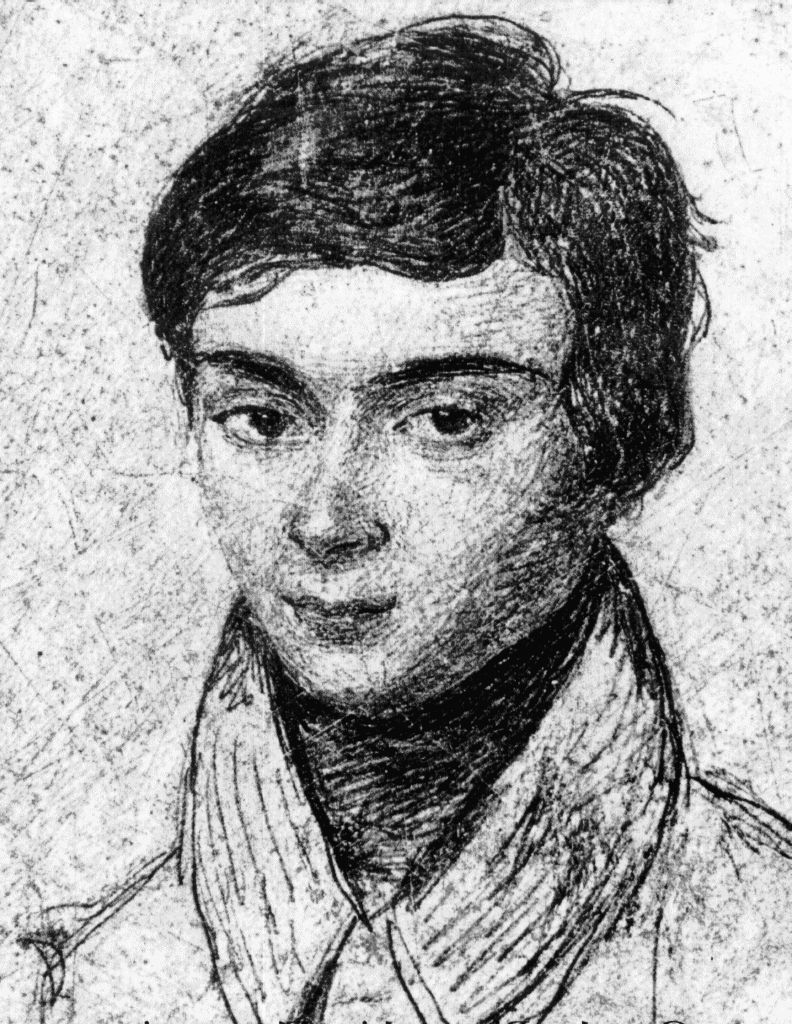
Edvard Munch emerged from the mist‑shrouded fjords of Norway to become one of the most influential figures in the transition from 19th‑century realism to 20th‑century expressionism. His oeuvre, spanning more than six decades, is a relentless exploration of anxiety, love, death, and the fragile psyche. While The Scream has become an instantly recognizable cultural icon, Munch’s broader body of work—including series such as The Frieze of Life, The Madonna, and The Dance of Life—reveals a sophisticated visual language of swirling color, distorted form, and symbolic motifs that pre‑figured both German Expressionism and later abstract movements.Munch’s art is deeply autobiographical; he channeled personal trauma—his mother’s early death, his sister’s suicide, and his own bouts of melancholy—into canvases that pulse with raw feeling. This confessional intensity made his paintings feel less like decorative objects and more like psychological case studies, inviting viewers to confront their own inner turmoil. His daring use of non‑naturalistic color and flattened perspective broke with academic conventions, positioning him as a forerunner of modernist experimentation.
History/Background
Born on December 12, 1863 in Loten, Norway, Munch grew up in a modest household marked by loss; his mother, Laura, died of tuberculosis when he was five, and his beloved sister, Sophie, succumbed to the same disease in 1898. These early experiences of grief forged the thematic core of his later work. He studied briefly at the Royal School of Art and Design in Kristiania (now Oslo) under Christian Krohg, absorbing realist techniques while simultaneously rebelling against the academy’s strictures.In the 1880s Munch traveled to Paris, where he encountered the Symbolists, the Impressionists, and the burgeoning avant‑garde. The city’s vibrant café culture and the works of artists like Claude Monet, Paul Gauguin, and Vincent van Gogh expanded his palette and encouraged a more expressive approach. By 1892 he returned to Norway, settling in Oslo and beginning the series that would cement his reputation: The Scream (1893), Madonna (1894‑95), and The Vampire (1895). These pieces were exhibited at the 1900 International Exposition in Paris, earning both scandal and acclaim.
Munch’s later years were marked by prolific output and increasing recognition. He moved to Berlin in 1912, where he befriended Franz Marc and Wassily Kandinsky, influencing the German Expressionist group Die Brücke. World War II forced him back to Norway, where he continued to paint despite declining health. He died on January 23, 1944 in Oslo, leaving behind a vast archive of paintings, prints, and diaries.
Key Information
- Full name: Edvard Munch - Birth‑Death: 1863‑1944 (Norwegian) - Signature works: The Scream (1893), The Madonna (1894‑95), The Dance of Life (1899‑1900), The Sick Child (1885‑86) - Major series: The Frieze of Life (a ten‑painting cycle exploring love, anxiety, and death) - Techniques: Oil, tempera, pastel, lithography; pioneering use of symbolic color and psychological distortion - Awards/Recognition: 1908 Order of St. Olav (Knight), 1925 Nobel Prize in Literature nomination (as a “visual poet”), 1936 retrospective at the National Gallery, Oslo - Influence: Directly inspired German Expressionists, the Abstract Expressionists of the 1940s‑50s, and contemporary visual storytellers in film and graphic design.Significance
Munch’s impact reverberates far beyond the canvas. The Scream has become a universal shorthand for existential dread, reproduced on everything from museum placards to pop‑culture memes, illustrating how a single image can transcend its original context to become a collective visual language. His willingness to lay bare personal anguish paved the way for later artists to treat art as a therapeutic medium, influencing figures such as Jackson Pollock, Frida Kahlo, and Anselm Kiefer.Moreover, Munch’s synthesis of Symbolist mysticism with modernist abstraction helped bridge the 19th‑century romantic tradition and the 20th‑century avant‑garde. By rejecting strict realism in favor of emotional truth, he challenged the notion that art must imitate nature, instead arguing that it should mirror the inner landscape of the soul. This philosophical shift underpins much of contemporary visual culture, from cinema’s chiaroscuro lighting to the emotive aesthetics of video games.
Munch’s legacy also lives in the institutional realm: the Munch Museum in Oslo, opened in 1963, houses over 1,000 of his works and serves as a research hub for scholars worldwide. His diaries, published posthumously, offer invaluable insight into the creative process, cementing his status not only as a painter but as a chronicler of modern human experience.
INFOBOX:
- Name: Edvard Munch
- Type: Painter, Printmaker, Visual Artist
- Date: 1863 – 1944
- Location: Norway (born Loten; active in Oslo, Berlin, Paris)
- Known For: The Scream (1893) and the Frieze of Life series
TAGS: Edvard Munch, Expressionism, Norwegian art, The Scream, Symbolism, Modernism, 19th‑century painters, Art history