




Giants Causeway
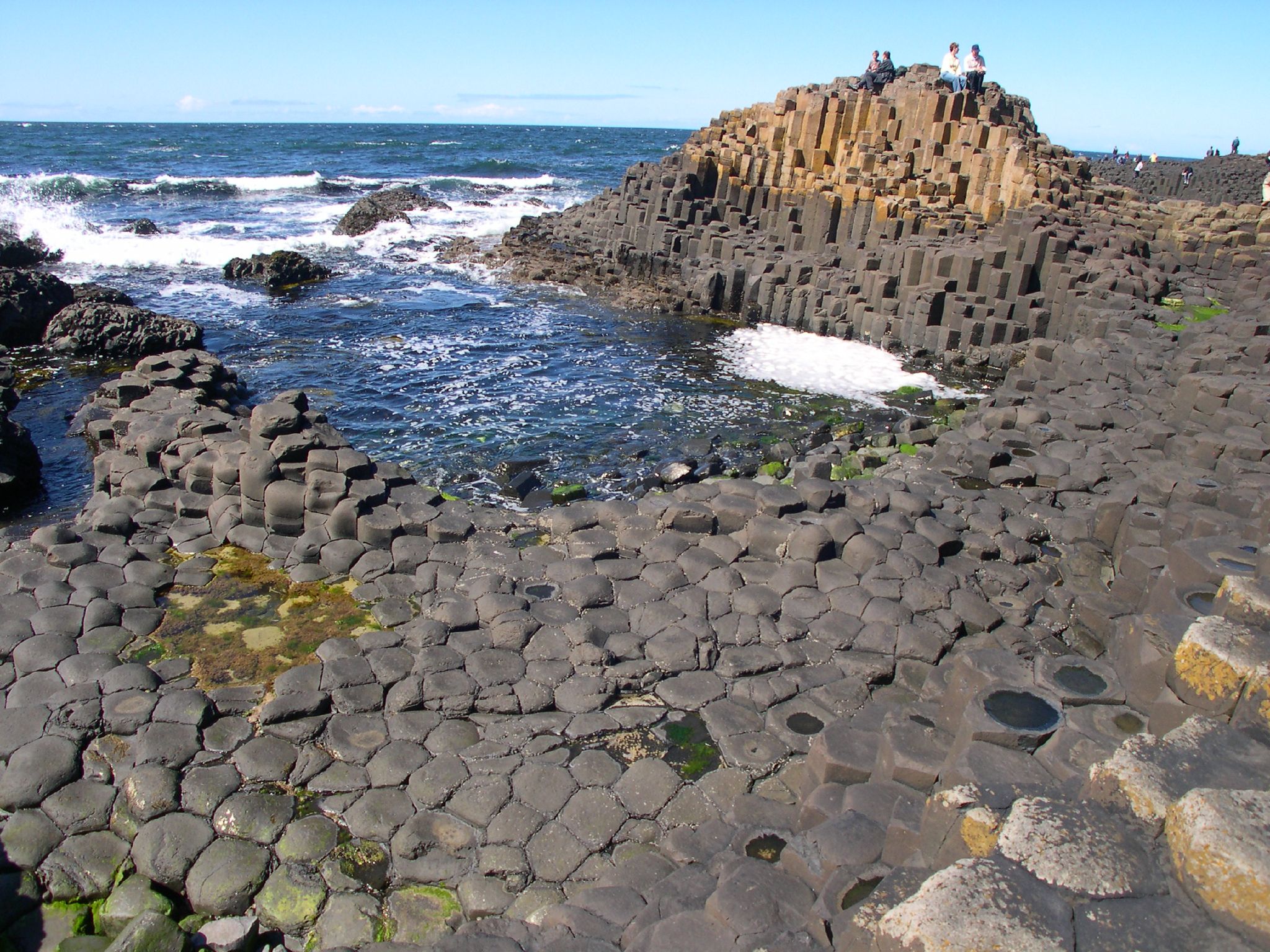
SUMMARY: The Giant's Causeway is a breathtaking natural wonder in Northern Ireland, featuring an estimated 40,000 interlocking basalt columns created by an ancient volcanic eruption.
Overview
Located on the north coast of Northern Ireland, the Giant's Causeway is a mesmerizing sight that has captivated visitors for centuries. This natural wonder is situated in County Antrim, approximately three miles northeast of the charming town of Bushmills. The causeway stretches out into the Atlantic Ocean, creating a dramatic landscape of towering columns that seem to defy gravity. As the waves crash against the shore, the sound of the water echoing off the columns creates an otherworldly atmosphere, as if the very fabric of the earth has been torn apart.
The Giant's Causeway is not just a stunning natural phenomenon; it is also steeped in mythology and folklore. According to Irish legend, the causeway was created by the giant Finn McCool, who built it to reach his rival, Benandonner, across the sea. The story goes that Finn McCool was challenged by Benandonner to a fight, but when he saw the size of his opponent, he retreated back to Ireland and built the causeway to escape. However, when Benandonner followed him, Finn McCool's wife, Oonagh, disguised him as a baby and told Benandonner that the baby's father was a giant. Benandonner, thinking that the father must be enormous, retreated back to Scotland, destroying the causeway behind him.
The Giant's Causeway is not just a product of Irish mythology; it is also a testament to the region's geological history. The causeway is part of the North Atlantic Igneous Province, a vast area of volcanic rock that was formed during the Paleogene period, around 60 million years ago. The volcanic activity that created the causeway was a result of the movement of tectonic plates, which pushed magma up through the earth's crust, eventually solidifying into the distinctive columns that we see today.
History/Background
The Giant's Causeway has been a source of fascination for humans for thousands of years. The earliest recorded mention of the causeway dates back to the 17th century, when it was described by the Irish historian, John O'Donovan. However, it is likely that the causeway was known to the ancient Celts, who revered the natural world and believed that the earth was imbued with spiritual energy. In the 19th century, the causeway became a popular tourist destination, with visitors drawn to its natural beauty and mythological significance.
Key Information
- Area: The Giant's Causeway covers an area of approximately 40,000 interlocking basalt columns.
- Location: The causeway is situated in County Antrim, Northern Ireland, approximately three miles northeast of Bushmills.
- Geology: The causeway is part of the North Atlantic Igneous Province, a vast area of volcanic rock formed during the Paleogene period.
- Height: The columns can reach heights of up to 39 feet (12 meters).
- Age: The causeway is estimated to be around 60 million years old.
Significance
The Giant's Causeway is not just a natural wonder; it is also a source of cultural and economic significance. The causeway is a UNESCO World Heritage Site, recognized for its natural beauty and cultural importance. It is also a major tourist destination, attracting millions of visitors each year. The causeway has also inspired countless works of art, literature, and music, cementing its place in the cultural imagination.
INFOBOX:
- Name: Giant's Causeway
- Type: Natural Wonder
- Date: Paleogene period (around 60 million years ago)
- Location: County Antrim, Northern Ireland
- Known For: Unique interlocking basalt columns created by ancient volcanic eruption
TAGS: Natural Wonder, UNESCO World Heritage Site, Volcanic Eruption, Basalt Columns, Irish Mythology, Northern Ireland, County Antrim, Bushmills, Tourism, Cultural Significance.


