




**
Overview
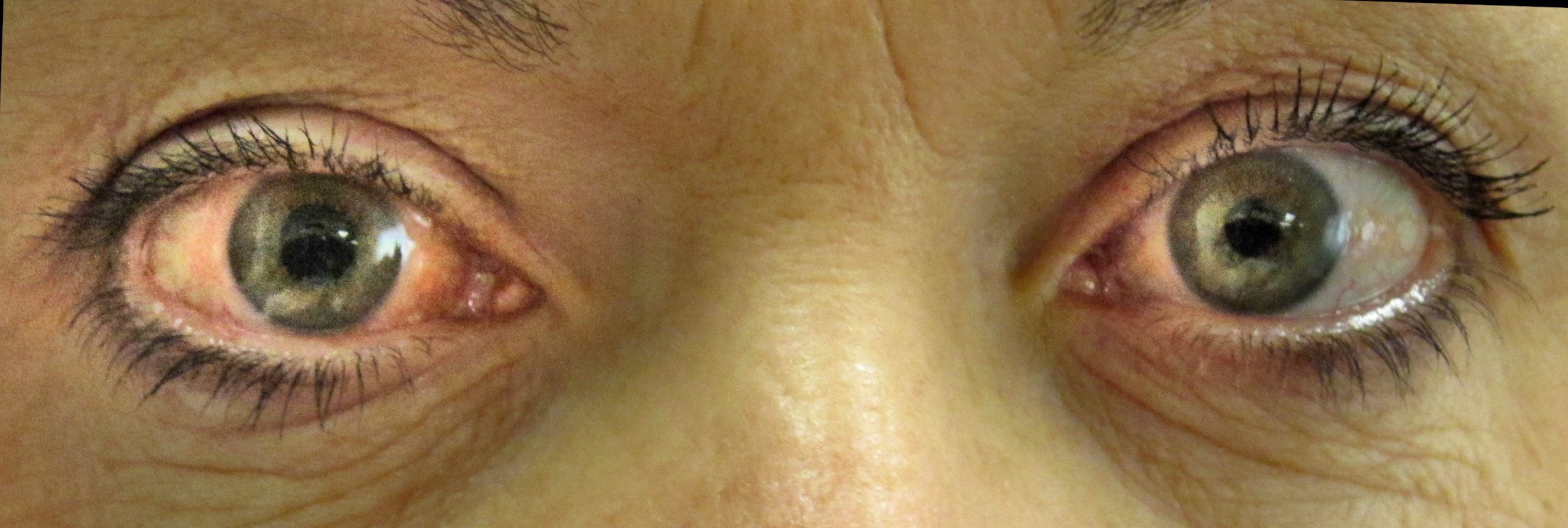
Glaucoma encompasses a spectrum of optic neuropathies characterized by the gradual loss of retinal ganglion cells and their axons, which form the optic nerve. The most common form, primary open‑angle glaucoma (POAG), develops silently; patients may retain normal visual acuity while peripheral vision slowly deteriorates, earning the condition the nickname “silent thief of sight.” In contrast, angle‑closure glaucoma can present abruptly with severe eye pain, halos around lights, nausea, and a rapid rise in intraocular pressure (IOP).The disease’s hallmark is an abnormal increase in IOP, caused either by impaired outflow of aqueous humor through the trabecular meshwork (open‑angle) or by a sudden blockage of the drainage angle (closed‑angle). However, glaucoma can also occur at normal pressures—a situation termed normal‑tension glaucoma—highlighting that vascular, genetic, and inflammatory factors also contribute. Early detection relies on comprehensive eye examinations that include IOP measurement, optic‑nerve head imaging, and visual‑field testing. Because vision loss is irreversible, timely referral to an eye‑care professional is essential whenever risk factors are present or symptoms arise.
History/Background
The term glaucoma derives from the Ancient Greek γλαυκός (glaukós), meaning “gleaming, blue‑green, gray,” a reference to the cloudy, hazy appearance of the eye in advanced disease. Early descriptions appear in the writings of Hippocrates (5th century BC), but the condition remained poorly understood for centuries. In the 19th century, Albrecht von Graefe and other pioneers recognized that elevated IOP could damage the optic nerve, establishing the pressure‑damage paradigm still central today.Key milestones include:
* 1855 – Albrecht von Graefe publishes “Zur Pathologie und Therapie des Glaukoms,” linking IOP to optic‑nerve loss.
* 1900s – Development of the Goldmann applanation tonometer, providing reliable IOP measurement.
* 1960s – Introduction of laser trabeculoplasty, offering a non‑surgical method to improve aqueous outflow.
* 1990s – FDA approval of the first prostaglandin analogues (e.g., latanoprost), revolutionizing medical therapy with once‑daily drops.
* 2000s – Advances in optical coherence tomography (OCT) enable high‑resolution imaging of the retinal nerve fiber layer, improving early detection.
These advances transformed glaucoma from a largely untreatable blindness cause into a manageable chronic condition for many patients.
Key Information
- Risk factors: Age > 60 years, African or Hispanic ancestry, positive family history, myopia, diabetes, hypertension, corticosteroid use (topical, systemic, or inhaled), and certain ocular conditions (e.g., pigment dispersion, pseudoexfoliation). - Types: Primary open‑angle glaucoma, primary angle‑closure glaucoma, secondary glaucomas (trauma, inflammation, neovascular), congenital glaucoma, and normal‑tension glaucoma. - Screening: Routine eye exams for adults ≥ 40 years, earlier for high‑risk groups; includes IOP measurement, optic‑nerve head assessment, and visual‑field testing. - Management: * Medications: First‑line prostaglandin analogues, β‑blockers, α‑agonists, carbonic anhydrase inhibitors. * Laser therapy: Selective laser trabeculoplasty (SLT) for open‑angle; laser iridotomy for angle‑closure prophylaxis. * Surgery: Trabeculectomy, glaucoma drainage devices, minimally invasive glaucoma surgery (MIGS). - Prognosis: Vision loss is preventable with early detection and sustained IOP control; however, once optic‑nerve fibers are lost, they cannot regenerate.When to seek professional care: Any sudden eye pain, halos around lights, nausea, or rapid vision change warrants immediate evaluation in an emergency department or urgent ophthalmology clinic. Routine eye‑care visits are crucial for asymptomatic individuals at risk.
Significance
Glaucoma remains the second leading cause of global blindness, affecting an estimated 76 million people worldwide, with projections exceeding 111 million by 2040. Its silent progression underscores the public‑health imperative for regular screening, especially in aging populations and high‑risk ethnic groups. Economically, glaucoma imposes substantial costs due to lifelong medication use, surgical interventions, and loss of productivity.Beyond individual impact, glaucoma research drives innovations in ocular imaging, drug delivery (e.g., sustained‑release implants), and neuroprotective strategies that may benefit other neurodegenerative diseases. Public‑awareness campaigns, such as “World Glaucoma Week,” aim to reduce the burden by promoting early detection and adherence to therapy.
INFOBOX:
- Name: Glaucoma (group of optic‑nerve diseases)
- Type: Ophthalmic disorder
- Date: Recognized as distinct clinical entity in mid‑19th century (≈1855)
- Location: Affects both eyes (often asymmetrically) worldwide
- Known For: Progressive optic‑nerve damage linked to intraocular pressure, leading cause of irreversible blindness
TAGS: glaucoma, intraocular pressure, optic nerve, eye disease, vision loss, ophthalmology, chronic disease, public health



