




**
Overview
Nestled at the confluence of the southern end of the Grand Canal and the head of Hangzhou Bay, Hangzhou is a bustling metropolis of over 10 million residents. The city’s skyline is a striking juxtaposition of ancient pagodas, tranquil gardens, and gleaming skyscrapers that house tech giants such as Alibaba. Its temperate subtropical climate, crisscrossed by rivers and dotted with tea‑plantation hills, has earned it the nickname “Paradise on Earth,” a phrase first coined by the Southern Song poet Su Shi in the 11th century.The crown jewel of Hangzhou is West Lake (Xī Hú), a 6.5‑km² freshwater lake surrounded by historic bridges, pavilions, and islands. Designated a UNESCO World Heritage site in 2011, West Lake has inspired countless poems, paintings, and garden designs across East Asia. Beyond its aesthetic allure, the lake functions as a vital ecological and recreational hub, supporting a vibrant tourism industry that draws more than 30 million visitors annually.
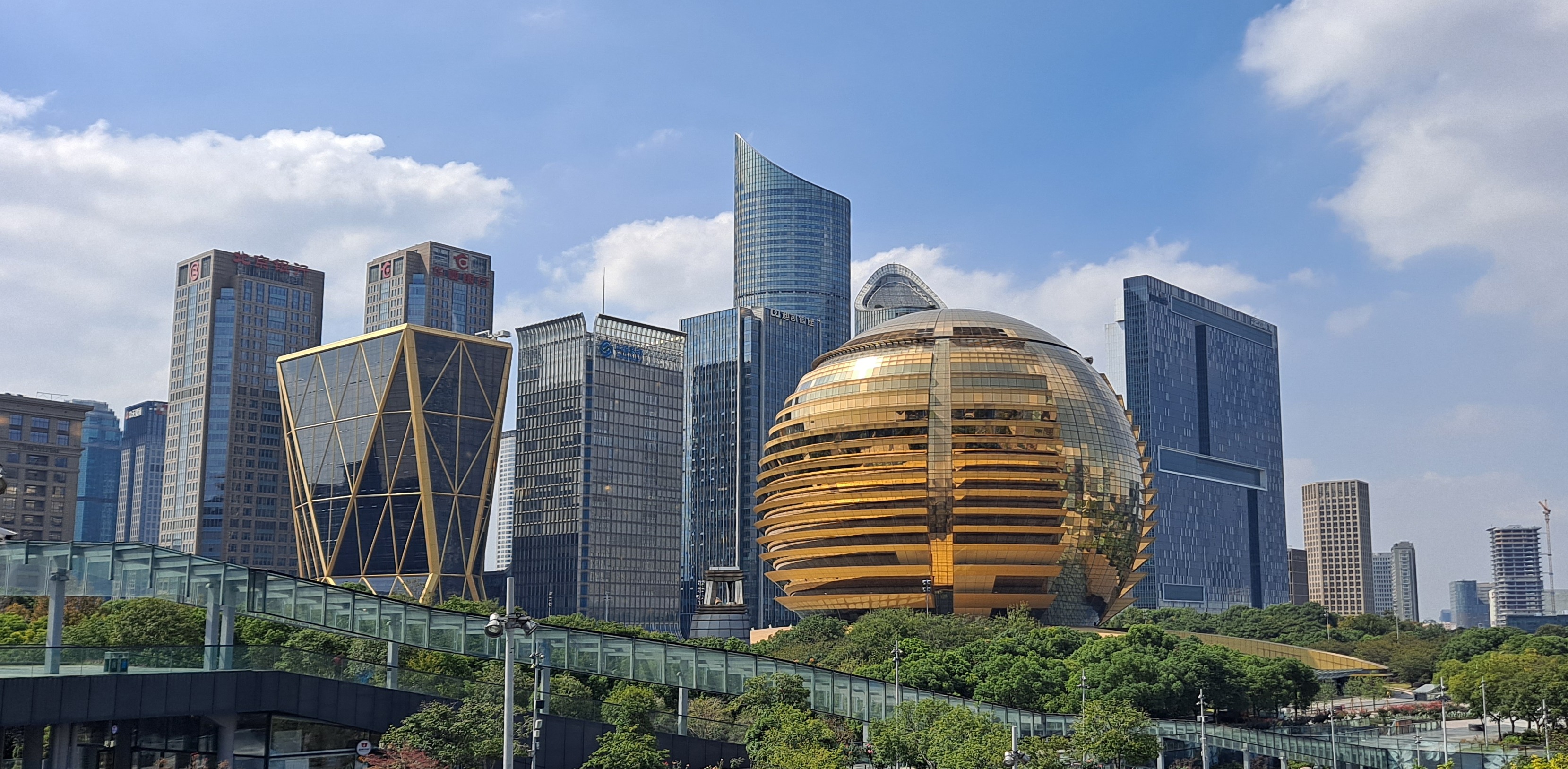
Modern Hangzhou is also a powerhouse of innovation. The city’s “Digital Silk Road” initiative integrates smart‑city technologies—AI‑driven traffic management, ubiquitous 5G coverage, and cloud‑based public services—into everyday life. This blend of heritage and high‑tech makes Hangzhou a living laboratory for sustainable urban development in China and beyond.
History/Background
Hangzhou’s origins trace back to the Qin dynasty (221–206 BC), when it was known as Qiantang and served as a modest riverine settlement. Its strategic location along the Grand Canal, completed during the Sui dynasty (581–618 AD), transformed the city into a commercial nexus linking the Yellow River basin with the Yangtze Delta. The watershed of trade and culture accelerated during the Tang (618–907) and Song (960–1279) periods, when Hangzhou emerged as a bustling port for silk, tea, and ceramics.The watershed of Hangzhou’s fame peaked in 1127, when the Southern Song court fled northward after the Jurchen invasion and established its capital in Hangzhou, renaming it Lin’an. For over a century, Lin’an was the political, economic, and cultural heart of China, rivaling even the historic capitals of Chang’an and Luoyang. The city’s prosperity attracted scholars, artists, and merchants, fostering a golden age of literature, landscape painting, and tea culture—most famously the Longjing (Dragon Well) tea cultivated on the nearby hills.
Following the Mongol conquest in 1276, Hangzhou retained its commercial vitality under Yuan rule, later flourishing again during the Ming (1368–1644) and Qing (1644–1912) dynasties as a hub for maritime trade and silk production. The 20th century saw Hangzhou endure Japanese occupation (1937–1945) and later become a focal point of China’s reform era, culminating in its designation as a National Central City in 2014, reflecting its strategic importance in the nation’s economic and cultural landscape.
Key Information
- Population: ~10.5 million (2023 estimate) within a municipal area of 16,596 km². - Economy: GDP of ¥1.6 trillion (≈ US$250 billion) in 2022, driven by e‑commerce, high‑tech manufacturing, tourism, and traditional industries such as tea and silk. - Education & Research: Home to Zhejiang University, one of China’s C9 League elite institutions, and a cluster of research parks focusing on AI, biotech, and renewable energy. - Transportation: Hangzhou Xiaoshan International Airport connects the city to over 150 global destinations; the Hangzhou Metro (12 lines) and high‑speed rail links to Shanghai (≈ 1 hour) and Nanjing (≈ 2 hours) underscore its connectivity. - Cultural Landmarks: West Lake, Leifeng Pagoda, Lingyin Temple, China National Silk Museum, and the historic Qiantang River tidal bore—the world’s largest tidal bore, attracting spectators each autumn. - Environmental Initiatives: The “Blue‑Green” plan aims to increase urban forest cover to 45 % and achieve carbon neutrality by 2035, leveraging the lake’s natural filtration and extensive bike‑share networks.Significance
Hangzhou’s legacy as one of the Eight Ancient Capitals of China endows it with a cultural gravitas that continues to shape Chinese identity. West Lake’s UNESCO status not only preserves a masterpiece of garden design but also serves as a benchmark for integrating heritage conservation with modern tourism management. Economically, Hangzhou epitomizes China’s transition from manufacturing to a knowledge‑based economy; the city’s thriving digital ecosystem, anchored by Alibaba’s headquarters, has propelled it onto the global stage as a model for e‑commerce and fintech innovation.Environmentally, Hangzhou’s ambitious “Digital Silk Road” and green‑city policies illustrate how historic urban centers can adopt smart‑technology solutions to mitigate climate change, improve air quality, and enhance livability. Socially, the city’s blend of traditional tea ceremonies, classical poetry festivals, and cutting‑edge art districts fosters a vibrant cultural dialogue that attracts scholars, artists, and entrepreneurs worldwide.
In sum, Hangzhou stands as a microcosm of China’s past, present, and future—a city where ancient pagodas cast reflections on a serene lake while autonomous vehicles glide past towering data centers, embodying a harmonious convergence of heritage and innovation.
INFOBOX:
- Name: Hangzhou (杭州市)
- Type: Provincial capital and sub‑provincial city
- Date: Established as capital of Zhejiang Province in 1949 (modern administrative status)
- Location: Eastern China, Zhejiang Province; at the southern terminus of the Grand Canal and the head of Hangzhou Bay
- Known For: West Lake (UNESCO World Heritage), historic capital of the Southern Song, hub of e‑commerce and digital innovation
TAGS: China, Zhejiang, West Lake, Grand Canal, UNESCO, tourism, technology, history


