




**
Overview
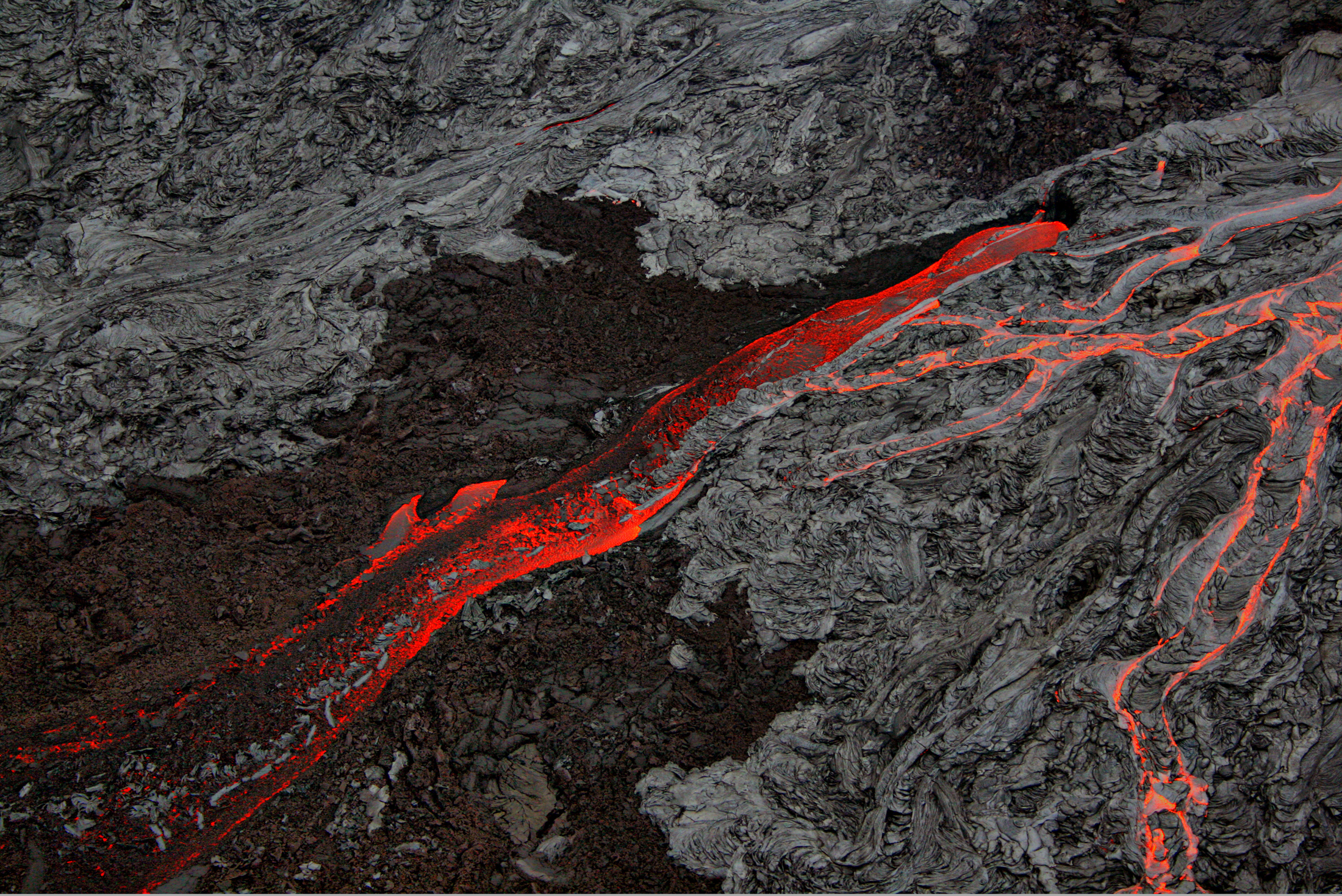
Hawaiʻi Volcanoes National Park, perched on the southeastern flank of the Island of Hawaiʻi, spans roughly 323 sq mi (837 km²) of rugged terrain that includes everything from steaming fissures and lava‑filled tubes to lush rainforests and alpine deserts. At its heart lie Kīlauea, a basaltic shield volcano that has erupted almost continuously since 1983, and Mauna Loa, the world’s largest shield volcano by volume and area, whose last eruption in 2022 reminded visitors that the island is still very much alive. The park’s dramatic landscapes—cratered calderas, black‑sand beaches, and the iconic Chain of Craters Road—draw more than 1.5 million guests each year, all eager to witness the raw power of Earth’s interior and the delicate balance of life that thrives in its shadow.Beyond the visual spectacle, the park serves as a critical research hub. Geologists from the United States Geological Survey (USGS) and universities worldwide monitor magma movement, gas emissions, and seismic activity, generating data that improve volcanic hazard forecasts for the entire Hawaiian archipelago. Simultaneously, the park safeguards endemic flora and fauna, such as the silversword (Argyroxiphium sandwicense) and the Hawaiian hoary bat, whose survival hinges on the unique microclimates created by volcanic soils and elevation gradients.
Culturally, the volcanoes are woven into the spiritual fabric of Native Hawaiian identity. Kīlauea’s summit, Pu‘u ‘Ō‘ō, is considered a sacred place where Pele, the goddess of fire, resides. Ancient chants, petroglyphs, and historic sites like the Kalapana Petroglyph Field echo centuries‑old narratives that view volcanic activity as both a creator and a destroyer. Modern park interpretation programs honor these traditions, offering visitors a holistic view that blends science with indigenous worldview.
History/Background
The volcanic landscape that defines the park began forming over 500,000 years ago as the Pacific Plate moved northwest over the Hawaiian hotspot. Mauna Loa erupted repeatedly, building a massive shield that now rises 13,679 ft (4,170 m) above sea level, while Kīlauea’s summit caldera formed around 1,000 years ago and has since produced more than 60 eruptions.In 1916, the U.S. Congress set aside 37,000 acres as the Hawaii National Park, primarily to protect the volcanic terrain and its scientific value. The park’s boundaries expanded dramatically in 1961, incorporating the Kīlauea Military Reserve and additional lands, bringing the total area to its current size. The National Park Service (NPS) assumed management in 1919, and the park was officially renamed Hawaiʻi Volcanoes National Park in 1969 to reflect its dual‑volcano focus.
Key dates include the 1983–2018 Kīlauea eruption, which produced the famed Devastation Trail and the Halemaʻumaʻu crater’s glowing lake, and the 2022 Mauna Loa eruption, the first in 38 years, which prompted the park’s first modern evacuation of a visitor center. Each event has spurred advances in remote sensing, drone mapping, and community outreach, reinforcing the park’s role as a living classroom.
Key Information
- Location: Island of Hawaiʻi, State of Hawaiʻi, USA (coordinates 19°24′N 155°22′W). - Area: 323 sq mi (837 km²). - Visitation: ~1.5 million annual visitors (pre‑COVID average). - Active Volcanoes: Kīlauea (continuous activity since 1983) and Mauna Loa (last erupted 2022). - Geological Highlights: Pu‘u ‘Ō‘ō vent, Halemaʻumaʻu crater, Thurston Lava Tube, and the 5‑mile‑long Chain of Craters Road. - Ecological Highlights: Silversword, ‘Ōhi‘a lehua, Hawaiian hoary bat, and the endangered Hawaiian goose (nēnē). - Cultural Assets: Pele’s legend sites, ancient petroglyphs, historic Hawaiian homesteads, and the Kīlauea Visitor Center with interpretive exhibits. - Research Facilities: USGS Hawaiian Volcano Observatory (HVO) headquarters, on‑site seismic networks, gas monitoring stations, and the Volcano Art Center for interdisciplinary study.Significance
Hawaiʻi Volcanoes National Park stands at the crossroads of science, conservation, and culture. Its continuous volcanic activity provides unparalleled insight into mantle plume dynamics, crustal formation, and hazard mitigation—knowledge that safeguards millions of Hawaiians living in the shadow of these giants. Ecologically, the park preserves some of the world’s most fragile endemic species, offering a living laboratory for evolutionary biology and climate resilience research.Culturally, the park is a pilgrimage site for Native Hawaiians, reinforcing the spiritual relationship between people and the land (ʻāina). By integrating traditional narratives with modern interpretation, the park fosters a deeper appreciation of how volcanic forces have shaped Hawaiian identity, language, and art.
Economically, the park contributes significantly to the island’s tourism sector, generating jobs and supporting local businesses while promoting sustainable visitation practices. Its educational programs inspire the next generation of geoscientists, ecologists, and cultural stewards, ensuring that the legacy of these volcanoes endures beyond the next eruption.
INFOBOX:
- Name: Hawaiʻi Volcanoes National Park
- Type: United States National Park
- Date: Established 1916 (current boundaries 1961)
- Location: Island of Hawaiʻi, State of Hawaiʻi, USA
- Known For: Protecting Kīlauea and Mauna Loa, the world’s most active and largest shield volcanoes
TAGS: volcanoes, national parks, Hawaii, geology, ecology, indigenous culture, tourism, scientific research


