Overview
The
hedgehog (family
Erinaceidae, subfamily
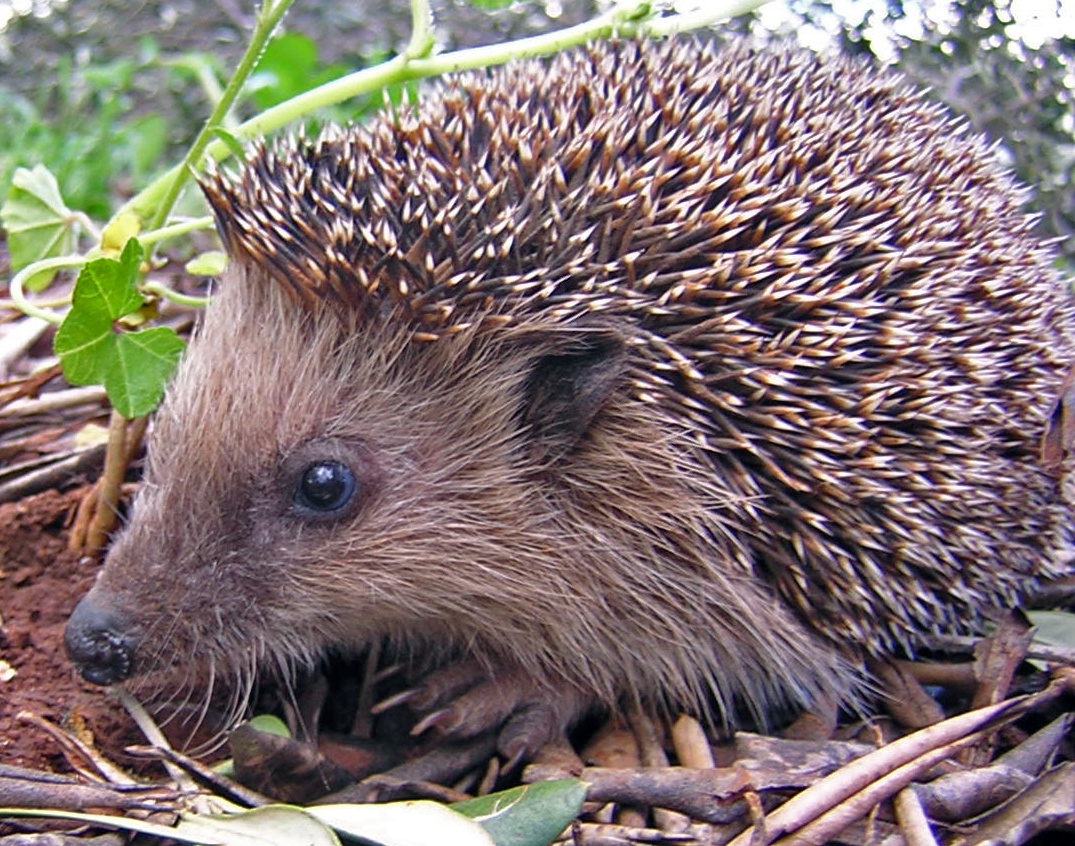
Erinaceinae) is a small, insectivorous mammal distinguished by a coat of sharp keratin spines covering its back. These nocturnal foragers rely on a keen sense of smell and hearing to locate a diet rich in insects, worms, and occasionally fruits and small vertebrates. When threatened, a hedgehog can roll into a tight ball, presenting its spines outward—a classic defense that has fascinated naturalists and inspired folklore across its range.
Seventeen extant species are grouped into five genera: Erinaceus, Atelerix, Hemiechinus, Mesechinus, and Paraechinus. Their habitats span temperate woodlands, Mediterranean scrub, arid deserts, and even high‑altitude grasslands. Although native to Europe, Asia, and Africa, hedgehogs have been introduced to New Zealand, where they have become a controversial invasive species. Notably, no hedgehog species are native to Australia or the Americas; the only North‑American record is the extinct genus Amphechinus, which vanished with the end‑Pleistocene megafaunal turnover.
History/Background
Fossil evidence places the earliest erinaceid ancestors in the early Eocene, roughly 55 million years ago, when primitive, shrew‑like mammals began diversifying across Laurasia. The modern hedgehog lineage emerged in the Miocene, adapting to a range of climatic niches as continents shifted. Human interaction with hedgehogs dates back to antiquity; ancient Greeks and Romans referenced their “spiny” nature in literature, and medieval European bestiaries often depicted them as symbols of protection. The first scientific description was published by Carl Linnaeus in 1758, assigning the species
Erinaceus europaeus a formal binomial name. In the 20th century, hedgehogs entered popular culture through children's books and, more recently, as beloved pets in the United Kingdom, prompting both conservation awareness and welfare debates.
Key Information
-
Taxonomy: Family
Erinaceidae; Subfamily
Erinaceinae; 5 genera, 17 species.
-
Physical traits: 5–30 cm body length; spines up to 3 cm; weight 250 g–1.2 kg; low body temperature (≈34 °C).
-
Diet: Primarily insects (beetles, caterpillars), earthworms, slugs; opportunistic consumption of berries, eggs, and small amphibians.
-
Reproduction: Seasonal breeders; gestation 35–45 days; litters of 3–7 hoglets; rapid juvenile growth with spines developing within weeks.
-
Distribution: Native to Europe, North Africa, the Middle East, Central and South Asia; introduced populations in New Zealand; extinct in North America (genus
Amphechinus).
-
Conservation status: Most species listed as Least Concern by the IUCN, but habitat loss, road mortality, and pesticide exposure threaten local populations, especially the
European hedgehog (
Erinaceus europaeus).
-
Ecological role: Natural pest controllers; their foraging reduces insect outbreaks in gardens and farmlands, supporting organic agriculture.
-
Cultural impact: Featured in folklore, literature, and modern media; emblematic of garden wildlife in the UK, prompting citizen‑science projects like “Hedgehog Street.”
Significance
Hedgehogs serve as
bioindicators of ecosystem health; declines often signal broader environmental pressures such as habitat fragmentation, chemical pollution, and climate change. Their predation on garden pests aligns with sustainable agriculture goals, reducing reliance on synthetic insecticides. Conservation initiatives—habitat corridors, hedgerow restoration, and road‑crossing tunnels—highlight the hedgehog’s role in fostering biodiversity-friendly landscapes. Moreover, the species’ charismatic appeal mobilizes public support for wildlife protection, illustrating how a modest mammal can catalyze community‑level stewardship. In regions where hedgehogs are invasive, such as New Zealand, management efforts underscore the delicate balance between protecting native fauna and respecting cultural affection for the animal.