




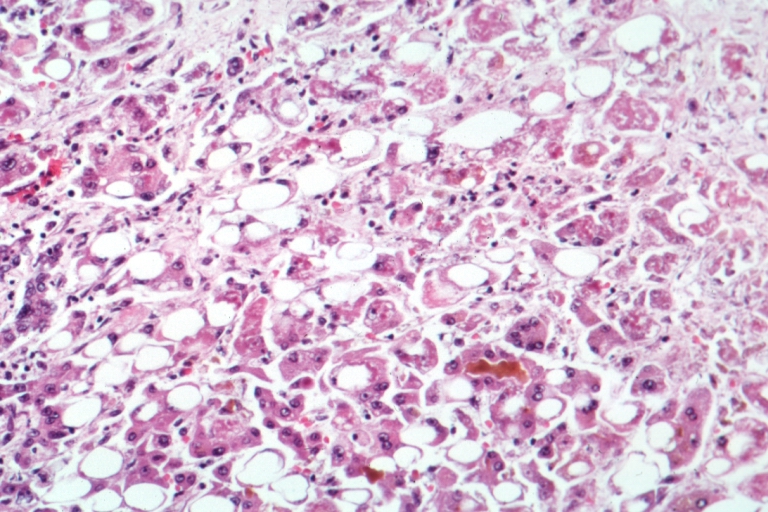
**
Overview
Hepatitis refers to inflammation of liver tissue, a vital organ responsible for metabolism, detoxification, protein synthesis, and bile production. The condition can arise from a wide array of triggers, including infectious agents (most famously hepatitis A‑E viruses), excessive alcohol consumption, certain medications, metabolic diseases such as non‑alcoholic fatty liver disease, and autoimmune processes. While many individuals experience no noticeable symptoms, others develop classic signs such as jaundice (yellowing of the skin and sclerae), loss of appetite, nausea, vomiting, fatigue, right‑upper‑quadrant abdominal pain, and diarrhea. Laboratory testing typically reveals elevated liver enzymes (ALT, AST) and, depending on the cause, specific serologic markers.Hepatitis is classified by duration: acute hepatitis resolves within six months, whereas chronic hepatitis persists beyond that point. Acute disease may clear spontaneously, evolve into a chronic state, or—rarely—progress to acute liver failure, a medical emergency marked by rapid loss of hepatic function, coagulopathy, and encephalopathy. Chronic hepatitis carries a long‑term risk of fibrosis, cirrhosis, hepatic decompensation, and hepatocellular carcinoma (liver cancer). Early detection, appropriate treatment, and lifestyle modifications are essential to prevent these complications. Anyone experiencing persistent jaundice, severe abdominal pain, confusion, or unexplained weight loss should seek professional medical evaluation promptly.
History/Background
The term “hepatitis” entered medical literature in the early 19th century, derived from the Greek hepar (liver) and -itis (inflammation). Early descriptions were vague, often conflating liver inflammation with other abdominal ailments. The first viral cause was identified in 1945 when Dr. Baruch Blumberg discovered the hepatitis B surface antigen, later earning a Nobel Prize. The 1970s saw the isolation of hepatitis A virus (HAV) and the recognition of non‑A, non‑B hepatitis, which was later identified as hepatitis C (HCV) in 1989. Hepatitis D (HDV) and E (HEV) were characterized in the 1980s and 1990s, respectively. Vaccines for HAV and HBV were introduced in the 1990s, dramatically reducing incidence in many countries. In the 21st century, direct‑acting antiviral (DAA) regimens transformed HCV therapy, achieving cure rates above 95 % and reshaping public‑health strategies worldwide.Key Information
- Etiology: Viral (HAV, HBV, HCV, HDV, HEV), alcoholic, drug‑induced (e.g., acetaminophen overdose, isoniazid), autoimmune, metabolic (e.g., Wilson disease, non‑alcoholic steatohepatitis). - Transmission: Fecal‑oral (HAV, HEV), blood‑borne or sexual (HBV, HCV, HDV), vertical (mother‑to‑child), and iatrogenic (contaminated medical equipment). - Diagnosis: Liver function tests, serologic panels (HBsAg, anti‑HBc, anti‑HCV, anti‑HAV IgM/IgG), PCR for viral RNA/DNA, imaging (ultrasound, elastography), and liver biopsy when indicated. - Management: Supportive care for most acute cases; antiviral therapy for HBV (nucleos(t)ide analogues) and HCV (DAAs); immunosuppression for autoimmune hepatitis; cessation of alcohol and hepatotoxic drugs; nutritional support and vaccination (HAV, HBV). - Prevention: Safe injection practices, blood screening, vaccination, hand hygiene, and public education. - Prognosis: Acute viral hepatitis often resolves without sequelae; chronic HBV/HCV can lead to cirrhosis in 20‑30 % of patients over decades; effective antiviral therapy markedly reduces progression risk.Significance
Hepatitis remains a global health priority, accounting for an estimated 1.5 million deaths annually from cirrhosis and liver cancer. The burden is unevenly distributed, with low‑ and middle‑income regions experiencing higher rates of viral hepatitis due to limited vaccination, screening, and treatment infrastructure. The development of HBV vaccines and curative HCV regimens illustrates how scientific advances can translate into massive public‑health gains, underscoring the importance of continued research, equitable access to care, and robust surveillance. Moreover, hepatitis serves as a model for interdisciplinary collaboration among virology, immunology, pharmacology, and health policy, shaping approaches to other chronic infectious diseases.When to Seek Care: If you notice yellowing of the eyes or skin, persistent fatigue, abdominal swelling, dark urine, pale stools, or sudden confusion, contact a healthcare professional immediately. Early evaluation can differentiate benign, self‑limited hepatitis from conditions requiring urgent intervention, such as acute liver failure or rapidly progressive chronic disease.
INFOBOX:
- Name: Hepatitis (Inflammation of the Liver)
- Type: Medical condition / Infectious disease
- Date: First described in the 1800s; modern viral classifications established 1945‑1990
- Location: Worldwide (prevalence varies by region and etiology)
- Known For: Leading cause of chronic liver disease, cirrhosis, and liver cancer; successful vaccine and antiviral breakthroughs
TAGS: liver disease, viral hepatitis, chronic illness, public health, vaccination, antiviral therapy, cirrhosis, hepatocellular carcinoma



