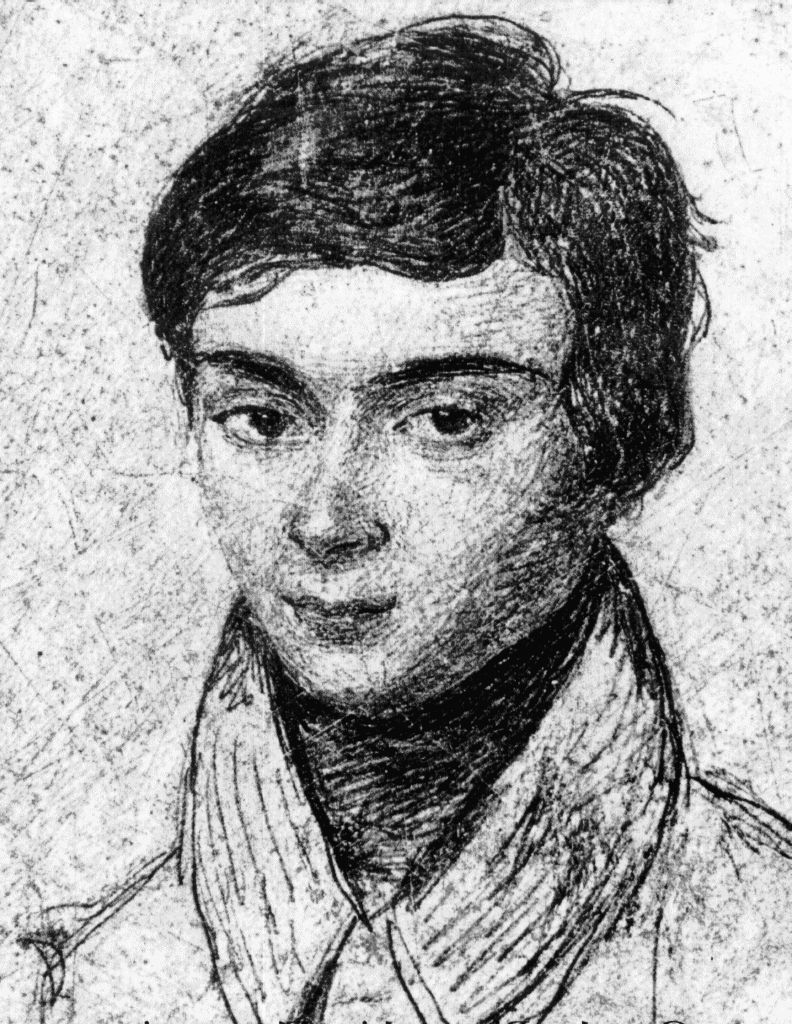

Hilma af Klint
SUMMARY: Hilma af Klint was a Swedish artist and mystic who created a series of abstract paintings that predated the development of Abstract Expressionism, making her a pioneering figure in the history of modern art.
Overview
Hilma af Klint (1862-1944) was a Swedish artist, mystic, and feminist who is widely regarded as one of the most important female artists of the 20th century. Born in Stockholm, Sweden, af Klint was raised in a family of artists and was exposed to art and culture from a young age. She was particularly drawn to the works of the Pre-Raphaelite Brotherhood and the Symbolist movement, which would later influence her own artistic style. Af Klint's artistic career spanned over four decades, during which she created a wide range of works, including paintings, drawings, and watercolors.
Af Klint's artistic style was characterized by her use of bold, vibrant colors and her exploration of abstract forms. Her paintings often featured geometric shapes, spirals, and other symbolic motifs that reflected her interest in mysticism and the occult. Af Klint was also a prolific writer and kept a series of journals and notebooks in which she recorded her thoughts, ideas, and artistic inspirations. Her writing provides valuable insights into her creative process and her artistic philosophy.
History/Background
Af Klint was born on October 26, 1862, in Stockholm, Sweden, to a family of artists and intellectuals. Her father, Alfred af Klint, was a naval officer and a painter, while her mother, Amalia Wretman, was a musician and a composer. Af Klint was the eldest of four children, and her family encouraged her artistic talents from an early age. She began taking art lessons at the age of 20 and went on to study at the Royal Swedish Academy of Fine Arts.
In the early 1900s, af Klint became interested in the Theosophical Society, a spiritual movement founded by Helena Blavatsky and Henry Steel Olcott. The society's emphasis on mysticism, the occult, and Eastern spirituality resonated with af Klint's own interests and artistic style. She became a member of the society and began to explore its teachings in her art and writing.
Key Information
Af Klint's most famous works are a series of 193 abstract paintings known as "The Paintings for the Temple" or "The Ten Large Paintings." These works, created between 1906 and 1915, feature bold, vibrant colors and geometric shapes that reflect af Klint's interest in mysticism and the occult. The paintings are characterized by their use of spirals, circles, and other symbolic motifs that reflect af Klint's fascination with the mysteries of the universe.
Af Klint's artistic style was influenced by a range of sources, including the Pre-Raphaelite Brotherhood, the Symbolist movement, and the works of the German artist, Franz Marc. Her use of abstract forms and bold colors was also influenced by her interest in the Theosophical Society and its teachings on the nature of the universe.
Af Klint's legacy as an artist has only recently been recognized. In 2018, the Moderna Museum in Stockholm, Sweden, held a major retrospective of her work, which helped to establish her as a pioneering figure in the history of modern art. Her paintings are now held in the collections of museums around the world, including the Moderna Museum, the Nationalmuseum in Stockholm, and the Tate Modern in London.
Significance
Af Klint's significance as an artist lies in her pioneering work in the development of abstract art. Her use of bold, vibrant colors and geometric shapes predated the development of Abstract Expressionism, making her a key figure in the history of modern art. Her artistic style was also influenced by her interest in mysticism and the occult, which reflects the broader cultural and intellectual currents of her time.
Af Klint's legacy as a feminist artist is also significant. She was a woman artist working in a male-dominated field, and her work reflects her own experiences and perspectives as a woman. Her art and writing provide valuable insights into the lives and experiences of women artists in the early 20th century.
INFOBOX:
- Name: Hilma af Klint
- Type: Artist
- Date: 1862-1944
- Location: Stockholm, Sweden
- Known For: Pioneering abstract artist and mystic
TAGS: Abstract Art, Feminist Art, Mysticism, Theosophical Society, Swedish Art, Modern Art, Abstract Expressionism, Women Artists