




**
Overview
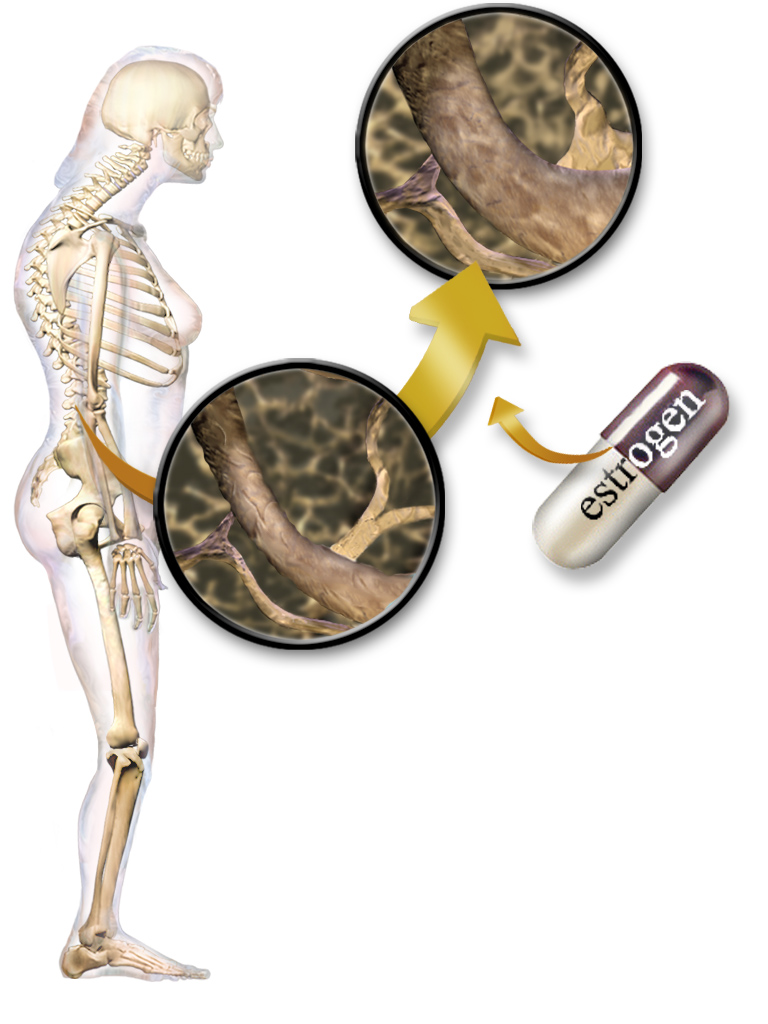
Hormone replacement therapy, often called menopausal hormone therapy or postmenopausal hormone therapy, is prescribed primarily to women experiencing the physiological changes of menopause. During the transition, ovarian production of estradiol and progesterone declines sharply, leading to classic symptoms such as hot flashes, night sweats, vaginal dryness, mood swings, and sleep disturbances. Beyond these acute complaints, chronic estrogen deficiency contributes to bone demineralization, loss of muscle mass, accelerated skin aging, and an increased risk of osteoporosis and cardiovascular disease.HRT can be delivered in several formulations: oral tablets, transdermal patches, gels, vaginal creams or rings, and injectable preparations. The choice of route depends on the patient’s symptom profile, risk factors, and personal preference. For women with an intact uterus, a combined estrogen‑progestogen regimen is typically required to prevent endometrial hyperplasia, whereas women who have undergone hysterectomy may use estrogen alone. While many women experience rapid relief of vasomotor symptoms and improved quality of life, HRT is not a one‑size‑fits‑all solution; individualized assessment of benefits versus risks is essential. If you are considering HRT, consult a qualified health professional to evaluate your personal health history and discuss monitoring plans.
History/Background
The concept of replacing lost hormones dates back to the early 20th century, when researchers first isolated estrone from pregnant mares’ urine. In 1935, the first synthetic estrogen, diethylstilbestrol (DES), entered clinical use, albeit later recognized for serious adverse effects. The modern era of HRT began in the 1940s with the introduction of conjugated equine estrogens (Premarin) and medroxyprogesterone acetate, which quickly became standard therapy for menopausal women.A pivotal moment arrived in 1991 when the Women’s Health Initiative (WHI) launched a large, randomized trial to assess the long‑term safety of combined estrogen‑progestogen therapy. Early results, published in 2002, reported increased risks of breast cancer, stroke, and venous thromboembolism, prompting a dramatic decline in HRT prescriptions and a re‑evaluation of clinical guidelines. Subsequent analyses identified that age, time since menopause onset, and formulation (e.g., transdermal vs. oral) modify risk, leading to more nuanced recommendations that favor low‑dose, short‑term use for symptomatic relief in younger postmenopausal women.
Key Information
- Indications: Relief of moderate‑to‑severe vasomotor symptoms, prevention of postmenopausal osteoporosis, treatment of urogenital atrophy, and, in selected cases, mitigation of mood or sleep disturbances. - Formulations: - Systemic: oral tablets (e.g., estradiol, conjugated estrogens), transdermal patches/gels, intramuscular injections. - Local: vaginal creams, tablets, or rings delivering low‑dose estrogen directly to the genital tract. - Risk factors: personal or family history of breast cancer, thromboembolic disease, uncontrolled hypertension, liver disease, or active gallbladder disease. - Monitoring: Baseline pelvic exam, mammography, lipid profile, and blood pressure; follow‑up visits every 6–12 months to reassess symptom control and adverse effects. - Duration: Current guidelines suggest using the lowest effective dose for the shortest period necessary, typically 3–5 years, though some women may continue longer under close supervision. - Alternatives: Non‑hormonal pharmacologic agents (e.g., selective serotonin reuptake inhibitors, gabapentin), lifestyle modifications (weight control, smoking cessation, regular exercise), and complementary therapies.Significance
HRT remains a cornerstone of women’s health because it directly addresses the abrupt hormonal vacuum that characterizes menopause, a natural yet potentially debilitating life stage. By restoring estrogenic activity, HRT can dramatically improve quality of life, reduce fracture incidence, and maintain genitourinary health. Moreover, the evolution of HRT—shaped by rigorous research, public health scrutiny, and patient advocacy—has advanced our broader understanding of hormone biology, risk stratification, and personalized medicine. The ongoing refinement of formulations (e.g., bioidentical hormones, tissue‑selective estrogen complexes) promises to enhance safety while preserving therapeutic benefit, underscoring the importance of continued research and patient‑centered care.Professional Guidance: Hormone replacement therapy should never be initiated without a thorough evaluation by a qualified health professional. Women with complex medical histories or those taking certain medications may require alternative strategies. Always discuss potential benefits, risks, and monitoring plans with your clinician before starting or stopping HRT.
INFOBOX:
- Name: Hormone Replacement Therapy (Menopausal Hormone Therapy)
- Type: Medical treatment / pharmacotherapy
- Date: First widely used in the 1940s; modern evidence base shaped by 1991–2002 Women’s Health Initiative
- Location: Global (standard of care in most high‑income countries)
- Known For: Alleviating menopausal symptoms and reducing osteoporosis risk while balancing cardiovascular and cancer safety concerns
TAGS: menopause, hormone therapy, estrogen, progesterone, women's health, osteoporosis, vasomotor symptoms, clinical guidelines



