




**
Overview
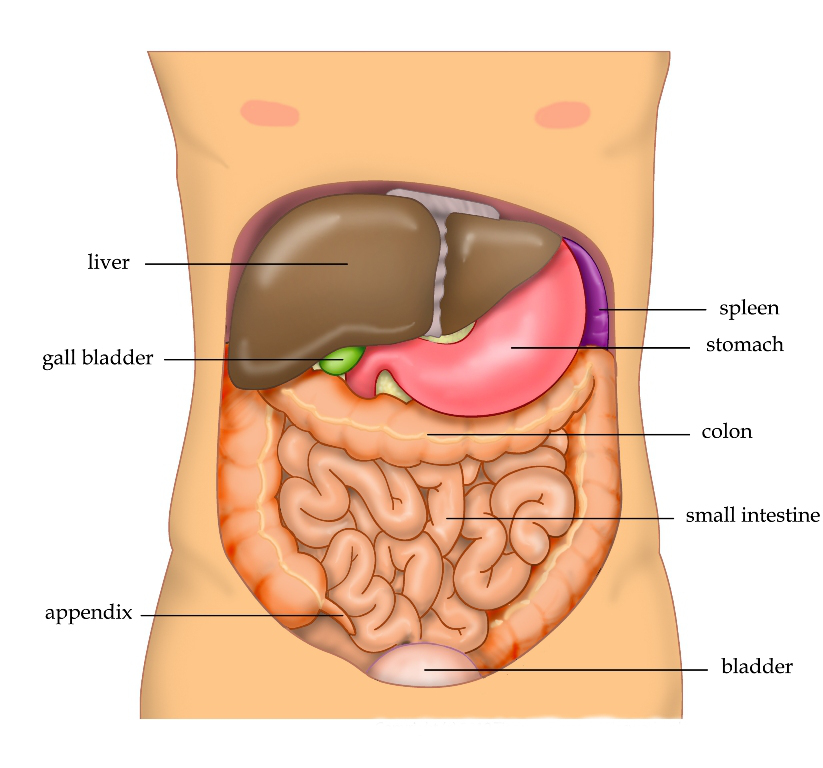
The liver, the body’s largest internal organ, sits in the right upper quadrant of the abdomen, tucked beneath the diaphragm and largely shielded by the lower ribs. Weighing about 1.4 kg in adults, it is reddish‑brown, soft, and highly vascular, receiving roughly 25 % of the cardiac output through the hepatic artery and portal vein. Its unique dual blood supply enables rapid processing of nutrients absorbed from the gastrointestinal tract and the delivery of oxygen‑rich blood for metabolic reactions.Functionally, the liver is a metabolic powerhouse. It regulates blood glucose by converting excess glucose to glycogen (glycogenesis) and breaking glycogen back to glucose (glycogenolysis) when energy is needed. It synthesizes most plasma proteins—including albumin, clotting factors, and transport proteins—while also producing bile, a detergent that emulsifies dietary fats for absorption. In addition, the liver detoxifies endogenous and exogenous substances: it converts ammonia from amino‑acid catabolism into urea for safe excretion, metabolizes drugs via cytochrome P450 enzymes, and clears bilirubin, a breakdown product of hemoglobin. When the organ is compromised, these processes falter, leading to clinical signs such as jaundice, coagulopathy, or hypoglycemia. If you notice persistent abdominal pain, yellowing of the skin or eyes, unexplained fatigue, or changes in urine or stool color, seek professional medical evaluation promptly.
History/Background
The liver’s evolutionary roots trace back over 500 million years to early vertebrates, where it first emerged as a central hub for nutrient processing and waste removal. In ancient Greek medicine, the organ was recognized for its “blood‑purifying” role; the term hepar (ἥπαρ) gave rise to modern prefixes like hepat- (e.g., hepatology, hepatitis). The 19th century marked a turning point: Claude Bernard’s experiments on glycogen storage and Carl von Meyer's description of hepatic circulation laid the groundwork for modern hepatic physiology. The discovery of the portal vein system in the 1860s clarified how the gut‑liver axis operates, while the 20th century saw the identification of liver‑specific enzymes (e.g., transaminases) that became clinical biomarkers. The advent of liver transplantation in the 1960s, pioneered by Thomas Starzl, transformed a once‑fatal organ failure into a treatable condition, cementing the liver’s central place in both basic science and clinical medicine.Key Information
- Anatomy: The liver is divided into right and left lobes, further segmented into eight functional segments based on vascular and biliary architecture (Couinaud classification). - Blood Supply: 70 % of inflow arrives via the portal vein (nutrient‑rich, low‑oxygen blood), 30 % via the hepatic artery (oxygen‑rich). Blood exits through the hepatic veins into the inferior vena cava. - Metabolic Roles: - Carbohydrate metabolism: glycogenesis, glycogenolysis, gluconeogenesis. - Lipid metabolism: synthesis of cholesterol, triglycerides, and lipoproteins; β‑oxidation of fatty acids. - Protein metabolism: synthesis of albumin, clotting factors (II, VII, IX, X), and acute‑phase proteins; deamination of amino acids and urea cycle. - Detoxification: Cytochrome P450 enzymes oxidize drugs, toxins, and hormones; conjugation reactions (glucuronidation, sulfation) increase water solubility for excretion. - Bile Production: Approximately 600–1000 mL of bile daily, stored in the gallbladder, essential for fat emulsification and absorption of fat‑soluble vitamins (A, D, E, K). - Immunologic Function: Houses Kupffer cells (resident macrophages) that phagocytose bacteria, senescent red blood cells, and debris, linking innate immunity to systemic health. - Regeneration: The liver can restore up to 70 % of its mass within weeks after partial hepatectomy, a unique capacity among solid organs.Significance
The liver’s integrative role makes it indispensable for survival. Its ability to balance glucose, lipids, and proteins underpins energy homeostasis, while its detoxifying capacity protects the body from metabolic poisons and pharmacologic overload. Clinically, liver disease—ranging from viral hepatitis and alcoholic liver disease to non‑alcoholic fatty liver disease (NAFLD) and hepatocellular carcinoma—represents a leading cause of morbidity worldwide. Understanding hepatic physiology informs drug dosing, nutritional recommendations, and the management of systemic illnesses such as diabetes and coagulopathies. Moreover, the organ’s regenerative prowess inspires regenerative medicine research, including stem‑cell therapies and bioengineered liver scaffolds. In public health, promoting liver health through vaccination (e.g., hepatitis B), moderation of alcohol, and lifestyle interventions can dramatically reduce the global disease burden.INFOBOX:
- Name: Human Liver
- Type: Vital organ (metabolic, exocrine, endocrine)
- Date: Evolved in early vertebrates (~500 million years ago)
- Location: Right upper quadrant of the abdomen, beneath the diaphragm, protected by the lower right rib cage
- Known For: Central hub of metabolism, detoxification, protein synthesis, and bile production
TAGS: liver, hepatology, metabolism, detoxification, anatomy, physiology, disease, nutrition



