




Overview
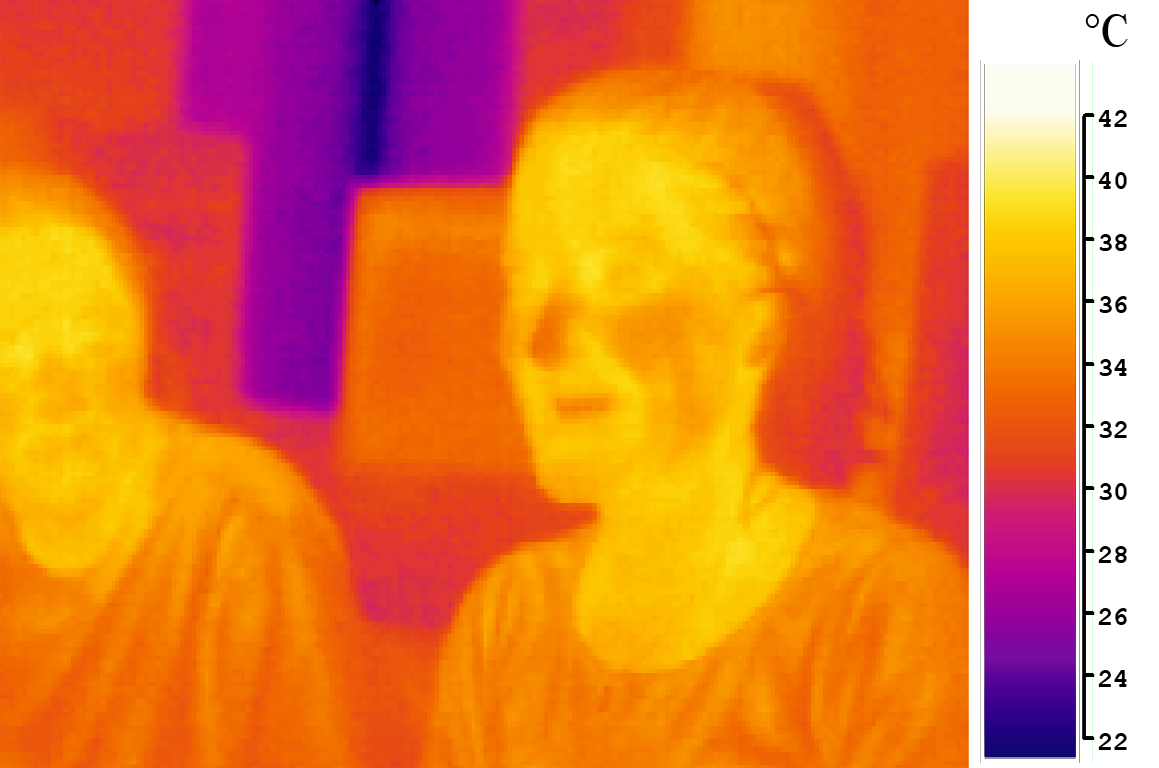
Infrared (IR) radiation occupies a unique position in the electromagnetic spectrum, bridging the gap between visible light and microwaves. With wavelengths ranging from approximately 780 nanometers (nm) to 1 millimeter (mm), IR is invisible to the human eye but detectable as heat. This spectral band is divided into near-infrared (NIR), mid-infrared (MIR), and far-infrared (FIR) regions, each with distinct applications. Near-infrared, closest to visible light, is prevalent in solar radiation and optical communications, while far-infrared, or thermal infrared, dominates emissions from objects at room temperature. IR’s dual nature—as both a wave and a particle (photon)—enables it to carry energy, exert radiation pressure, and interact with matter in ways that underpin technologies from night-vision goggles to climate monitoring.History/Background
Infrared radiation was discovered in 1800 by Sir William Herschel, a German-British astronomer, during experiments measuring the temperature of sunlight across the visible spectrum. Using a prism to separate sunlight into colors, Herschel noticed that the thermometer placed just beyond the red end of the spectrum registered higher temperatures, indicating unseen radiation. This groundbreaking discovery revealed that visible light constitutes only a fraction of the electromagnetic spectrum. The term “infrared” was later coined in the 19th century, derived from the Latin infra (below) and red.The 20th century saw rapid advancements in IR technology. During World War II, IR was harnessed for thermal imaging and guided missiles. The development of infrared cameras in the 1960s enabled non-contact temperature measurement, revolutionizing industries from medicine to materials science. Today, IR astronomy, using space-based telescopes like the James Webb Space Telescope, allows scientists to peer through cosmic dust clouds and observe the early universe.




