




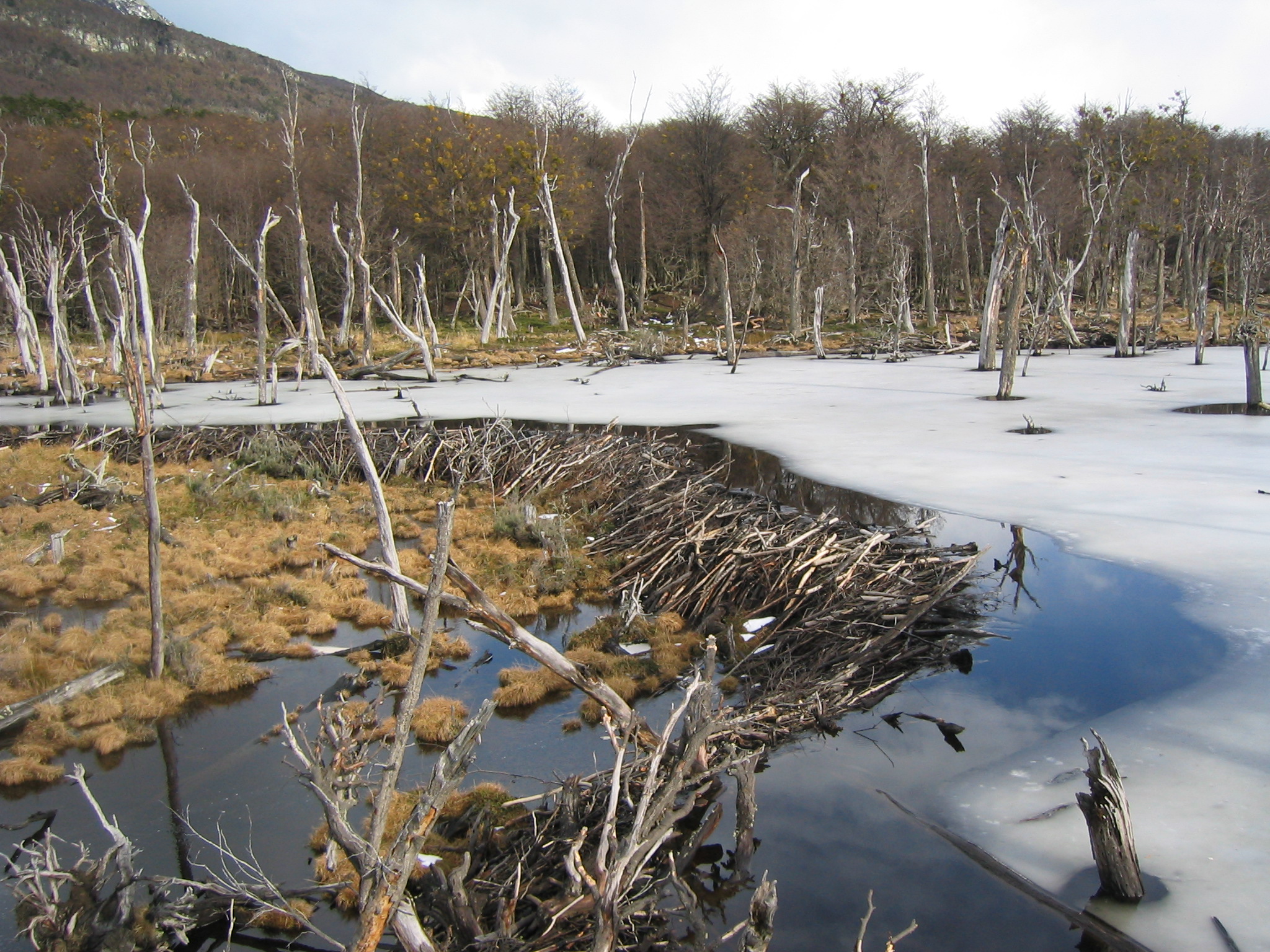
Overview
Invasive species are non‑indigenous organisms—plants, animals, fungi, or microbes—that become established outside their native range and proliferate to the detriment of local ecosystems. Unlike benign introduced species, invasives outcompete native flora and fauna, alter nutrient cycles, and can trigger cascading trophic effects that reshape entire bioregions. Their impacts are felt in forests, grasslands, freshwater systems, and marine habitats, where they may reduce biodiversity, degrade habitat quality, and increase the vulnerability of native species to disease and climate stress.The economic dimension of invasions is equally stark. Agricultural producers lose billions each year to crop‑raiding pests, livestock parasites, and weed competition. Infrastructure suffers from biofouling organisms that clog water intake pipes, corrode ship hulls, and impair hydroelectric turbines. Public health can also be compromised; some invasive mosquitoes transmit diseases such as dengue, Zika, and West Nile virus. Because invasions often intersect with trade, travel, and climate change, they have become a global environmental security issue in the 21st century.
History/Background
The phenomenon of biological invasions predates modern science, but systematic documentation began in the late 19th and early 20th centuries as European colonization and industrialization accelerated species translocations. The European rabbit (Oryctolagus cuniculus), introduced to Australia in 1859, became a textbook example of unchecked population growth and landscape degradation. In the United States, the brown tree snake (Boiga irregularis) arrived in Guam after World War II, decimating native bird populations and causing costly power outages.Key milestones include the 1950s–1960s rise of ecological invasion biology as a distinct discipline, the 1992 Convention on Biological Diversity (CBD) which first recognized invasive species as a threat to biodiversity, and the 2000 Global Invasive Species Programme (GISP) that coordinated international response strategies. The 21st century has seen a surge in invasive species reports, driven by expanding global trade, the pet and horticultural markets, and climate‑induced range shifts. By 2020, the International Union for Conservation of Nature (IUCN) listed over 5,000 invasive species of concern worldwide.
Key Information
- Pathways of introduction: shipping ballast water, horticultural imports, pet releases, accidental transport in cargo, and intentional releases for biocontrol or sport. - Traits of successful invaders: high reproductive rate, broad diet, tolerance of varied environmental conditions, and ability to disperse rapidly. - Economic cost: The United Nations estimates that invasive species cost the global economy $1.4 trillion annually in damages and management. In the United States alone, annual losses exceed $120 billion. - Ecological impacts: Reduction of native species richness by up to 50 % in heavily invaded sites; alteration of fire regimes (e.g., invasive cheatgrass in the western U.S. increases fire frequency); and disruption of pollination networks. - Management strategies: Prevention (border inspections, public education), early detection and rapid response (EDRR), mechanical removal, chemical control, biological control agents, and restoration of native communities. - Success stories: Eradication of the Mediterranean fruit fly from parts of California using sterile‑male releases; containment of the Asian long‑horned beetle in several U.S. cities through coordinated tree removal and public reporting.Significance
Understanding invasive species is essential for safeguarding biodiversity, food security, and economic stability. Invasives act as sentinels of global connectivity, revealing how human movement reshapes ecological boundaries. Their management forces collaboration across government agencies, NGOs, scientists, and local communities, fostering interdisciplinary approaches that can be applied to other environmental challenges such as climate adaptation. Moreover, invasive species illustrate the principle of ecological resilience: ecosystems with high native diversity and intact functional groups are better able to resist or recover from invasions. Protecting and restoring these resilient systems is a cornerstone of modern conservation policy.The legacy of invasive species is a cautionary tale about the unintended consequences of human progress. As trade volumes rise and climate zones shift, the window for effective prevention narrows, making early detection, robust biosecurity, and public awareness more critical than ever. By integrating science, policy, and community action, societies can mitigate the damage and preserve the natural tapestry that sustains life on Earth.


