




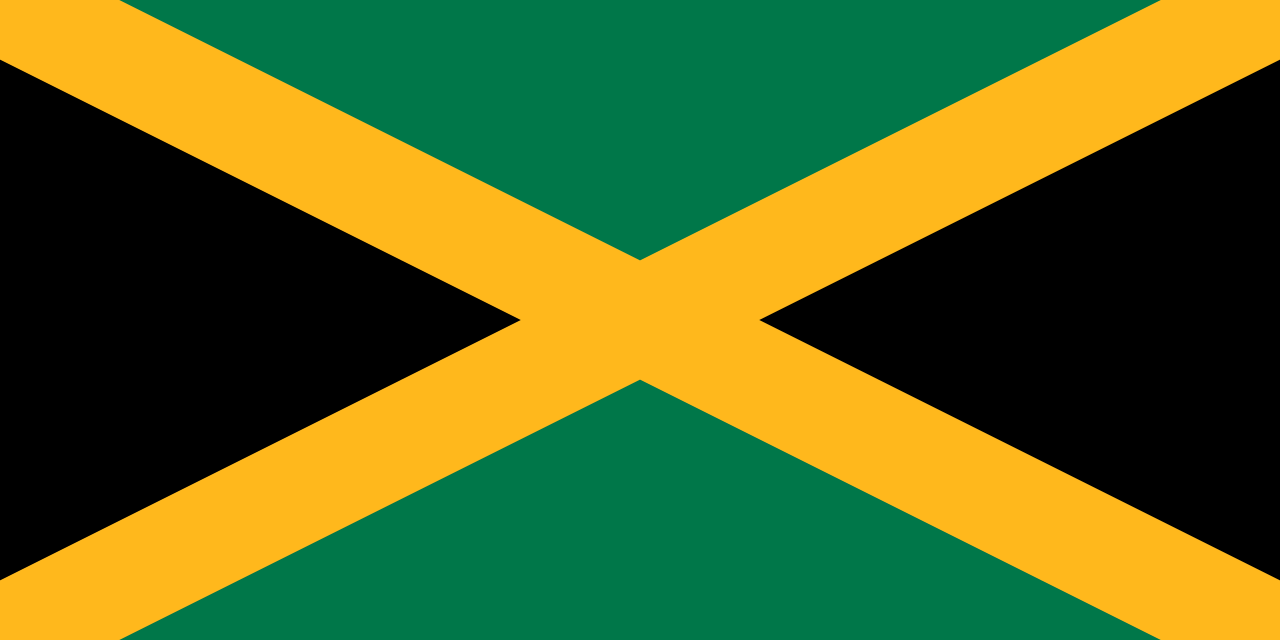
**
Overview
Jamaica, an island country spanning 10,990 km² (4,240 sq mi), sits in the heart of the Caribbean Sea, roughly 145 km south of Cuba, 191 km west of Hispaniola, and 215 km southeast of the Cayman Islands. As the third‑largest island in the Greater Antilles—after Cuba and Hispaniola—it boasts a dramatic topography that ranges from sun‑kissed beaches and turquoise lagoons to mist‑shrouded mountains, most notably the Blue Mountains, where world‑famous coffee is cultivated.Home to approximately 2.8 million people, Jamaica ranks as the third most populous Anglophone nation in the Americas and the fourth most populous country in the Caribbean. Its capital, Kingston, serves as the political, economic, and cultural hub, while other key urban centers such as Montego Bay, Ocho Rios, and Negril draw millions of tourists each year. English is the official language, but Jamaican Patois, a Creole blend of English, West African languages, and Spanish, pulses through everyday conversation, music, and literature.
History/Background
The island’s recorded history begins with the Arawak and Taino peoples, who arrived around 650 AD, naming the island “Xaymaca”—“land of wood and water.” In 1494, Christopher Columbus sighted Jamaica on his second voyage, and the Spanish claimed it, establishing the first European settlement at Seville in 1509. Spanish rule introduced sugarcane, enslaved African labor, and a brutal plantation economy that reshaped the demographic landscape.In 1655, British forces seized the island, and Jamaica became a cornerstone of the British Empire’s sugar‑and‑slavery system. The 18th century saw the rise of runaway slave communities—the Maroons—who negotiated treaties with the Crown after fierce resistance. The Abolition of Slavery in 1834 and the subsequent Emancipation in 1838 sparked a cultural renaissance, laying the groundwork for the island’s distinctive music, language, and folklore.
Jamaica’s modern political journey began with the Moyne Commission (1938–1945), which highlighted social inequities and spurred labor activism. The People’s National Party (PNP) and the Jamaica Labour Party (JLP) emerged as the two dominant political forces. On August 6, 1962, Jamaica achieved full independence from the United Kingdom, joining the Commonwealth of Nations while retaining the British monarch as head of state—a status it held until becoming a republic in 2023.
Key Information
- Area: 10,990 km² (4,240 sq mi) - Population: ~2.8 million (2023 estimate) - Capital & Largest City: Kingston (population ~670,000) - Official Language: English; widely spoken Jamaican Patois - Government: Parliamentary democracy; Prime Minister is head of government. - Economy: Diversified; major sectors include tourism, agriculture (coffee, bananas, sugar), mining (bauxite and alumina), and remittances from the diaspora. - Currency: Jamaican dollar (JMD) - Cultural exports: Reggae (Bob Marley, Peter Tosh), dancehall, ska, and rocksteady; world‑class athletes like sprinter Usain Bolt; literary figures such as Claude McKay and Marlon James. - UNESCO World Heritage Sites: Blue and John Crow Mountains National Park (cultural landscape) and Historic Town of Port Royal (underwater archaeological site).Significance
Jamaica’s impact extends far beyond its modest size. Musically, the island birthed reggae, a genre that became a vehicle for social commentary, spiritual expression, and global solidarity, earning Bob Marley a posthumous UNESCO “Messenger of Peace” designation. The Marley Museum and annual Reggae Sumfest attract scholars and fans worldwide, reinforcing Jamaica’s role as a cultural beacon.In sport, Jamaica’s sprinting dynasty—highlighted by Usain Bolt, Shelly‑Ann Fraser‑Pryce, and Elaine Thompson‑Herah—has redefined athletic excellence, inspiring a generation of Caribbean and African athletes. Economically, the island’s bauxite mining once supplied over a third of the world’s aluminum, while its coffee (Blue Mountain) remains a premium global commodity.
Socially, Jamaica’s diaspora, estimated at over 3 million, forms vibrant communities in the United Kingdom, United States, Canada, and beyond, influencing politics, cuisine, and popular culture in host nations. The island’s ongoing transition to a republic in 2023 underscores a broader Caribbean trend toward constitutional self‑determination, while its commitment to renewable energy—targeting 50 % electricity from wind and solar by 2030—positions it as a regional leader in climate resilience.
INFOBOX:
- Name: Jamaica
- Type: Sovereign island nation
- Date: Independence – 6 August 1962 (Republic – 6 July 2023)
- Location: Caribbean Sea, Greater Antilles
- Known For: Reggae music, Blue Mountain coffee, world‑class sprinters, vibrant cultural diaspora
TAGS: Caribbean, Island nation, Reggae, Bauxite, Tourism, Colonial history, Independence, Cultural diaspora


