




**
Overview
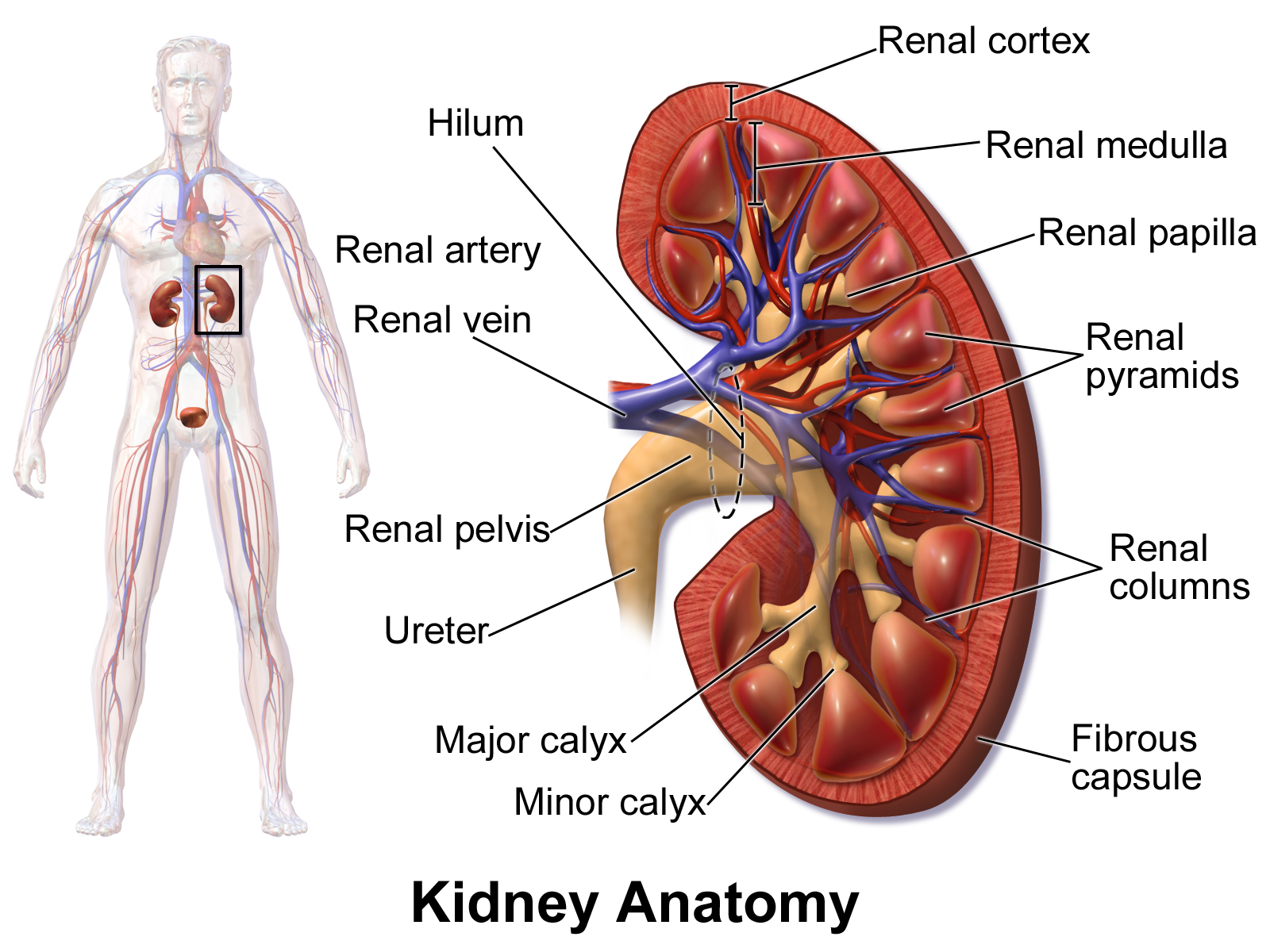
In humans, the kidneys are two reddish‑brown, bean‑shaped organs that sit deep in the retroperitoneal space—the area behind the abdominal cavity. Each kidney measures roughly 12 centimetres in length, a size that allows them to house millions of microscopic filtering units called nephrons. Blood enters each kidney through a renal artery, is cleansed of waste and excess substances, and then exits via a renal vein. The cleaned fluid, now called urine, travels down a ureter to the bladder for eventual excretion.
Although they appear smooth on the outside, kidneys are internally multilobar and multipapillary, meaning they contain multiple lobes and papillae that channel urine into the collecting system. This intricate architecture maximizes surface area for filtration while protecting delicate structures from damage. The kidneys perform three core functions: excretory (removing metabolic waste), regulatory (balancing electrolytes, blood pressure, and pH), and endocrine (producing hormones such as erythropoietin and renin). Their continuous work keeps the internal environment stable—a concept physiologists call homeostasis.
Because each kidney is paired with a dedicated ureter, the urinary system operates like a dual‑pipeline, providing redundancy: a person can survive with a single healthy kidney, but loss of both leads rapidly to life‑threatening accumulation of toxins. Understanding kidney anatomy and physiology is therefore central to diagnosing and treating a wide range of conditions, from acute infections to chronic kidney disease.
Background & Origins
The kidney as an organ has existed throughout vertebrate evolution, adapting to diverse habitats from deep‑sea fish to desert mammals. Early anatomical studies date back to ancient Egyptian papyri, where physicians noted the organ’s reddish hue and its role in urine formation. Over centuries, scholars refined the description of the kidney’s shape, blood supply, and internal compartments, culminating in the modern view of the multilobar, multipapillary structure seen today.
Major Achievements & Milestones
Anatomical Clarification (N/A): Early anatomists identified the kidney’s bean shape and its paired arterial and venous connections, establishing the foundation for modern renal anatomy.
Physiological Insight (N/A): The discovery that kidneys regulate blood pressure through the renin‑angiotensin system highlighted their endocrine function beyond mere filtration.
Clinical Innovation (N/A): Development of dialysis and transplantation techniques transformed end‑stage renal failure from a fatal diagnosis into a manageable chronic condition.
Timeline
- N/A: First recorded observations of kidney structure in ancient medical texts.
- N/A: Detailed description of renal blood flow and ureteric connection.
- N/A: Identification of the nephron as the functional unit of filtration.
- N/A: Introduction of renal replacement therapies (dialysis, transplantation).
Impact & Legacy
The kidney’s ability to filter 180 litres of plasma daily while retaining essential proteins and electrolytes underscores its unparalleled efficiency. Its endocrine output—erythropoietin stimulates red blood cell production, while renin initiates blood‑pressure regulation—means the organ influences virtually every organ system. Clinically, kidney health is a barometer of overall wellness; routine blood tests for creatinine and urea provide early warnings of systemic disease. Moreover, the cultural perception of kidneys as “filters of life” appears in literature, art, and folklore, reinforcing their symbolic importance.
Records & Notable Facts
- The human kidney contains ≈1 million nephrons per organ, each acting as a microscopic filtration cup.
- Despite their modest size, kidneys receive ≈20 % of cardiac output, underscoring their metabolic priority.
- A single kidney can compensate for the loss of its partner, maintaining near‑normal filtration rates.
> “The kidney is the body’s natural filter, tirelessly purifying blood to keep us alive.”
INFOBOX:
- Full Name: Human Kidney (paired)
- Born: N/A
- Died: N/A
- Age: N/A
- Nationality: N/A (organ)
- Occupation: Blood‑filtering organ, endocrine gland, fluid‑balance regulator
- Active Years: Lifelong (from fetal development to death)
- Known For: Filtration of blood, production of erythropoietin and renin
- Awards: N/A
- Spouse: Ureter (paired)
- Children: N/A
- Height: N/A
- Net Worth: N/A
- World Records: N/A
- Championships: N/A
FACTS:
- Birth Date: N/A (type: date)
- Birth Place: N/A (type: location)
- Death Date: N/A (type: date)
- Career Start: Embryonic week 5 (type: year)
- Peak Achievement: Maintaining homeostasis throughout life (type: achievement)
- Career Earnings: N/A (type: statistic)
- World Record: Filtering ~180 L of plasma per day (type: record)
- Famous Quote: “The kidney is the body’s natural filter, tirelessly purifying blood to keep us alive.” (type: quote)
- Fun Fact: Each kidney receives about 1 litre of blood per second. (type: trivia)
- Legacy Stat: ≈20 % of cardiac output dedicated to renal perfusion (type: statistic)
TAGS: kidney, renal anatomy, nephrology, urinary system, physiology, homeostasis, organ function, medical education
This article is for educational purposes only. For personal health concerns, always consult a qualified healthcare professional.



