




Overview
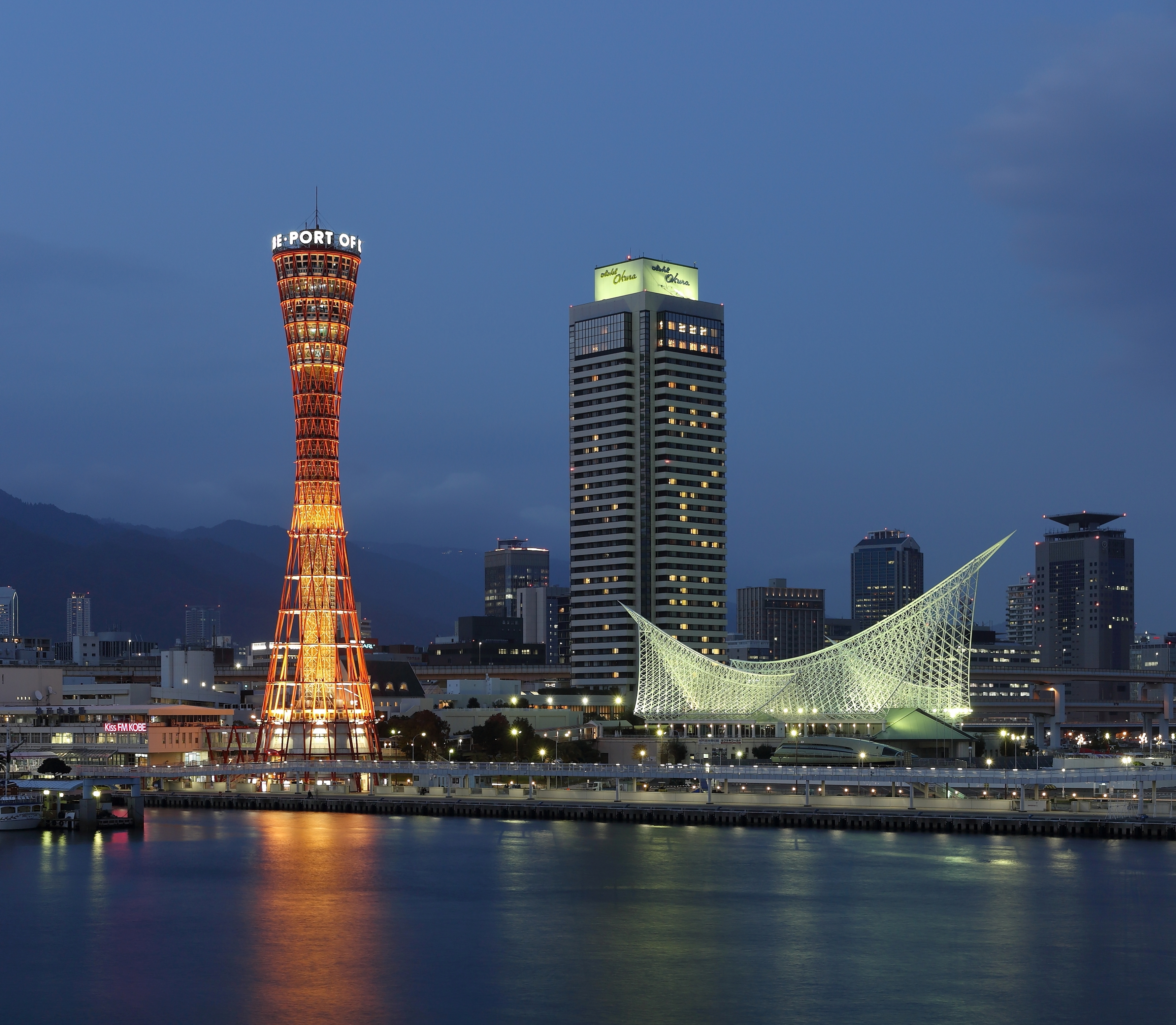
Nestled on the northern edge of Osaka Bay, Kobe (神戸市, Kobe‑shi) serves as the capital of Hyōgo Prefecture and a pivotal node in the Keihanshin metropolitan triangle that includes Osaka and Kyoto. With a population hovering around 1.5 million, it ranks as Japan’s seventh‑largest city and the nation’s third‑largest seaport after Tokyo and Yokohama. The city’s topography is a striking blend of urban high‑rises, gently rolling hills, and a glittering waterfront that frames the iconic Kobe Port Tower. This juxtaposition of mountain and sea has earned Kobe the nickname “City of Mountains and Sea,” a moniker that captures both its natural beauty and its role as a gateway for international trade.Kobe’s cultural tapestry is as diverse as its landscape. The city is celebrated worldwide for its premium Kobe beef, a marbled delicacy that epitomizes Japanese culinary craftsmanship. Its neighborhoods—such as the historic Kitano district with its Western‑style “Ijinkan” houses, the bustling Chinatown (Nankin‑machi), and the fashionable Sannomiya shopping hub—offer a kaleidoscope of experiences that reflect centuries of foreign influence and domestic innovation. Modern Kobe also boasts a thriving arts scene, from the contemporary exhibitions at the Hyogo Prefectural Museum of Art to the annual Kobe Jazz Street festival that draws musicians from across the globe.
History/Background
Kobe’s origins trace back to the early 8th century when it functioned as a modest fishing village known as “Nada.” Its strategic position on Osaka Bay, however, soon attracted the attention of the Tokugawa shogunate, which designated the area as a port for foreign vessels in the mid‑19th century. The pivotal moment arrived in 1868 with the opening of the Port of Kobe under the Meiji Restoration, transforming the city into one of Japan’s first internationally oriented trade hubs. The influx of foreign merchants and diplomats led to the establishment of the foreign settlement in the Kitano area, where Western architecture still stands as a living museum.The early 20th century saw Kobe evolve into an industrial powerhouse, especially in shipbuilding, steel, and textile manufacturing. World War II inflicted heavy damage, but the city rebounded swiftly during the post‑war economic miracle, leveraging its port facilities to become a conduit for Japan’s export‑driven growth. On January 17, 1995, Kobe was struck by the Great Hanshin earthquake, a magnitude 6.9 tremor that claimed over 6,000 lives and devastated much of the urban fabric. The disaster spurred a remarkable reconstruction effort, embedding seismic resilience into the city’s architecture and urban planning—a legacy that continues to influence disaster‑preparedness worldwide.


