




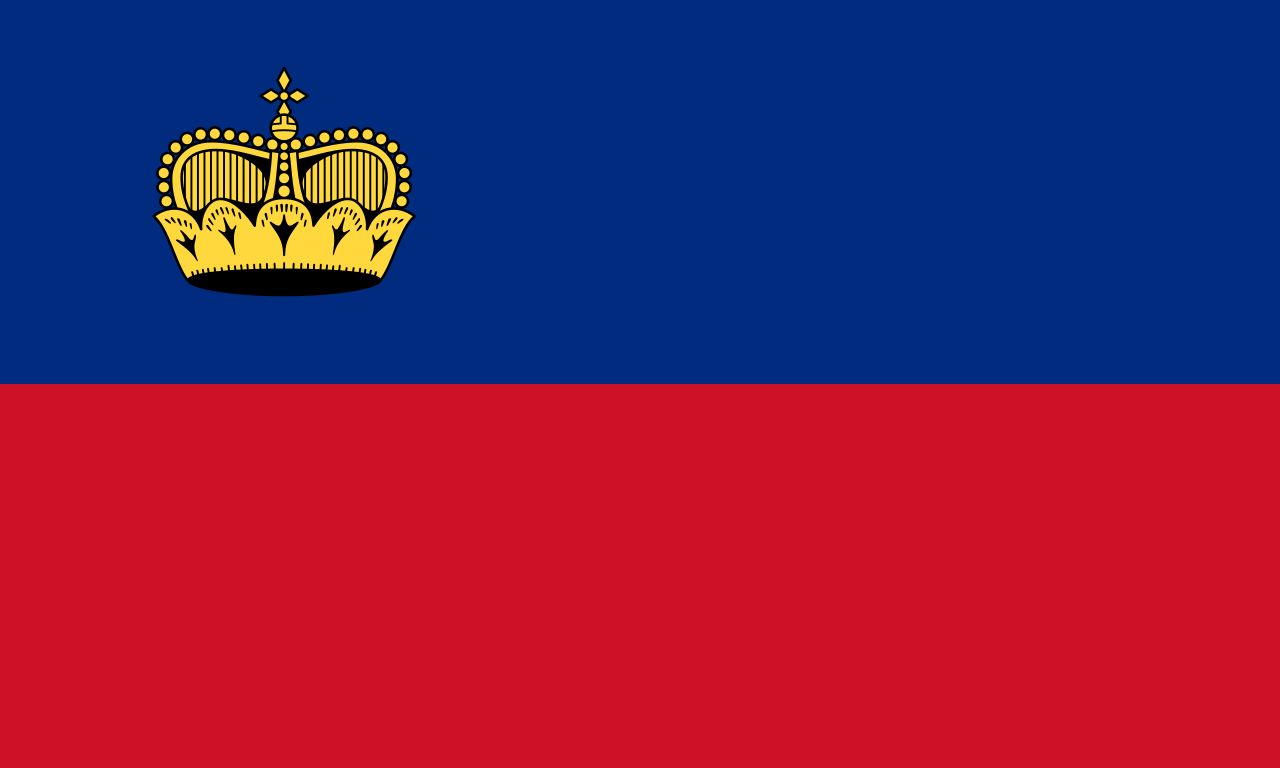
Liechtenstein
SUMMARY: A doubly landlocked country in the Central European Alps, known for its stunning natural beauty, rich history, and unique cultural heritage.
Overview
Located in the heart of the European Alps, Liechtenstein is a tiny but fascinating country that has managed to carve out a distinct identity for itself amidst the grandeur of its mountainous surroundings. With a population of just 41,389 and an area of approximately 160 square kilometers, Liechtenstein is Europe's fourth-smallest country, nestled between Austria to the east and north-east and Switzerland to the north-west, west, and south. The country's picturesque landscape, dotted with rolling hills, verdant valleys, and towering mountains, makes it a haven for nature lovers, hikers, and outdoor enthusiasts. Despite its small size, Liechtenstein boasts a rich cultural heritage, with a unique blend of Swiss and Austrian influences, and a strong tradition of art, music, and literature.
The capital city, Vaduz, is a charming and historic town that dates back to the 12th century, with a stunning castle that serves as the seat of the royal family. The city's picturesque old town, with its cobblestone streets, quaint shops, and traditional restaurants, is a must-visit destination for anyone interested in exploring the country's rich history and culture. Liechtenstein's economy is driven by a thriving financial sector, with many international companies and banks having a presence in the country. The country's unique blend of tradition and modernity, combined with its stunning natural beauty, makes it a fascinating destination for tourists and a great place to live for its residents.
History/Background
The history of Liechtenstein dates back to the 12th century, when the country was first mentioned in a document as a possession of the Counts of Vaduz. Over the centuries, the country changed hands several times, with various noble families vying for control. In 1719, the country was formed as a principality, with the Habsburgs as its rulers. However, it wasn't until the dissolution of the German Confederation in 1866 that Liechtenstein gained full independence. The country has since maintained a close relationship with Austria and Switzerland, with whom it shares a common border. Today, Liechtenstein is a constitutional monarchy, with the Prince of Liechtenstein serving as its head of state.
Key Information
- Area: approximately 160 square kilometers
- Population: 41,389
- Language: German (official)
- Currency: Swiss franc (CHF)
- Capital: Vaduz
- Head of State: Hans-Adam II, Prince of Liechtenstein
- Government: Constitutional monarchy
- Economy: Service-based, with a strong financial sector
- Debt: No debt (one of the few countries in the world with no national debt)
Significance
Liechtenstein's unique cultural heritage, stunning natural beauty, and strong economy make it a significant player in the region. The country's commitment to preserving its natural environment and promoting sustainable development has earned it a reputation as a leader in environmental protection. Its strong financial sector has also made it an attractive destination for international businesses and investors. Additionally, Liechtenstein's rich history and cultural heritage, combined with its picturesque landscape, make it a popular destination for tourists and a great place to live for its residents.
INFOBOX:
- Name: Principality of Liechtenstein
- Type: Doubly landlocked country
- Date: 1719 (formed as a principality)
- Location: Central European Alps, between Austria and Switzerland
- Known For: Unique cultural heritage, stunning natural beauty, strong financial sector
TAGS: Central European Alps, doubly landlocked country, constitutional monarchy, financial sector, environmental protection, sustainable development, tourism, cultural heritage, natural beauty.


