




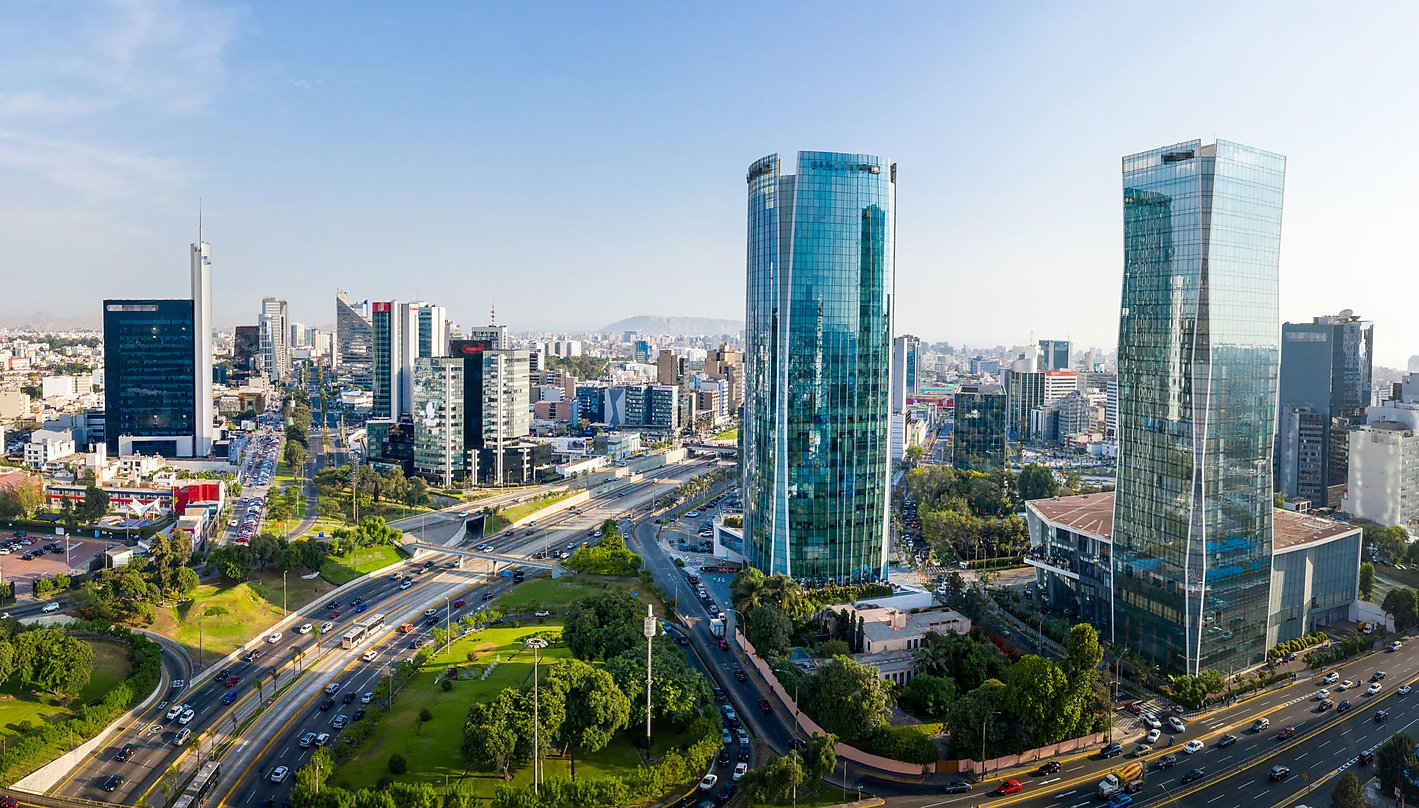
Lima
SUMMARY: Lima is the capital and largest city of Peru, a vibrant metropolis situated in the heart of the country's central coastal desert, boasting a rich cultural heritage and a strong economic presence.
Overview
Located in the valleys of the Chillón, Rímac, and Lurín Rivers, Lima is a sprawling metropolis that stretches along the Pacific coast of Peru. The city's unique geography, nestled between the Andes Mountains and the ocean, has shaped its history, culture, and economy. With a population of over 10 million people, Lima is a primate city, accounting for nearly a third of Peru's total population. The city's strategic location has made it a hub for trade, commerce, and culture, earning it the title of the "City of Kings" and the "Gastronomic Capital of the Americas."
Lima's landscape is a testament to its rich history, with a mix of colonial-era architecture, modern skyscrapers, and ancient ruins. The city's historic center, a UNESCO World Heritage Site, features stunning examples of Spanish colonial architecture, including the Plaza de Armas, the Cathedral of Lima, and the Government Palace. The city's vibrant cultural scene is reflected in its numerous museums, galleries, and festivals, which showcase Peruvian art, music, and cuisine.
History/Background
Lima's history dates back to the pre-Columbian era, when the area was inhabited by the indigenous Lima culture. In 1535, the Spanish conquistador Francisco Pizarro founded the city, which he named "Ciudad de los Reyes" (City of Kings). The city quickly grew into a major commercial center, thanks to its strategic location and access to the Pacific Ocean. During the colonial period, Lima became the capital of the Viceroyalty of Peru, a vast administrative region that spanned much of South America.
In the 19th century, Lima experienced a period of rapid growth and modernization, driven by the country's coffee and sugar industries. The city's economy continued to thrive in the 20th century, with the discovery of oil and natural gas reserves in the 1970s. Today, Lima is a major hub for international trade and commerce, with a strong focus on finance, technology, and tourism.
Key Information
* Population: Over 10 million people
* Area: 2,819.1 km² (1,089.6 sq mi)
* Elevation: 0-1,000 meters (0-3,300 ft) above sea level
* Climate: Desert climate, with mild winters and hot summers
* Language: Spanish (official), Quechua, and Aymara (indigenous languages)
* Currency: Peruvian sol (PEN)
* Time zone: UTC-5 (PET)
Significance
Lima's significance extends far beyond its role as the capital of Peru. As a major hub for international trade and commerce, the city plays a critical role in the global economy. Its strategic location and access to the Pacific Ocean make it an important center for shipping and logistics. The city's rich cultural heritage, including its cuisine, music, and art, has made it a popular destination for tourists from around the world.
In addition to its economic and cultural significance, Lima is also a major center for education and research. The city is home to several top-ranked universities, including the National University of San Marcos and the Pontifical Catholic University of Peru. The city's research institutions, including the Peruvian Academy of Sciences and the National Institute of Health, are also major contributors to the country's scientific and technological development.
INFOBOX:
- Name: Lima
- Type: Capital city and primate city
- Date: 1535 (founded)
- Location: Central coastal desert of Peru, overlooking the Pacific Ocean
- Known For: Rich cultural heritage, gastronomic capital of the Americas, major hub for international trade and commerce
TAGS: Capital city, primate city, cultural heritage, gastronomy, international trade, commerce, tourism, education, research, science, technology


