




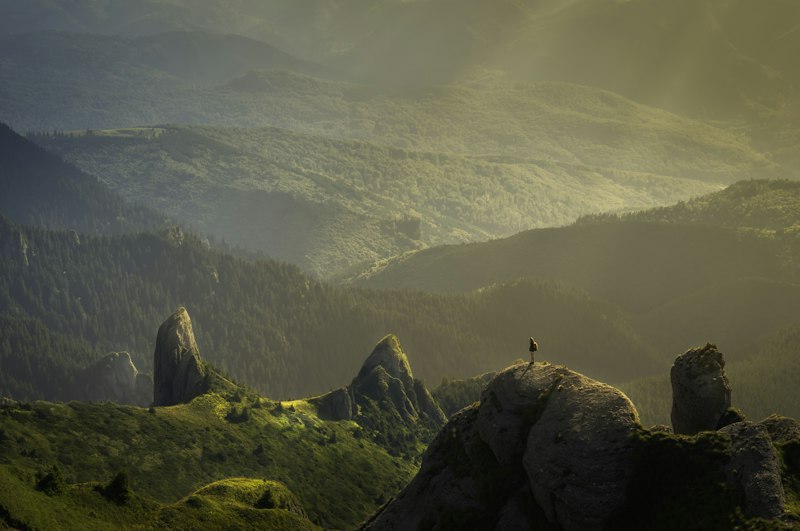
Machu Picchu
Machu Picchu is an ancient Inca citadel located on a mountain ridge above the Urubamba Valley in Peru. It is one of the most famous and mysterious archaeological sites in South America, and a testament to the engineering and architectural skills of the Inca civilization. Built in the 15th century, Machu Picchu was abandoned before the arrival of the Spanish conquistadors and remained hidden for centuries, until its rediscovery in 1911.
History
Machu Picchu was built during the reign of the Inca emperor Pachacuti (1380-1472), who is credited with expanding the Inca Empire. The site was likely constructed as a retreat for the emperor and his nobles, and was designed to be a self-sufficient city with its own agricultural systems, water supply, and defense mechanisms. The citadel was built using local stone, with walls that are up to 6 meters (20 feet) high and 3 meters (10 feet) thick.
Architecture
Machu Picchu is an impressive example of Inca architecture, with its use of stone, terracing, and drainage systems. The site is divided into two main areas: the agricultural sector, which includes terraces for farming and a system of canals and aqueducts, and the urban sector, which includes the main temple, the Intihuatana stone, and the Sun Gate. The architecture is characterized by the use of ashlar stones, which are fitted together without mortar.
Rediscovery and Preservation
Machu Picchu was rediscovered in 1911 by American historian and explorer Hiram Bingham, who was sponsored by Yale University and the National Geographic Society. Bingham's expedition was the first to document the site, and his findings sparked a wave of interest in the site and the Inca civilization. In 1983, Machu Picchu was designated a UNESCO World Heritage site, and in 2007, it was voted one of the New 7 Wonders of the World.
Key Facts
* Location: Urubamba Valley, Peru
* Built: 15th century
* Abandoned: before the arrival of the Spanish conquistadors
* Rediscovered: 1911 by Hiram Bingham
* UNESCO World Heritage site: 1983
* New 7 Wonders of the World: 2007
* Height: 2,430 meters (7,972 feet) above sea level
* Population: 0 (no permanent residents)
* Visitors: over 1 million per year
Cultural Significance
Machu Picchu is a sacred site for the indigenous people of Peru, who believe that the site holds spiritual and mystical powers. The site is also an important cultural symbol of Peru's rich history and heritage, and is a source of national pride.
Tourism and Conservation
Machu Picchu is one of the most popular tourist destinations in South America, with over 1 million visitors per year. However, the site is fragile and vulnerable to the impact of tourism, and conservation efforts are underway to protect the site and its surroundings.


