



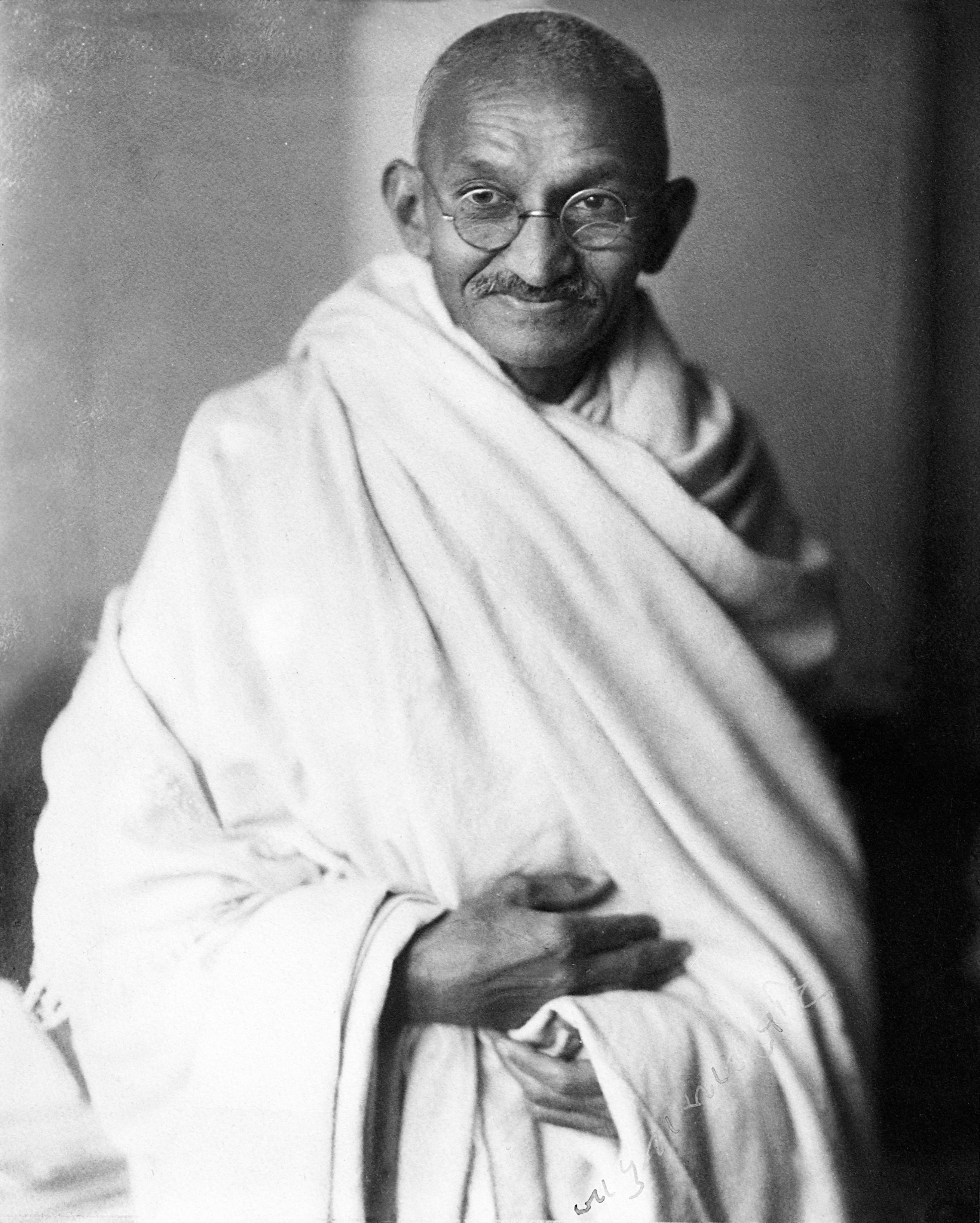

Overview
Mohandas Karamchand Gandhi, affectionately known as Mahatma Gandhi, was a trailblazing Indian lawyer, anti-colonial nationalist, and political ethicist who revolutionized the world with his pioneering approach to nonviolent resistance. Born in 1869 in Porbandar, a small coastal town in the state of Gujarat, India, Gandhi's life was a testament to his unwavering commitment to justice, equality, and peace. Through his tireless efforts, he led India to independence from British rule, inspiring movements for civil rights and freedom across the globe.
Gandhi's philosophy of nonviolent resistance, which he termed Satyagraha, was a powerful tool for challenging oppressive systems and promoting social change. By embracing nonviolence, Gandhi demonstrated that even the most seemingly insurmountable challenges could be overcome through determination, courage, and collective action. His legacy continues to inspire people from all walks of life, from civil rights activists to environmentalists, to strive for a more just and peaceful world.
Background & Origins
Gandhi was born on October 2, 1869, to Karamchand Gandhi, a high-caste Hindu, and Putlibai Gandhi, a devout Hindu from a lower caste. His family was part of the Modh Bania community, a merchant caste that valued education and social mobility. Gandhi's early life was marked by a strong emphasis on education, with his father encouraging him to pursue a career in law. In 1887, Gandhi traveled to England to study law at the Inner Temple in London, where he was exposed to Western ideas and values.
Gandhi's experiences in England had a profound impact on his worldview, shaping his perspective on colonialism, imperialism, and social justice. He was particularly influenced by the writings of Henry David Thoreau, whose ideas on civil disobedience and nonviolent resistance resonated deeply with Gandhi. Upon returning to India in 1891, Gandhi began to apply these principles in his own life, advocating for the rights of Indians and challenging the British colonial authorities.
Major Achievements & Milestones
[Achievement 1] (1915): Quit India Movement - Gandhi launched the Quit India Movement, a nationwide campaign demanding immediate independence from British rule. The movement, which began on August 8, 1942, was marked by widespread protests, boycotts, and acts of civil disobedience.
[Achievement 2] (1930): Salt March - Gandhi led the famous Salt March, a 24-day walk from Ahmedabad to the coastal town of Dandi, where he defied British laws by producing salt from seawater. The march, which began on March 12, 1930, was a powerful symbol of resistance against British colonialism.
[Achievement 3] (1947): Indian Independence - Gandhi played a pivotal role in India's struggle for independence, negotiating with British leaders and mobilizing public support for the cause. On August 15, 1947, India finally gained independence from British rule, with Gandhi's vision of a united and peaceful India taking shape.
Timeline
- 1869: Gandhi is born on October 2 in Porbandar, India.
- 1887: Gandhi travels to England to study law.
- 1891: Gandhi returns to India and begins to advocate for Indian rights.
- 1914: Gandhi is first referred to as Mahatma in South Africa.
- 1915: Gandhi launches the Quit India Movement.
- 1930: Gandhi leads the Salt March.
- 1942: Gandhi launches the Quit India Movement.
- 1947: India gains independence from British rule.
- 1948: Gandhi is assassinated on January 30 in New Delhi, India.
Impact & Legacy
Gandhi's impact on the world is immeasurable. His philosophy of nonviolent resistance has inspired movements for civil rights, social justice, and peace across the globe. From the American Civil Rights Movement to the anti-apartheid movement in South Africa, Gandhi's ideas have shaped the course of history. His commitment to simplicity, self-reliance, and nonviolence continues to inspire people from all walks of life, from politicians to artists, to strive for a more just and peaceful world.
Records & Notable Facts
> "An eye for an eye only ends up making the whole world blind." - Mahatma Gandhi


