




Overview
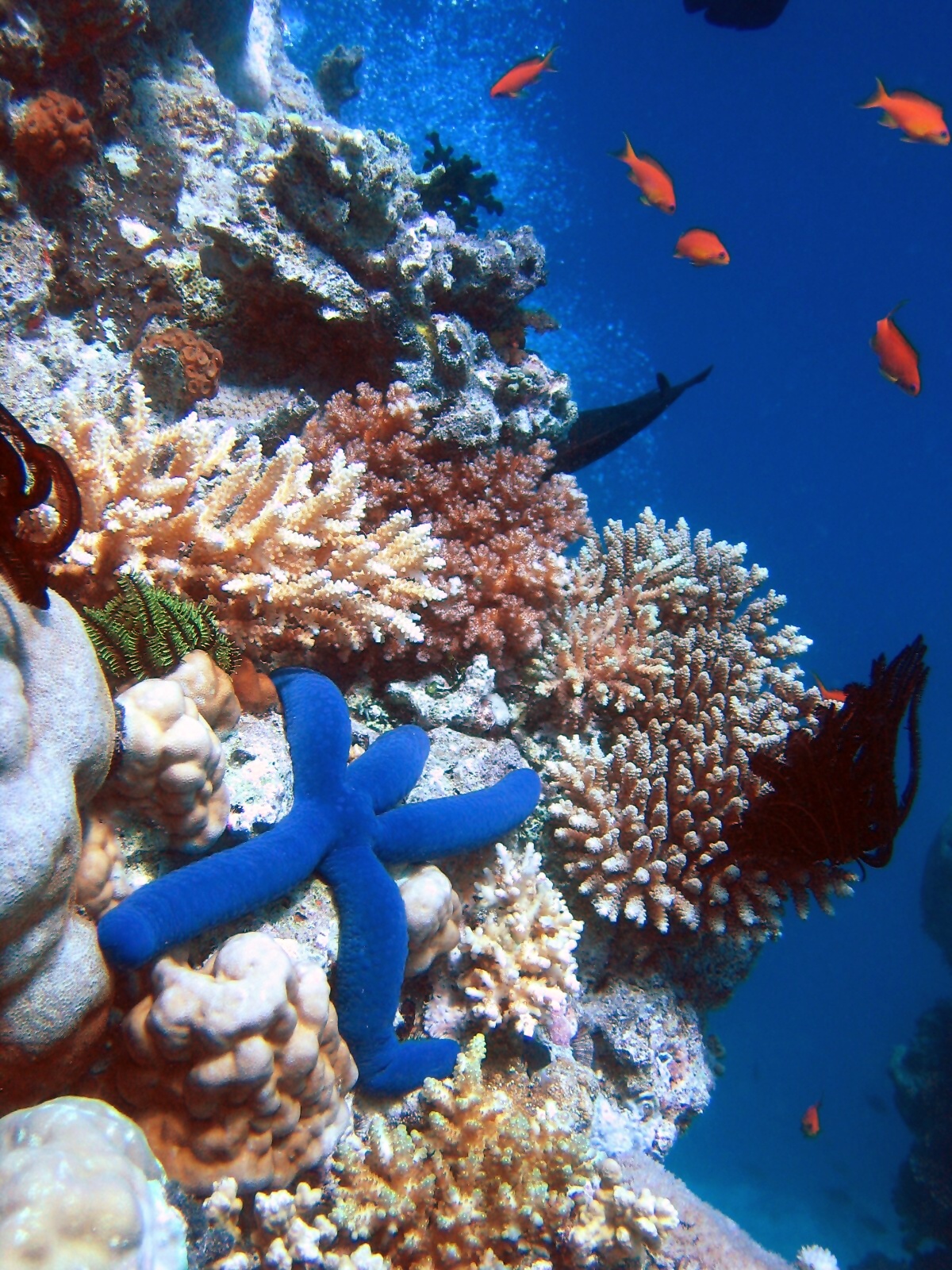
Marine conservation is a vital discipline that aims to protect and preserve the world's oceans and seas, which cover over 70% of the Earth's surface. The oceans are home to a vast array of marine life, including coral reefs, kelp forests, and open ocean ecosystems, which provide essential services such as food, oxygen, and climate regulation. However, human activities such as overfishing, pollution, and coastal development have led to devastating impacts on marine ecosystems, resulting in species loss, habitat degradation, and changes in ecosystem functions. Marine conservation seeks to address these issues through planned management, research, and community engagement.
Marine conservation is a multidisciplinary field that draws on expertise from biology, ecology, sociology, economics, and policy. It involves the study of marine ecosystems, including the interactions between species, habitats, and human activities. Conservation efforts focus on limiting human-caused damage to marine ecosystems, restoring damaged ecosystems, and preserving vulnerable species and ecosystems. This can involve implementing marine protected areas, regulating fishing and pollution, and promoting sustainable livelihoods for coastal communities.
History/Background
Marine conservation has its roots in the early 20th century, when scientists began to recognize the importance of protecting marine ecosystems. In the 1960s and 1970s, concerns about overfishing and pollution led to the establishment of the first marine protected areas. The 1980s saw the development of international agreements, such as the Convention on International Trade in Endangered Species of Wild Fauna and Flora (CITES), which aimed to regulate the trade of marine species. In the 1990s and 2000s, marine conservation gained momentum, with the establishment of the Marine Conservation Institute and the World Wildlife Fund's (WWF) marine program.
Key Information
Some key facts and achievements in marine conservation include:
* Marine protected areas: Over 15% of the world's oceans are now protected, with many more areas being established each year.
* Sustainable fishing: Many countries have implemented sustainable fishing practices, such as catch limits and marine reserves, to reduce overfishing and protect marine ecosystems.
* Pollution reduction: Efforts to reduce pollution, such as the implementation of marine debris removal programs and the regulation of plastic use, have led to significant reductions in marine pollution.
* Climate change mitigation: Marine conservation efforts are increasingly focused on mitigating the impacts of climate change, such as sea-level rise and ocean acidification.
Significance
Marine conservation is crucial for maintaining the health of our planet. The oceans provide essential services, including:
* Food security: The oceans are a critical source of food for billions of people, with many species providing income and livelihoods for coastal communities.
* Climate regulation: The oceans play a key role in regulating the Earth's climate, with phytoplankton absorbing carbon dioxide and producing oxygen.
* Ecosystem services: Marine ecosystems provide a range of ecosystem services, including shoreline protection, water filtration, and nutrient cycling.


