Overview
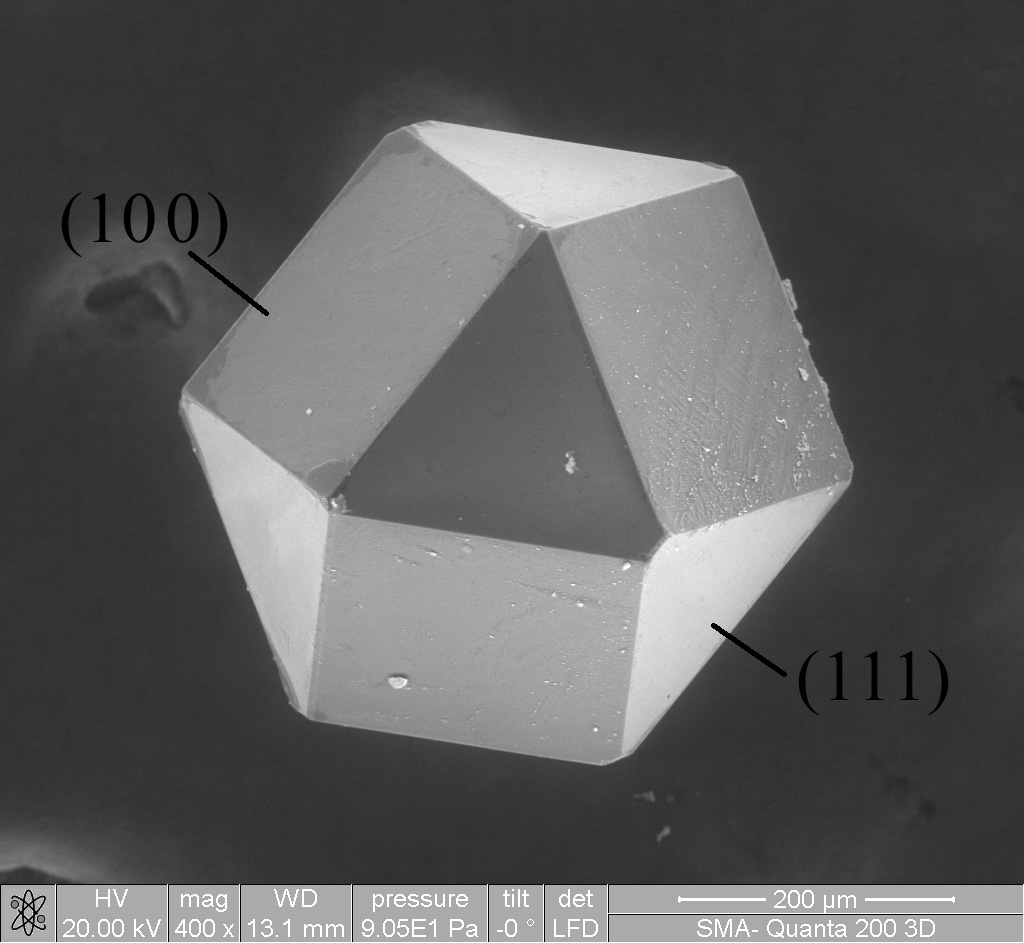
Materials science explores the composition, structure, properties, and performance of materials, bridging physics, chemistry, and engineering. It focuses on understanding how atomic and molecular arrangements determine material behavior, enabling the design of new substances with tailored characteristics. This field overlaps with materials engineering, which applies scientific discoveries to create practical solutions in construction, electronics, medicine, and energy. Modern materials science encompasses traditional materials like metals and ceramics, as well as cutting-edge fields such as nanotechnology, biomaterials, and smart materials that respond to environmental stimuli.The discipline is foundational to technological progress. For example, semiconductors underpin modern computing, while lightweight composites revolutionize aerospace. Researchers use advanced tools like electron microscopy and computational modeling to analyze materials at atomic scales, accelerating the development of breakthroughs such as graphene (2004) and self-healing polymers.
History/Background
Materials science has ancient roots: early humans used stone, bone, and plant fibers, while the Bronze Age (c. 3300 BCE) and Iron Age (c. 1200 BCE) marked milestones in alloy development. Systematic study began in the 18th century with metallurgy advancements, such as Henry Cort’s puddling process for iron (1784). The 19th century saw the rise of physical metallurgy, with pioneers like William Chandler Roberts-Austen mapping phase diagrams.The field formalized in the 20th century. In 1954, the California Institute of Technology established the first materials science department, recognizing the need for interdisciplinary research. The space race (1957–1969) and semiconductor revolution (e.g., the transistor, 1947) spurred demand for high-performance materials. Key developments include the 1960s discovery of shape-memory alloys and the 1980s emergence of high-temperature superconductors. Richard Feynman’s 1959 lecture “There’s Plenty of Room at the Bottom” foreshadowed nanotechnology, now a cornerstone of the field.
Key Information
Materials science is divided into five primary classes: 1. Metals: Known for strength and conductivity (e.g., titanium alloys for jet engines). 2. Ceramics: Heat-resistant and hard (e.g., silicon carbide in abrasives). 3. Polymers: Flexible and lightweight (e.g., Kevlar, Teflon). 4. Composites: Combined materials for enhanced properties (e.g., carbon-fiber-reinforced plastics in Formula 1 cars). 5. Electronic materials: Semiconductors like silicon enable microchips.Major achievements include:
- Graphene (2004): A single-atom-thick carbon sheet with exceptional strength and conductivity.
- Biodegradable polymers (1970s): Used in medical sutures and drug delivery.
- Perovskite solar cells (2009): Revolutionizing photovoltaic efficiency.
- 3D-printable metals: Enabling complex aerospace and medical components.
Significance
Materials science shapes modern civilization. It enables renewable energy technologies (e.g., lightweight wind turbine blades), life-saving medical devices (e.g., biocompatible implants), and sustainable solutions like recyclable plastics. The field also addresses global challenges: hydrogen-storage materials for clean energy, radiation-shielding composites for space travel, and smart textiles with embedded sensors.Economically, the global materials market was valued at $5.2 trillion in 2023, with nanomaterials and advanced polymers driving growth. Ethical considerations, such as rare-earth mineral mining and e-waste, highlight the need for sustainable practices. Future directions include quantum materials for computing and self-repairing infrastructure using microcapsule-infused concrete.