




**
Overview
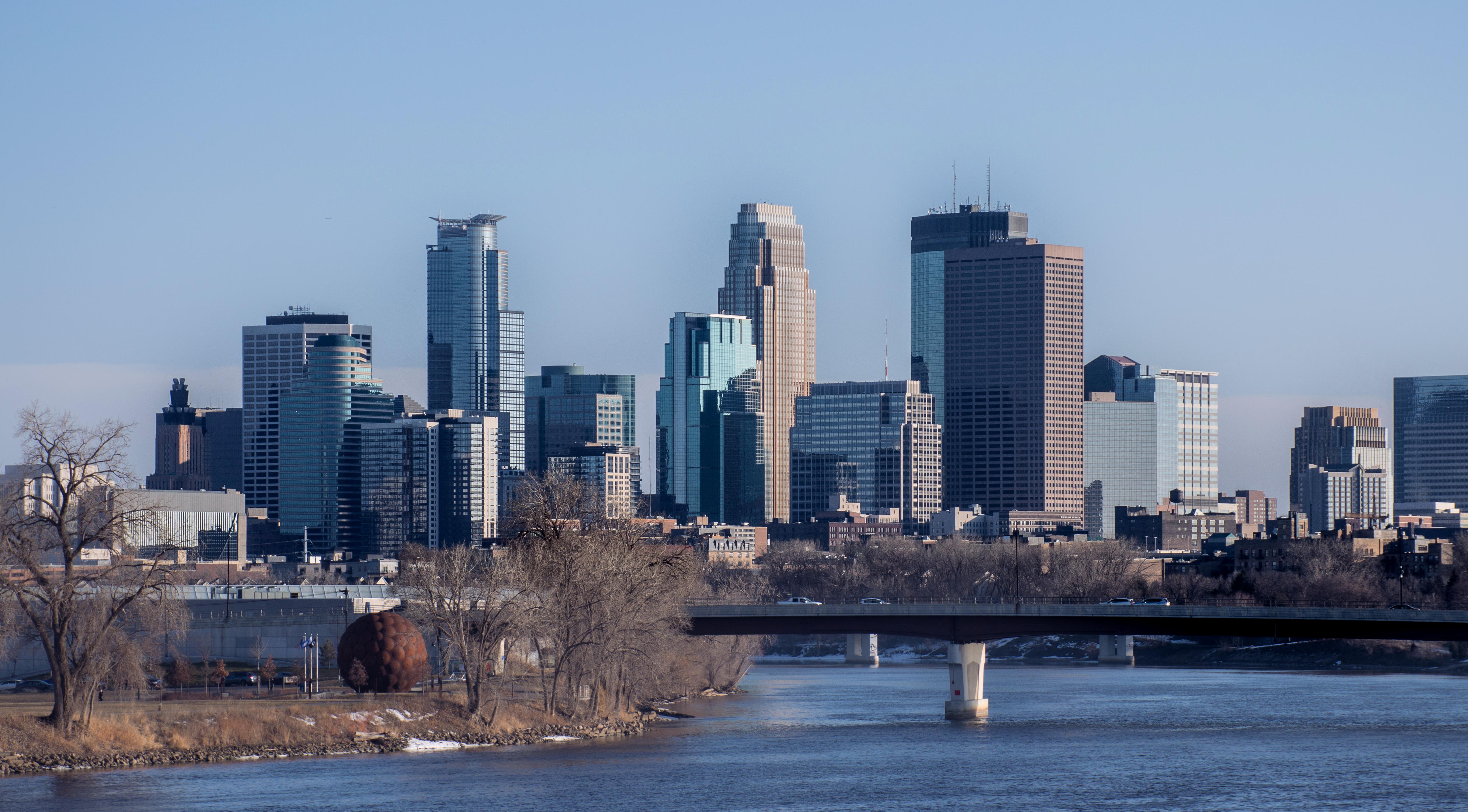
Nestled on the banks of the Upper Mississippi River in Hennepin County, Minneapolis is the cultural and economic engine of the Upper Midwest. With a 2020 census population of 429,954, it stands as the most populous city in Minnesota and the anchor of the Twin Cities metropolitan area, which together with Saint Paul and surrounding suburbs houses 3.69 million residents. The city’s layout is defined by a flat, artesian‑aquifer foundation that supports an extensive network of lakes, wetlands, creeks, and waterfalls—thirteen lakes alone dot the urban landscape, giving rise to the moniker “City of Lakes.”Minneapolis is celebrated for its four‑season climate: bitterly cold, snow‑laden winters contrast sharply with hot, humid summers, creating a dynamic environment for outdoor recreation year‑round. The Grand Rounds National Scenic Byway stitches together a 50‑mile loop of parks, trails, and cultural institutions, making the city one of the nation’s most walkable and bike‑friendly urban centers. From the bustling Northeast Arts District to the historic Mill District, the city blends industrial heritage with cutting‑edge design, music, and culinary innovation.
History/Background
The area that would become Minneapolis was originally inhabited by the Dakota (Sioux) peoples, who fished the Mississippi and harvested wild rice from its floodplains. European‑American settlement began in the 1840s, spurred by the St. Anthony Falls—the only major waterfall on the Mississippi—providing a natural power source for sawmills and later flour mills. In 1855, the town of St. Anthony was incorporated on the east bank; two years later, the settlement on the west bank was named Minneapolis, a blend of the Dakota word mni (“water”) and the Greek polis (“city”).The Minnesota River and the falls turned Minneapolis into the world’s flour‑milling capital by the late 19th century, earning it the nickname “Flour Milling Capital of the World.” The Washburn‑Avery and General Mills corporations emerged from this era, shaping both the local economy and global food supply. The early 20th century saw a wave of immigration—particularly from Scandinavia, Germany, and Eastern Europe—infusing the city with diverse cultural traditions that persist today.
Key dates:
- 1856: Minneapolis incorporated as a city.
- 1880s: Completion of the Grand Rounds park system.
- 1967: Formation of the Metropolitan Council, coordinating regional planning for the Twin Cities.
- 1990s‑2000s: Revitalization of the North Loop and Warehouse District, fostering tech startups and arts venues.
Key Information
- Population (2020): 429,954 (city); 3.69 million (Twin Cities metro). - Area: 58.4 sq mi (151 km²) of land; 13 sq mi (34 km²) of water. - Economy: Headquarters of Target, U.S. Bancorp, Best Buy, and 3M (regional). Strong sectors include finance, health care, education, and a burgeoning tech scene. - Education: Home to the University of Minnesota Twin Cities, Minneapolis College of Art and Design, and numerous research institutes. - Transportation: Served by Minneapolis–Saint Paul International Airport (MSP), an extensive light‑rail system (METRO), and a dense network of bike lanes. - Culture: Renowned for the Walker Art Center, Weisman Art Museum, Guthrie Theater, and a vibrant music legacy that birthed Prince, Bob Dylan, and the hip‑hop collective Atmosphere. - Recreation: Over 6,000 acres of parkland, the Chain of Lakes (Lake Calhoun, Lake Harriet, etc.), and the Mississippi Riverfront provide kayaking, sailing, and winter ice‑fishing.Significance
Minneapolis exemplifies how a city can leverage natural resources—water, flat terrain, and an artesian aquifer—to forge a resilient, livable urban environment. Its historic transformation from a milling powerhouse to a modern knowledge‑based economy illustrates adaptive reuse and forward‑thinking planning. The Grand Rounds model has inspired parkway designs worldwide, emphasizing connectivity between green space and civic life.Culturally, Minneapolis punches far above its weight: it has produced globally influential musicians, visual artists, and writers, while its Twin Cities media market consistently ranks among the top ten in the United States. The city’s commitment to social equity—evident in progressive policies on public transit, affordable housing, and environmental stewardship—offers a template for other mid‑size metros confronting climate change and demographic shifts.
In short, Minneapolis stands as a testament to the power of water‑centric urban design, industrial ingenuity, and cultural vibrancy, making it a pivotal node in America’s geographic and artistic tapestry.
INFOBOX:
- Name: Minneapolis, Minnesota
- Type: City (County seat)
- Date: Incorporated 1856
- Location: Hennepin County, Minnesota, United States; on both banks of the Upper Mississippi River
- Known For: “City of Lakes,” historic flour‑milling industry, extensive park system (Grand Rounds), vibrant arts and music scene
TAGS: Minneapolis, Twin Cities, Minnesota, City of Lakes, Grand Rounds, Flour Milling History, Urban Parks, Cultural Hub


