




**
Overview
The New Development Bank (NDB) is a multilateral development bank created by the five BRICS nations—Brazil, Russia, India, China, and South Africa—to serve as an alternative source of development finance for emerging and developing economies. Unlike traditional institutions such as the World Bank, the NDB emphasizes south‑south cooperation, prioritizing projects that advance climate resilience, clean energy, and inclusive growth. Its charter authorizes the bank to support both public and private sector initiatives using a suite of financial instruments, including loans, guarantees, equity stakes, and other innovative mechanisms. In addition, the NDB is mandated to cooperate with existing international organizations, share best practices, and provide technical assistance to ensure that funded projects meet high standards of environmental and social sustainability.Since its inception, the NDB has positioned itself as a catalyst for infrastructure development that addresses the financing gap faced by many middle‑income countries. By leveraging the combined capital of its founding members and tapping into global capital markets, the bank aims to mobilize billions of dollars for projects ranging from renewable‑energy power plants and urban transit systems to water‑resource management and digital connectivity. Its governance structure—featuring equal voting rights for each member and a rotating presidency—reflects the BRICS commitment to multilateralism and shared decision‑making.
History/Background
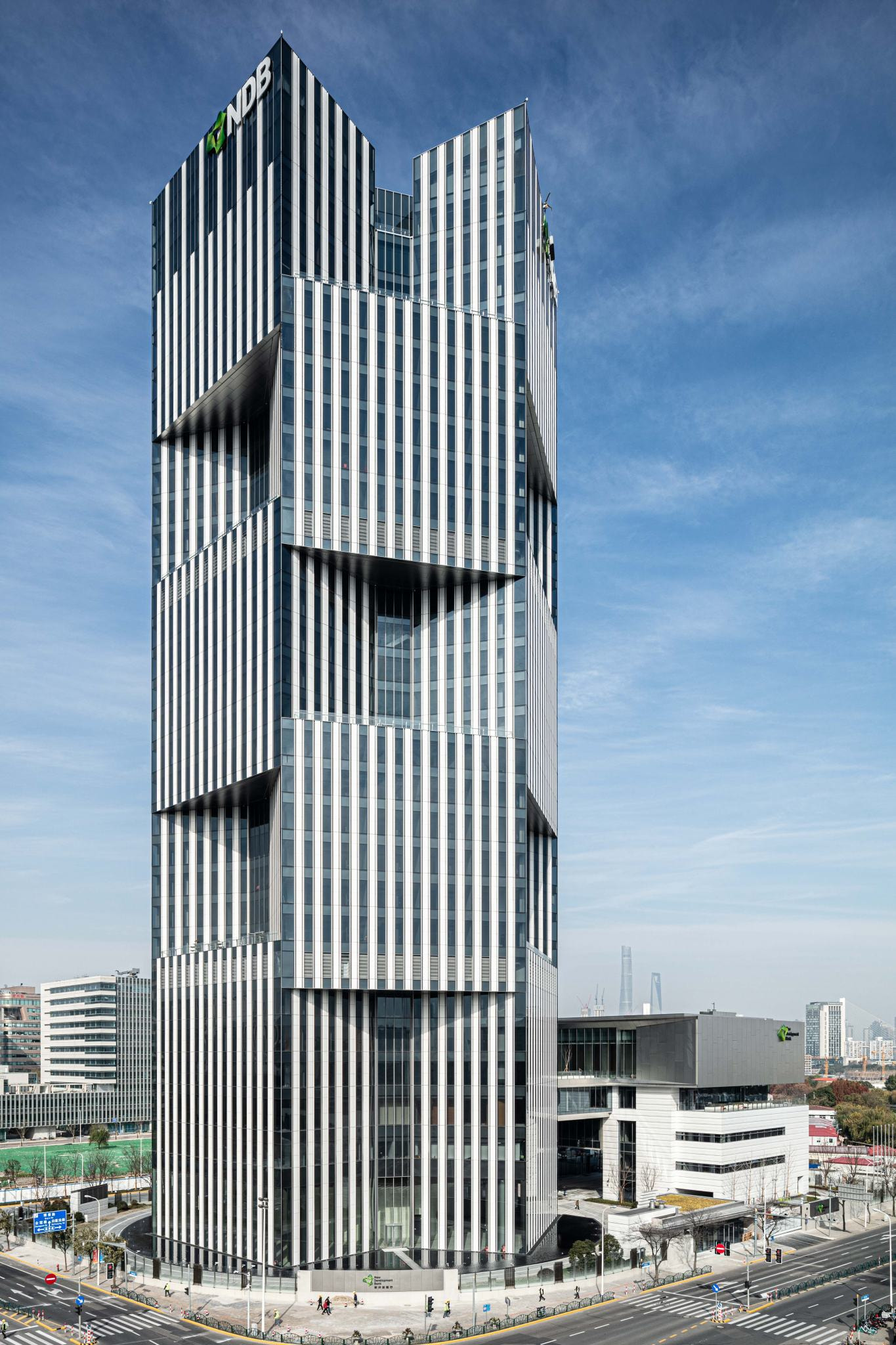
The idea of a BRICS‑led development bank first emerged at the 2012 BRICS summit in New Delhi, where leaders expressed frustration with the perceived dominance of Western‑led financial institutions. Formal negotiations began in 2013, culminating in the signing of the NDB Founding Agreement on July 15, 2014 in Fortaleza, Brazil. The agreement stipulated an initial authorized capital of US$100 billion, with each founding member contributing US$10 billion in equal shares.The bank’s headquarters were established in Shanghai, China, and it officially commenced operations on July 16, 2015, the anniversary of the founding agreement. The inaugural board meeting elected Mr. K. V. Kamath (India) as the first president, who oversaw the launch of the bank’s first loan portfolio in 2016. Key milestones include:
* 2016 – First loan of US$500 million to a renewable‑energy project in South Africa.
* 2017 – Expansion of membership to include Argentina and Egypt as associate members, later becoming full members in 2022.
* 2020 – Issuance of the bank’s inaugural green bond, raising US$1 billion for climate‑focused projects.
* 2022 – Adoption of a “Digital NDB” platform to streamline project appraisal and monitoring using blockchain technology.
These developments illustrate the NDB’s evolution from a conceptual alternative to a functioning financial institution with a growing portfolio and expanding membership.
Key Information
- Authorized Capital: US$100 billion (initial); as of 2024, total capital commitments exceed US$150 billion. - Loan Portfolio (2023): Approximately US$12 billion in active projects across 30 countries, with a focus on renewable energy, transport, water, and digital infrastructure. - Governance: Board of Governors (one per member state) holds ultimate authority; Board of Directors (12 members) handles day‑to‑day oversight; President rotates every five years among founding members. - Financial Instruments: Conventional loans, concessional loans, guarantees, equity participation, and green bonds. - Cooperation: Formal partnerships with the World Bank, Asian Development Bank, African Development Bank, and United Nations agencies for joint financing and capacity‑building. - Technical Assistance: Provides project feasibility studies, risk assessments, and capacity‑building workshops to ensure project viability and compliance with environmental and social safeguards.Significance
The NDB represents a strategic shift in the global development finance architecture, offering alternative funding pathways that reduce reliance on traditional Western‑dominated institutions. Its emphasis on climate‑compatible infrastructure aligns with the Paris Agreement goals, positioning the bank as a key player in financing the transition to low‑carbon economies in the Global South. By pooling resources from emerging powers, the NDB also enhances the bargaining power of its members in international financial negotiations, fostering a more multipolar economic order.Moreover, the bank’s innovative financing tools—such as green bonds and digital project platforms—serve as models for other development banks seeking to improve transparency, efficiency, and sustainability. The NDB’s growing portfolio demonstrates tangible impacts: improved electricity access for millions, reduced traffic congestion in major cities, and enhanced water security in drought‑prone regions. As the bank expands its membership and capital base, its influence on global development policy and practice is likely to deepen, reinforcing the principle that development finance can be both inclusive and environmentally responsible.
INFOBOX:
- Name: New Development Bank
- Type: Multilateral Development Bank
- Date: Established 15 July 2014 (operations began 16 July 2015)
- Location: Headquarters in Shanghai, China (regional offices in Johannesburg, São Paulo, Moscow, and New Delhi)
- Known For: Financing sustainable infrastructure projects for emerging economies and promoting south‑south cooperation
TAGS: New Development Bank, BRICS, multilateral development finance, sustainable infrastructure, green bonds, south‑south cooperation, climate finance, emerging economies



