




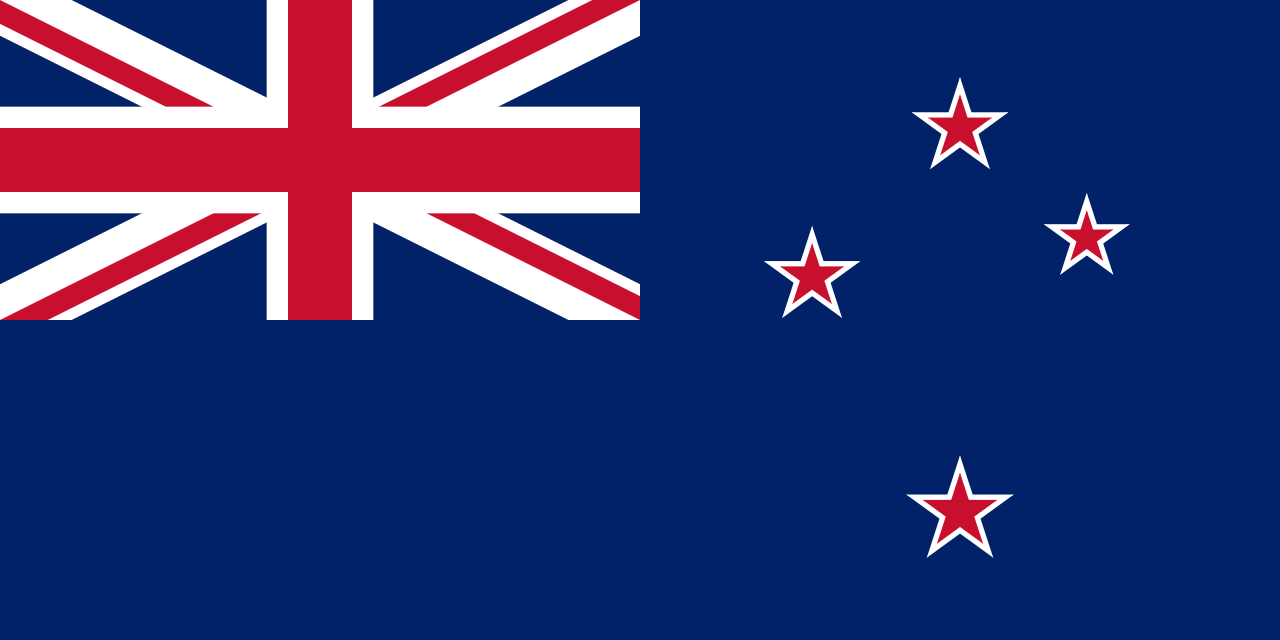
New Zealand
SUMMARY: A country of breathtaking landscapes, diverse culture, and rich history, New Zealand is a unique island nation in the southwestern Pacific Ocean.
Overview
Located in the heart of the Pacific, New Zealand is a country of stunning natural beauty, with its rugged mountains, pristine fjords, and vast coastlines. The country's varied topography is a result of millions of years of geological activity, including tectonic uplift and volcanic eruptions. The North Island and South Island, the two main landmasses, are separated by the Cook Strait, which connects the Tasman Sea to the Pacific Ocean. The country's climate is temperate, with mild winters and warm summers, making it an attractive destination for tourists and outdoor enthusiasts.
New Zealand's unique cultural heritage is a blend of indigenous Maori and European influences. The Maori people, who arrived in New Zealand around the 13th century, have a rich and vibrant culture, with a strong emphasis on whakapapa (genealogy), taonga (treasures), and kapa haka (performing arts). European settlers arrived in the 18th century, and their influence can be seen in the country's architecture, language, and customs. Today, New Zealand is a multicultural society, with people from all over the world living and working together.
From the stunning landscapes of Milford Sound to the vibrant cities of Auckland and Wellington, New Zealand is a country that has something for everyone. Whether you're interested in adventure sports, cultural experiences, or simply relaxing in a beautiful setting, New Zealand is a destination that will leave you with lifelong memories.
History/Background
New Zealand's history dates back to the arrival of the Maori people around the 13th century. The Maori developed a complex society, with a strong emphasis on tribal affiliations, kinship, and resource management. In the 18th century, European explorers, including James Cook, arrived in New Zealand, and the country was eventually colonized by the British in the 19th century. The Maori and European populations clashed, leading to the New Zealand Wars, which lasted from 1845 to 1872. The country gained independence from Britain in 1907 and became a dominion in 1908.
In the 20th century, New Zealand played an important role in World War I and World War II, and the country's economy grew rapidly during the post-war period. In the 1980s, New Zealand introduced a range of economic reforms, including the introduction of a free market economy and the privatization of state-owned enterprises. Today, New Zealand is a modern, prosperous country, with a strong economy and a high standard of living.
Key Information
- Location: New Zealand is located in the southwestern Pacific Ocean, east of Australia and south of the islands of New Caledonia, Fiji, and Tonga.
- Capital City: Wellington is the capital city of New Zealand.
- Largest City: Auckland is the largest city in New Zealand, with a population of over 1.5 million people.
- Population: The population of New Zealand is approximately 4.9 million people.
- Area: New Zealand has a total area of 268,021 square kilometers (103,483 square miles).
- Language: The official language of New Zealand is English, but Maori is also an official language.
- Currency: The New Zealand dollar is the official currency of New Zealand.
- Economy: New Zealand has a mixed economy, with a strong focus on agriculture, tourism, and manufacturing.
Significance
New Zealand is a country of significant cultural and historical importance. The country's unique Maori culture is a source of pride for New Zealanders, and the country's natural beauty has made it a popular destination for tourists. New Zealand has also played an important role in international affairs, including its participation in World War I and World War II.
INFOBOX:
- Name: New Zealand
- Type: Island country
- Date: 1907 (independence from Britain)
- Location: Southwestern Pacific Ocean
- Known For: Stunning natural beauty, diverse culture, and rich history
TAGS: Island country, Pacific Ocean, Maori culture, European settlement, natural beauty, tourism, economy, history, culture.


