




Overview
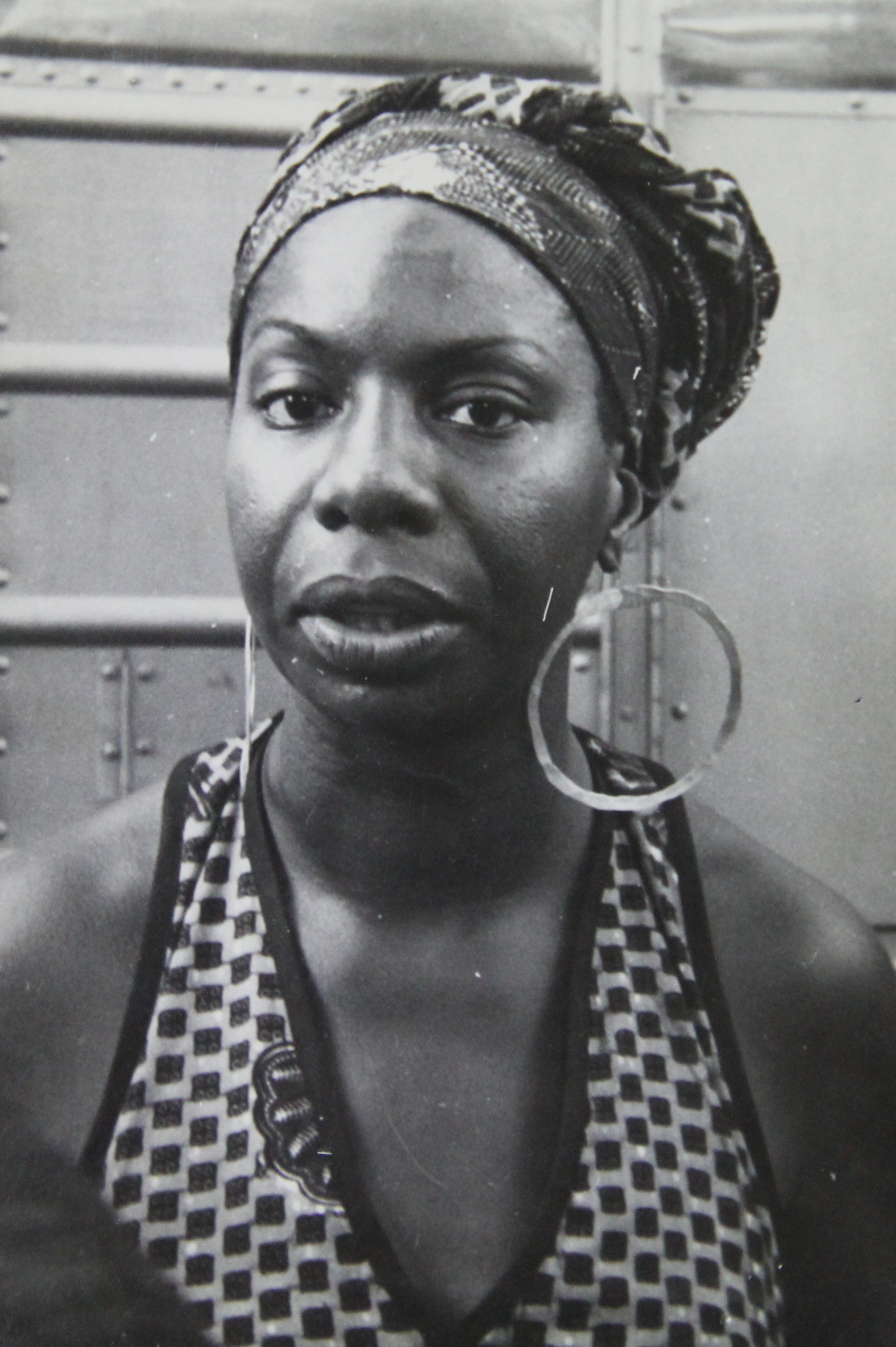
Born Eunice Kathleen Waymon in 1933, Nina Simone emerged as one of the 20th century’s most compelling musical voices. A classically trained pianist with a deep reverence for Baroque and Johann Sebastian Bach, she translated that discipline into a raw, emotive contralto that could swing from tender lullaby to searing protest. Over a career that spanned four decades, Simone’s recordings traversed classical, folk, gospel, blues, jazz, R&B, and pop, making her a true musical chameleon while retaining an unmistakable personal stamp.Simone’s artistry was inseparable from her activism. In the turbulent 1960s, she used her platform to confront racism, segregation, and injustice, penning anthems like “Mississippi Goddam” and “To Be Free.” Her fearless blend of performance and protest earned her a place on Rolling Stone’s lists of the greatest singers of all time, and her influence reverberates through contemporary artists across genres. Today, Nina Simone is celebrated not only for her extraordinary musicianship but also for her unwavering commitment to social change.
History/Background
Eunice Waymon grew up in Tryon, North Carolina, displaying prodigious piano talent that earned her a scholarship to the Juilliard School of Music in New York City. Financial constraints forced her to leave Juilliard after a year, and she began performing in nightclubs under the stage name “Nina Simone,” a moniker suggested by a friend that combined the Spanish word for “little girl” (niña) with the French word for “sleep” (somme). Her debut album, Little Girl Blue (1958), showcased her classical training alongside jazz standards, instantly attracting critical acclaim.The 1960s marked a turning point as Simone’s music grew increasingly political. After the murder of Medgar Evers and the Birmingham church bombing, she wrote “Mississippi Goddam,” a blistering response that cemented her role as a civil‑rights activist. Throughout the decade she recorded for labels such as Philips, RCA Victor, and Colpix, releasing seminal works like Pastel Blues (1965) and Nina Simone and Pitchfork (1970). Relocating to Liberia in the 1970s, she later settled in France, where she continued to perform until her death in 2003.
Key Information
- Full name: Eunice Kathleen Waymon Simone - Born: February 21, 1933, Tryon, North Carolina, USA - Died: April 21, 2003, Carry Le Roi, France - Primary instruments: Piano (classically trained), vocals (contralto) - Genres: Classical, jazz, blues, folk, gospel, R&B, pop, soul - Signature songs: “I Put a Spell on You,” “Feeling Good,” “Sinnerman,” “Four Women,” “Ain’t Got No, I Got Life” - Activism: Wrote and performed protest songs; participated in civil‑rights rallies; testified before the House Committee on Un-American Activities in 1966. - Awards & honors: Inducted into the Rock and Roll Hall of Fame (2020), Grammy Lifetime Achievement Award (2020), multiple Grammy nominations, and numerous posthumous tributes. - Influence: Cited by artists such as Lauryn Hill, Beyoncé, Adele, and John Legend; her music sampled in hip‑hop classics by Kanye West and Nas.Significance
Nina Simone’s legacy is a tapestry of artistic brilliance and social conscience. Musically, she shattered genre boundaries, proving that a classically trained pianist could command the jazz club stage and the protest rally alike. Her Baroque‑inflected piano technique introduced a new harmonic richness to popular music, while her deep, resonant contralto conveyed both vulnerability and defiance. Culturally, Simone gave voice to the African‑American struggle, turning personal grief into collective empowerment; her protest songs remain rallying cries for contemporary movements such as Black Lives Matter.Beyond recordings, Simone’s life story—marked by perseverance against racial and gender barriers—continues to inspire scholars, musicians, and activists. Museums, documentaries, and stage productions (e.g., The Nina Simone Musical) keep her narrative alive, while her catalog’s continual re‑issues introduce new generations to her timeless artistry. In short, Nina Simone stands as a beacon of how music can be both exquisite art and a catalyst for change.


