




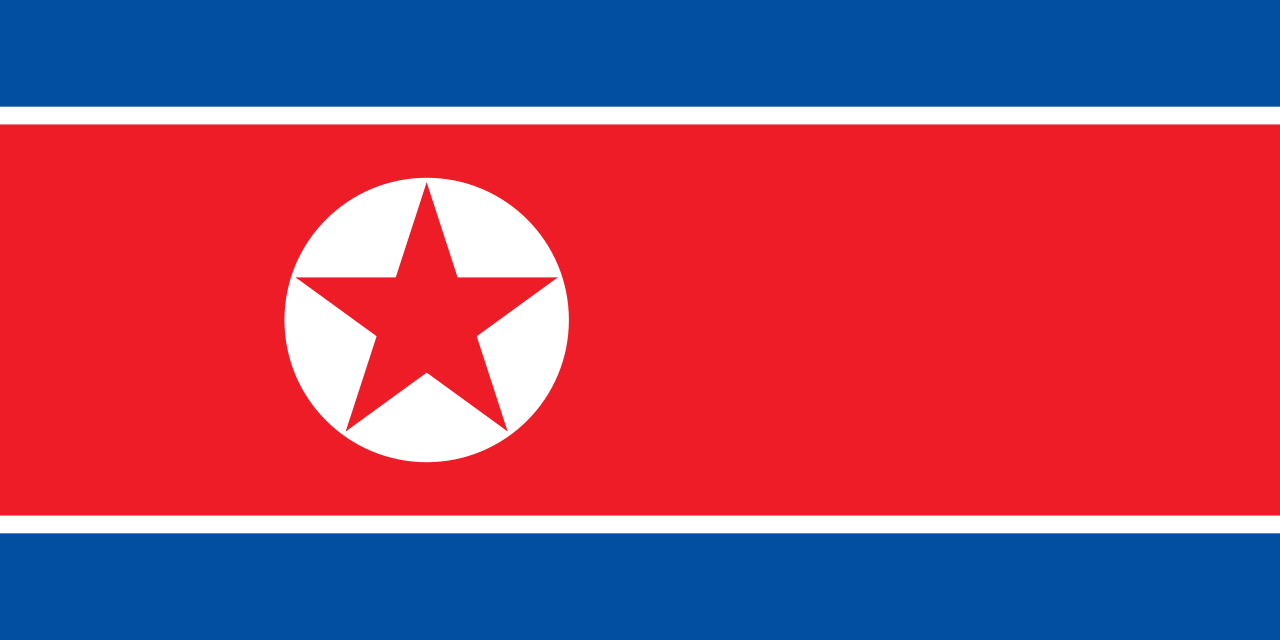
Overview
North Korea, a country shrouded in mystery and intrigue, is a land of stark contrasts. From the gleaming skyscrapers of Pyongyang to the poverty-stricken villages of the countryside, North Korea is a place of contradictions. The country's rugged landscape, with its snow-capped mountains and fertile valleys, has been shaped by a tumultuous history that has left an indelible mark on its people. With a population of approximately 25.7 million, North Korea is a nation of proud and resilient individuals who have learned to adapt to the challenges of living in a country with a highly centralized government and a strict authoritarian regime.Despite its isolation from the rest of the world, North Korea has a rich cultural heritage that reflects its unique history and traditions. The country's capital, Pyongyang, is a city of grandeur and spectacle, with its imposing monuments and ornate architecture. The city is a testament to the country's commitment to socialism and its desire to create a utopian society. However, beneath the surface of this gleaming facade lies a complex web of social and economic issues that have left many North Koreans struggling to survive.
History/Background
North Korea's history dates back to the early 20th century, when the Korean Peninsula was a single country under Japanese rule. The country's modern history began in 1945, when Korea was liberated from Japanese occupation and divided along the 38th parallel into two separate zones, with the Soviet Union controlling the north and the United States controlling the south. In 1948, the Democratic People's Republic of Korea (DPRK) was established in the north, with Kim Il-sung as its first leader. Kim Il-sung's regime was marked by a strict authoritarian style of governance, with a focus on building a socialist society and a strong military.In the 1950s, North Korea became embroiled in the Korean War, a conflict that pitted the country against South Korea and its allies. The war ended in 1953 with the signing of the Armistice Agreement, which established a ceasefire and created the Korean Demilitarized Zone (DMZ). Since then, North Korea has maintained a highly militarized society, with a strong emphasis on national defense and a strict control over the population.


