




**
Overview
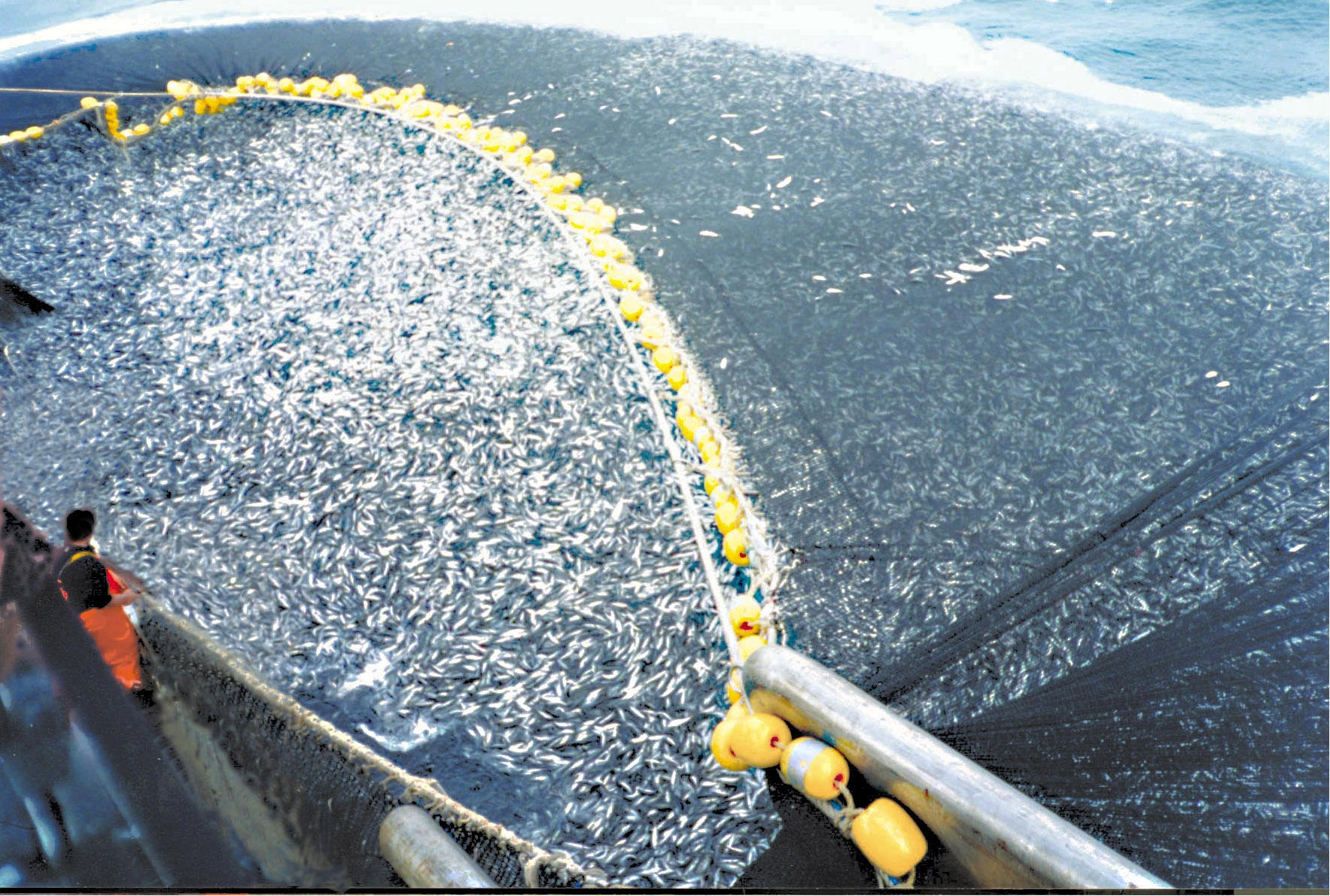
Overfishing occurs when human harvest of fish, crustaceans, mollusks, and other aquatic organisms exceeds the reproductive capacity of those populations. While the practice can happen in any water body—from a backyard pond to the open ocean—the scale and consequences are most pronounced in industrial‑scale commercial fisheries that target high‑value species such as tuna, cod, and shrimp. When extraction outpaces replenishment, the stock’s biomass drops, growth rates slow, and the age structure skews toward younger, smaller individuals. Over time, this can trigger critical depensation, a point where the remaining population cannot sustain itself, leading to local extirpation or even global extinction.The ecological ripple effects are profound. Predatory sharks, for example, are often removed faster than they can reproduce, causing trophic cascades that alter the abundance of prey species and the health of coral reefs and kelp forests. Ecosystem overfishing—the removal of too many species across trophic levels—can degrade habitat complexity, reduce biodiversity, and impair the services that marine environments provide, such as carbon sequestration and nutrient cycling. Beyond the environment, overfishing jeopardizes food security for millions of people who rely on fish as a primary protein source, and it erodes the economic foundations of coastal communities dependent on a thriving fishery.
History/Background
The roots of overfishing trace back to the Industrial Revolution, when steam‑powered vessels and mechanized gear dramatically increased catch efficiency. By the late 19th century, North Atlantic cod stocks were already showing signs of depletion, prompting early scientific inquiries into sustainable yields. The mid‑20th century saw the advent of large‑scale trawlers, purse seines, and later, longline and drift‑net technologies, which amplified harvests to unprecedented levels. Notable milestones include the 1970s “Cod Collapse” off Newfoundland, where a once‑abundant fishery collapsed within a decade, and the 1990s establishment of the United Nations Food and Agriculture Organization (FAO) Code of Conduct for Responsible Fisheries, the first global framework to address overexploitation.In the 2000s, satellite monitoring and DNA barcoding revealed that bycatch—the unintended capture of non‑target species—was often as damaging as direct target overfishing. The 2010s brought heightened awareness of shark finning and its cascading impacts, leading to international bans under CITES and regional fisheries management organizations (RFMOs). Today, climate change compounds the problem, as warming waters shift species distributions, making traditional stock assessments more uncertain and increasing pressure on already stressed fisheries.
Key Information
- Types of overfishing: - Growth overfishing – fish are harvested before they reach optimal size, reducing yield per individual. - Recruitment overfishing – the breeding population is so reduced that insufficient offspring survive to adulthood. - Ecosystem overfishing – removal of too many species across trophic levels, destabilizing the whole marine community. - Global statistics: The FAO estimates that ≈33% of world fish stocks are overfished, with another 60% fished at or near their maximum sustainable yield. - Economic impact: Overfishing costs the global economy $83 billion annually in lost revenue, reduced employment, and increased management expenses. - Conservation tools: Marine Protected Areas (MPAs), catch shares, quota systems, and gear restrictions (e.g., turtle excluder devices) have shown measurable recovery in several case studies, such as the rebound of U.S. Atlantic herring after quota implementation. - Critical depensation: Species like Atlantic cod (Gadus morhua) and Pacific bluefin tuna (Thunnus orientalis) have crossed thresholds where natural recruitment cannot compensate for harvest losses, necessitating drastic rebuilding plans.Significance
Understanding and curbing overfishing matters because marine ecosystems are interconnected lifelines for planetary health. Healthy fish populations regulate algae blooms, support seabird colonies, and sustain the livelihoods of over 200 million people worldwide. The loss of apex predators such as sharks can lead to mesopredator release, where mid‑level species explode, overgrazing kelp forests and diminishing biodiversity. Moreover, fisheries provide cultural identity for countless coastal societies; the collapse of a stock can erode traditions, food sovereignty, and community cohesion.From a policy perspective, overfishing illustrates the challenges of common‑pool resource management—where individual incentives to harvest conflict with collective long‑term sustainability. Successful mitigation requires science‑based quotas, transparent monitoring, and stakeholder participation, aligning ecological limits with economic realities. As climate change reshapes ocean chemistry and temperature, the urgency to adopt adaptive management grows, ensuring that fish stocks remain resilient in a rapidly changing world.
INFOBOX:
- Name: Overfishing
- Type: Environmental Issue / Fisheries Management Problem
- Date: Recognized as a global concern since the 1970s (cod collapse)
- Location: Worldwide (oceans, seas, lakes, rivers, wetlands)
- Known For: Driving marine biodiversity loss, ecosystem disruption, and economic decline in fisheries
TAGS: overfishing, marine conservation, fisheries management, ecosystem collapse, sustainable seafood, biodiversity loss, climate change, marine protected areas


