



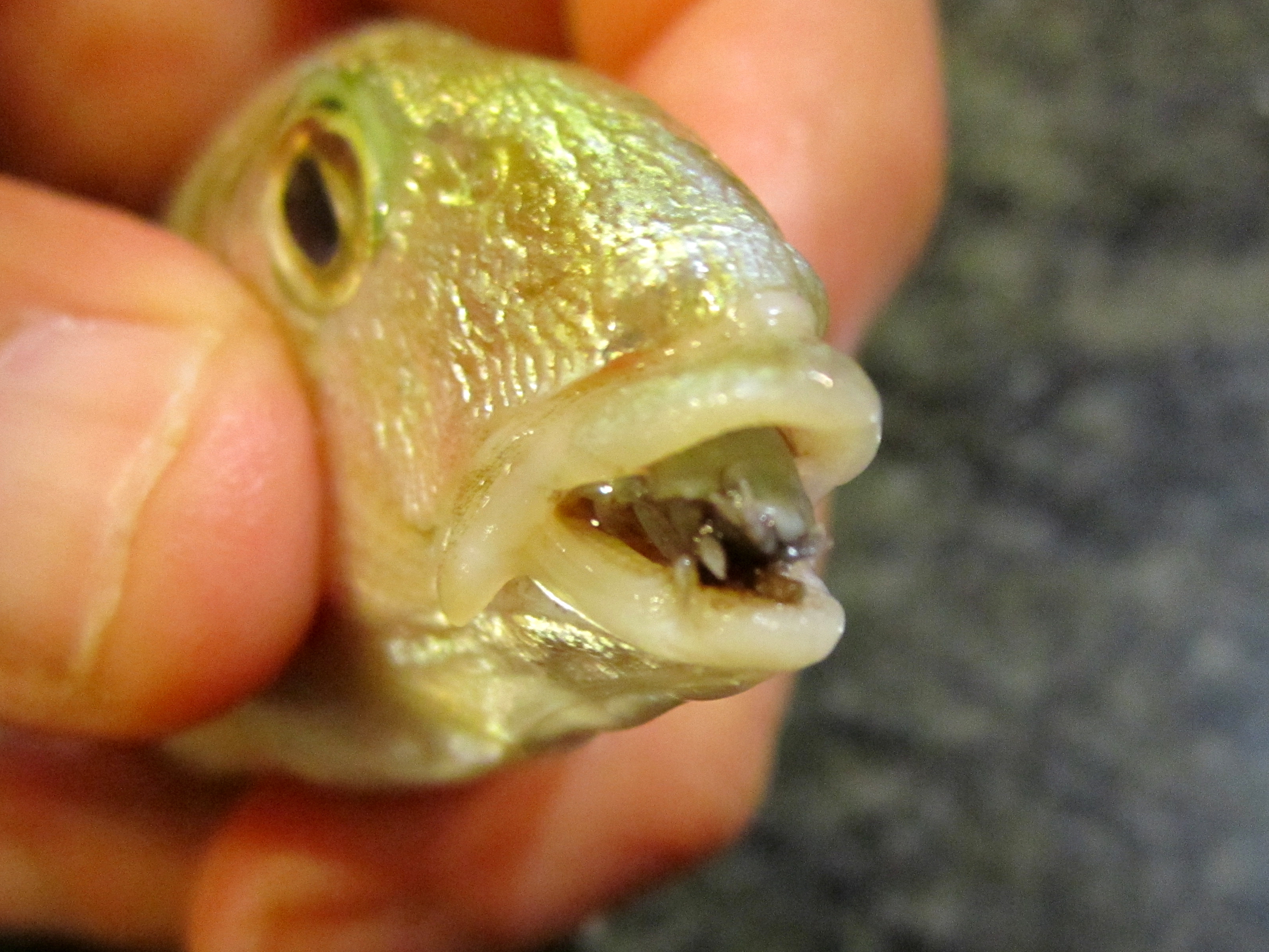

**
Overview
Parasitism pervades every major ecosystem on Earth, linking organisms from the microscopic to the megafaunal. A parasite is structurally and physiologically adapted to a life dependent on another organism, exploiting the host’s resources without providing any obvious benefit. Unlike predators that kill their prey outright, parasites may remain attached to a single host for weeks, months, or even years, subtly draining energy, nutrients, or blood. As E. O. Wilson famously observed, parasites are “predators that eat prey in units of less than one,” a vivid way of emphasizing their minute, incremental consumption.The diversity of parasites is staggering. Protozoans such as Plasmodium spp. (the cause of malaria) and Trypanosoma brucei (sleeping sickness) are single‑celled eukaryotes that invade blood cells or the central nervous system. Metazoan parasites include helminths like hookworms (Ancylostoma duodenale), arthropods such as lice (Pediculus humanus) and mosquitoes (Anopheles spp.), and even mammals like the vampire bat (Desmodus rotundus). Fungal parasites range from the soil‑borne honey fungus (Armillaria spp.) that girdles tree roots to dermatophytes that cause ringworm. Parasitic plants—mistletoe (Viscum album), dodder (Cuscuta spp.), and broomrapes (Orobanche spp.)—tap into host vasculature, siphoning water and sugars. Collectively, parasites represent an estimated 30–50 % of all described species, underscoring their evolutionary success.
Parasitic strategies are finely tuned. Many possess specialized attachment organs (hooks, suckers, haustoria), immune‑modulating secretions, and life cycles that involve multiple hosts or environmental stages. For instance, the malaria parasite undergoes a complex 10‑day development inside the Anopheles mosquito before becoming infectious to humans, illustrating how parasites can intertwine the fates of very different species.
History/Background
The scientific study of parasitism dates back to antiquity; Hippocrates (c. 460 BC) described “blood‑sucking insects,” and the Roman physician Galen noted intestinal worms in autopsies. However, the modern discipline emerged in the 19th century with the invention of the microscope. In 1855, French physician Charles‑Louis Alphonse Laveran identified the malaria parasite in a patient’s blood, earning the first Nobel Prize in Physiology or Medicine for a parasitologist (1907). The late 1800s saw the discovery of the life cycles of Schistosoma (blood flukes) and Taenia (tapeworms), linking human disease to specific intermediate hosts.The 20th century brought systematic classification. In 1910, parasitologist Sir Ronald Ross demonstrated that mosquitoes transmit malaria, a breakthrough that earned him the 1902 Nobel Prize and catalized vector control programs. The post‑World War II era saw the rise of medical parasitology as a distinct field, with the World Health Organization (WHO) launching the Global Malaria Eradication Programme in 1955. Although the program faltered by the early 1970s, it spurred massive drug‑development efforts, including the synthesis of chloroquine (1946) and later artemisinin (1972, China).
Ecological parasitology blossomed in the 1970s, driven by the work of E. O. Wilson and others who framed parasites as key regulators of population dynamics. By the 1990s, molecular tools (PCR, genome sequencing) revealed the genetic underpinnings of host‑parasite coevolution, leading to the concept of the Red Queen hypothesis—hosts and parasites must constantly adapt just to maintain their status quo.
Key Information
- Diversity: > 150 000 helminth species, > 1 000 protozoan parasites, and thousands of parasitic fungi and plants. - Human impact: Approximately 445 000 deaths per year are attributed to parasitic diseases (WHO, 2022), with malaria alone causing ~ 627 000 deaths in 2021. - Economic burden: Parasitic infections cost the global economy an estimated US $12 billion annually in lost productivity and healthcare. - Life‑cycle complexity: Many parasites require two or more hosts; for example, Schistosoma mansoni uses freshwater snails and humans. - Adaptations: Specialized structures (e.g., the hook of Dicrocoelium dendriticum), immunomodulatory proteins (e.g., ES‑62 from filarial worms), and cryptic coloration to avoid detection. - Control strategies: Vector control (insecticide‑treated nets, indoor residual spraying), chemoprophylaxis (e.g., ivermectin for onchocerciasis), and vaccines (RTS,S/AS01 malaria vaccine, approved 2015). - Ecological role: Parasites can increase biodiversity by preventing any one species from dominating, a phenomenon documented in tropical rainforest canopies where parasitic plants reduce tree dominance.Significance
Understanding parasitism is crucial for public health, agriculture, and conservation. Parasites are leading causes of morbidity in low‑income regions, shaping demographic trends and limiting economic development. In agriculture, parasitic nematodes devastate crops—Meloidogyne spp. cause up to $125 billion in losses worldwide each year. Conversely, parasites can serve as bio‑indicators of ecosystem health; a decline in parasite diversity often signals habitat degradation.From an evolutionary perspective, parasites drive genetic innovation. Host immune systems evolve novel defenses, while parasites evolve counter‑defenses, fueling a molecular arms race that enriches the tree of life. Moreover, parasite‑derived molecules have become pharmaceutical leads: the anticoagulant hirudin from leech saliva and the immunosuppressant cyclosporine (originally from a soil fungus) illustrate how parasitic biology can translate into life‑saving medicines.
Finally, parasitism challenges our ethical frameworks. The manipulation of parasite genomes (e.g., gene‑drive mosquitoes) raises questions about ecological responsibility. As climate change expands the range of many vectors, the future burden of parasitic diseases may rise, demanding interdisciplinary solutions that blend ecology, medicine, and policy.
INFOBOX:
- Name: Parasitism
- Type: Biological interaction (symbiosis)
- Date: Concept formalized in the 19th century (1855 – discovery of Plasmodium)
- Location: Global (present in terrestrial, freshwater, and marine ecosystems)
- Known For: Host‑exploiting relationships causing disease, ecological regulation, and evolutionary pressure
TAGS: parasitology, symbiosis, infectious disease, ecology, evolutionary biology, vector control, host‑parasite coevolution, biodiversity



