
History Editor
Overview
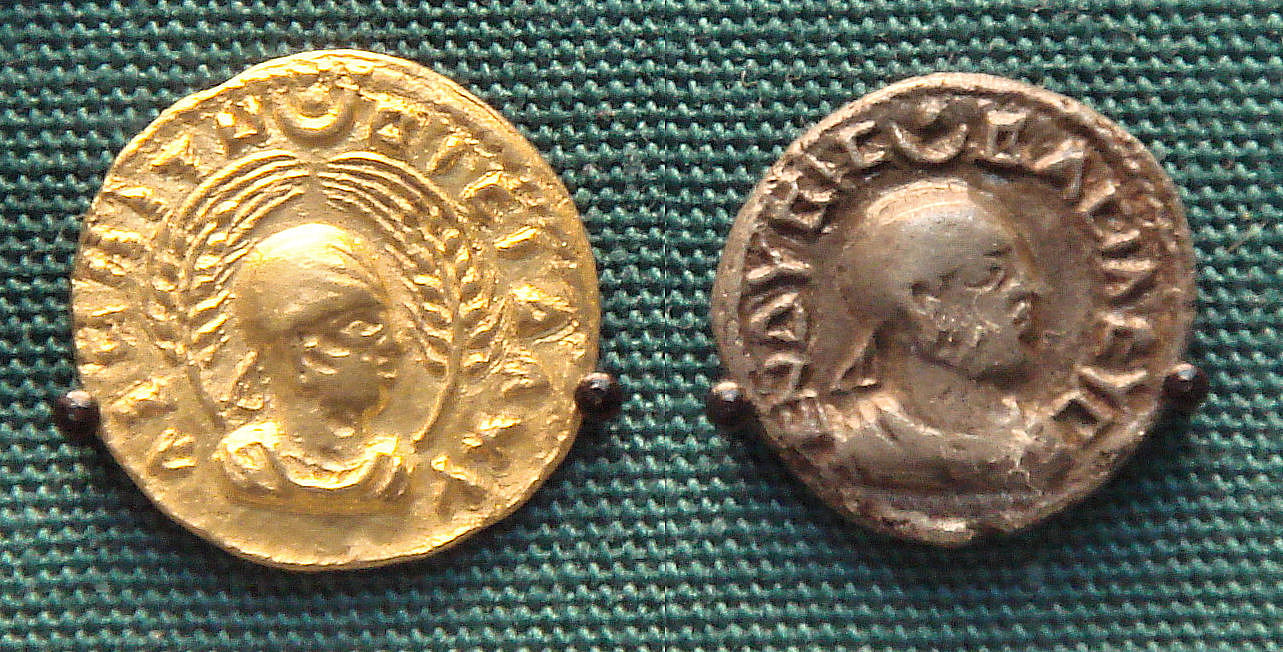
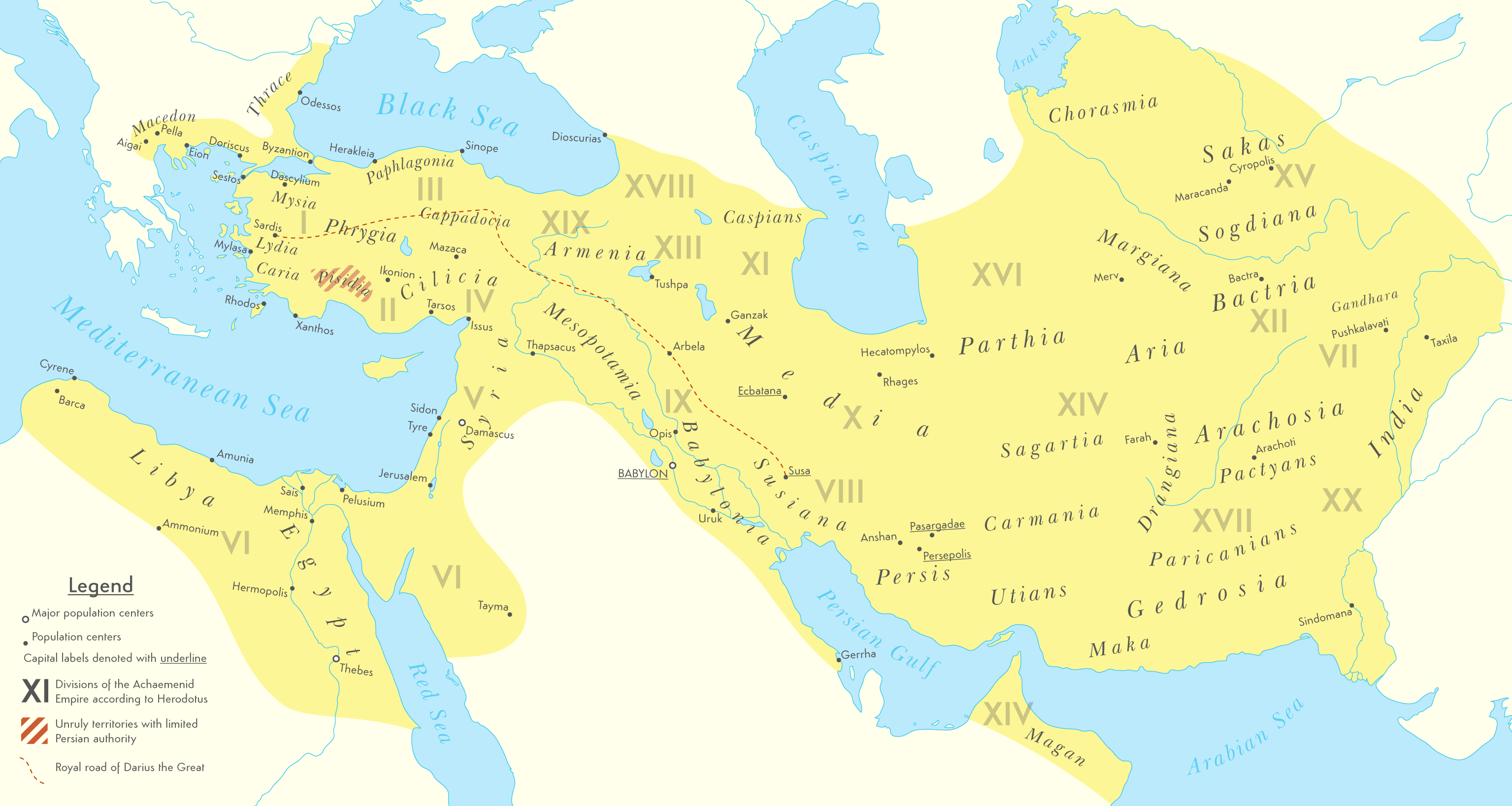
Stretching from the Aegean to the Hindu Kush, the Achaemenid Persian Empire was the first truly global power, governing roughly 5.5 million km²—over 40 % of the world’s population at the time—through a blend of military might and unprecedented administrative tolerance. Its kings styled themselves not merely conquerors but “King of Kings” (Xšāyaθiya Xšāyaθiyānām), ruling dozens of ethnicities while respecting local laws, gods, and traditions. The empire’s postal roads, standardized weights, silver currency (the daric), and monumental capitals at Pasargadae, Persepolis, and Susa became symbols of cosmopolitan splendor that awed even hostile Greek observers. Though Alexander the Great toppled the Achaemenids in 330 BCE, Persian institutions, art, and ideology reverberated through subsequent Hellenistic, Parthian, and Sasanian realms, ensuring that “Persia” remained shorthand for imperial grandeur down to the present day.Background
The rise begins on the Iranian plateau, where semi-nomadic Persian tribes, vassals of the Median kingdom, coalesced around the clan of Achaemenes. In 550 BCE Cyrus II “the Great” revolted against his Median overlord Astyages, absorbed the Median domains, and within two decades added Lydia (546) and Babylon (539). Cyrus’ genius lay in presenting conquest as liberation: his famous Cylinder, deposited in Babylon’s foundations, proclaims the restoration of deported peoples and cult statues. Successive kings—Cambyses, Darius, Xerxes—extended frontiers to the Indus, the Jaxartes (Syr-Darya), and the Nile, while codifying provincial rule through satrapies and royal inspectors (“the King’s Eyes”). Repeated Graeco-Persian wars (499–479 BCE) fixed the empire’s northwestern limit at the Aegean, but also stimulated administrative reforms and monumental building designed to advertise imperial legitimacy.Key Facts
• 550 BCE – Cyrus defeats Astyages; Achaemenid Empire founded • 539 BCE – Fall of Babylon; Jews allowed return to Jerusalem • 522–486 BCE – Reign of Darius I; empire divided into ~20 satrapies; Royal Road (2,500 km) built from Sardis to Susa • 518 BCE – Canal of the Pharaohs completed, linking Nile to Red Sea • 490 & 480 BCE – Battles of Marathon, Thermopylae, Salamis; Persia fails to subjugate mainland Greece • 404 & 343 BCE – Egypt temporarily regains, then loses independence • 330 BCE – Alexander burns Persepolis; last king Darius III killed; empire dissolved • Population: est. 10–15 million subjects; army at peak fielded 300,000 men from 30 ethnic contingents • Currency: 1 daric ≈ 1 month’s pay for a skilled worker; satrapal tribute ~14,600 Euboean talents/year (Herodotus)Impact
The Achaemenids pioneered the model of a multicultural, rule-of-law empire. Aramaic became the common written language of administration from Afghanistan to Memphis, foreshadowing later lingua francas like Greek, Latin, or Arabic. The empire’s satrapal system—balancing central decree with local autonomy—directly inspired the Seleucid, Parthian, and Sasanian polities, and, via the Achaemenid postal service, Herodotus’ famous dictum that “neither snow nor rain…” describes the royal couriers. Zoroastrian concepts of truth (Aša) and cosmic kingship infused later Jewish, Christian, and Islamic ideas of divine justice. Architecturally, the hypostyle halls of Persepolis prefigure the apadana audience palaces of Parthian and Sasanian kings, themselves templates for Islamic iwans. Even after 330 BCE, Alexander’s generals adopted Persian dress, court ceremonial, and the title “Great King,” ensuring that Persian idioms of power echoed through Hellenistic, Roman, and Byzantine courts. In modern Iran, Cyrus remains a nationalist icon; his tomb at Pasargadae is a UNESCO site and annual gathering place on “Cyrus the Great Day,” testimony to an empire whose legacy still shapes debates about governance, identity, and coexistence across the Middle East and beyond.
Tip: double-click any word in this article for an instant definition from the NerdDictionary.