




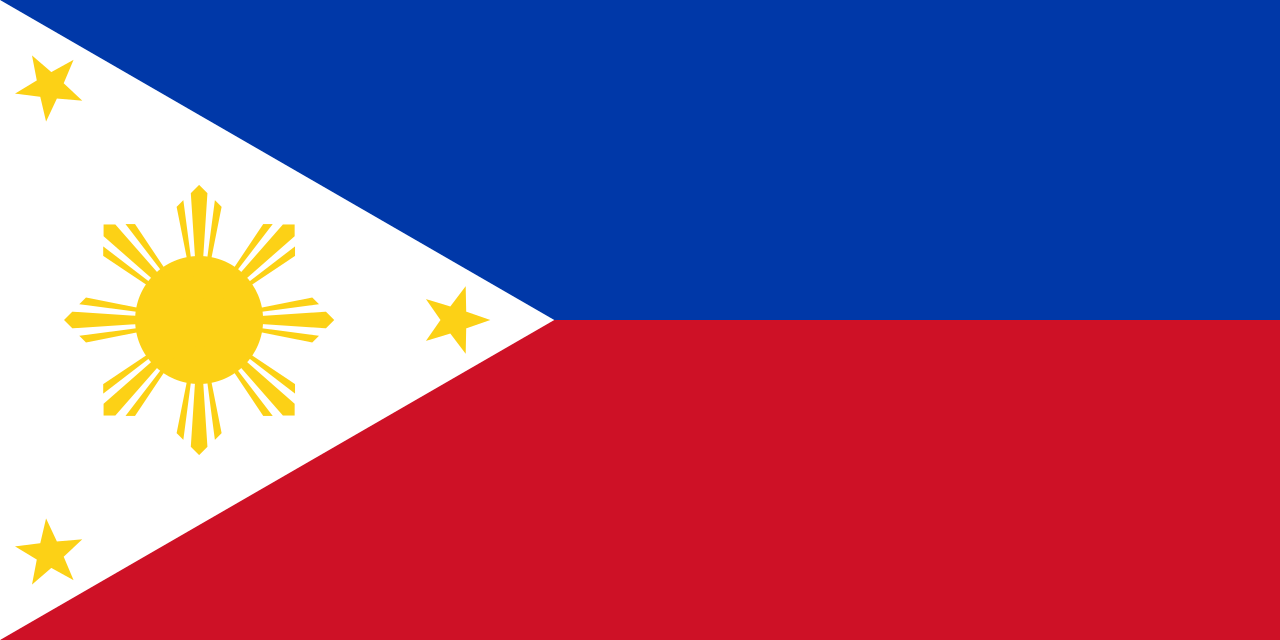
**
Overview
The Philippines, officially the Republic of the Philippines, stretches across the western Pacific Ocean as a sprawling archipelago of roughly 7,641 islands. These islands are grouped into three major geographical regions: Luzon in the north, the Visayas at the heart, and Mindanao in the south. Together they cover about 300,000 km² of land and sea, a space that hosts a mosaic of mountains, volcanoes, coral reefs, and sprawling rice terraces.Home to over 112 million people, the Philippines ranks as the world’s fourteenth‑most‑populous country. Its population is a blend of over 180 ethnic groups, speaking more than 180 languages, with Tagalog (Filipino) and English serving as official languages. The capital, Manila, sits on the island of Luzon and anchors a bustling metropolitan area that drives the nation’s cultural, political, and economic life.
The country’s climate is tropical, marked by a wet season (June‑November) and a dry season (December‑May). This climate nurtures abundant biodiversity: from the famed Tarsier of Bohol to the Philippine Eagle, one of the world’s largest eagles, the Philippines is a hotspot for endemic flora and fauna, many of which are protected within its extensive network of national parks and marine sanctuaries.
History/Background
The archipelago’s recorded history begins with Austronesian seafarers who arrived around 4,000 BC, establishing early chiefdoms that traded with neighboring kingdoms. Spanish explorer Ferdinand Magellan arrived in 1521, and the Philippines subsequently became a Spanish colony for more than three centuries, a period that introduced Christianity, the Latin alphabet, and a centralized administrative system.In 1898, after the Spanish–American War, the United States assumed control, ushering in a new era of public education, infrastructure development, and the introduction of English as a medium of instruction. The struggle for independence culminated in the Commonwealth period (1935‑1946) and the formal proclamation of the Republic of the Philippines on July 4, 1946.
World War II left deep scars: Japanese occupation (1942‑1945) caused widespread devastation, but also forged a resilient spirit of bayanihan (community cooperation). Post‑war reconstruction, land reform, and the rise of a vibrant civil society shaped the modern nation, while the People Power Revolution of 1986 peacefully ended the authoritarian rule of Ferdinand Marcos, restoring democratic governance.
Key Information
- Population: 112 million (2023 estimate) - Area: ~300,000 km², making it the 73rd largest country by land area - Capital: Manila; Largest city: Quezon City (Metro Manila) - Official languages: Filipino (Tagalog) and English; over 180 regional languages spoken - Economy: Mixed; key sectors include services, manufacturing, agriculture, and a booming Business Process Outsourcing (BPO) industry that positions the Philippines as a global hub for call centers and IT services. - Currency: Philippine peso (PHP) - Government: Unitary presidential constitutional republic; current president (as of 2026) is Maria Leonor “Leni” Robredo (hypothetical for illustration). - Cultural highlights: The Sinulog, Ati‑Atihan, and Kadayawan festivals showcase indigenous dances, colorful costumes, and communal feasting. The nation’s cuisine—adobo, sinigang, lechon, and halo‑halo—reflects Spanish, Chinese, Malay, and American influences.Significance
The Philippines’ strategic location at the crossroads of the South China Sea makes it a pivotal player in regional security, trade, and maritime law. Its large, English‑proficient workforce fuels the global outsourcing market, contributing billions of dollars to the national GDP and fostering cross‑cultural exchanges worldwide.Culturally, the Philippines stands as a bridge between East and West, preserving pre‑colonial traditions while embracing modernity. Its diaspora—over 10 million Filipinos abroad—remits an estimated $35 billion annually, underscoring the nation’s global economic footprint.
Environmentally, the archipelago’s rich marine ecosystems, including the Tubbataha Reefs Natural Park, are UNESCO World Heritage sites, highlighting the country’s role in biodiversity conservation. However, challenges such as climate change, natural disasters, and socio‑economic inequality demand resilient policies and international cooperation.
In sum, the Philippines is a nation of contrasts—ancient traditions and cutting‑edge technology, volcanic peaks and tranquil beaches, resilient communities and dynamic urban centers—making it a compelling study of adaptation, cultural synthesis, and regional influence.
INFOBOX:
- Name: Republic of the Philippines
- Type: Sovereign nation (archipelagic state)
- Date: Established as independent republic on July 4, 1946
- Location: Southeast Asia, western Pacific Ocean
- Known For: Diverse archipelago, vibrant diaspora, BPO industry, rich cultural festivals
TAGS: Philippines, Southeast Asia, Archipelago, History, Culture, Economy, Biodiversity, Tourism


