Overview
The Phoenicians were not a unified nation but a loose constellation of Semitic-speaking ports—Tyre, Sidon, Byblos, and Arwad foremost—that flourished along the narrow coastal strip of modern Lebanon between c. 1200 and 332 BCE. Lacking hinterland and arable land, they turned to the sea, perfecting ship-building, celestial navigation, and commercial law. Their mercantile energy carried cedar, glass, Tyrian-purple cloth, and ideas from Cyprus to the Atlantic, while their most revolutionary export, the phonetic alphabet, became the ancestor of Greek, Latin, and most modern scripts.Politically fragmented yet culturally cohesive, Phoenician city-states were governed by merchant-kings and assemblies of elders. They never formed an empire, preferring to negotiate trading privileges, found way-stations, and intermarry with local elites. This pragmatic cosmopolitanism allowed them to survive Assyrian, Babylonian, and Persian domination, paying tribute while retaining autonomy. Only Alexander’s siege of Tyre in 332 BCE ended their independence, but Punic (western Phoenician) cities such as Carthage perpetuated their heritage for centuries more.
History/Background
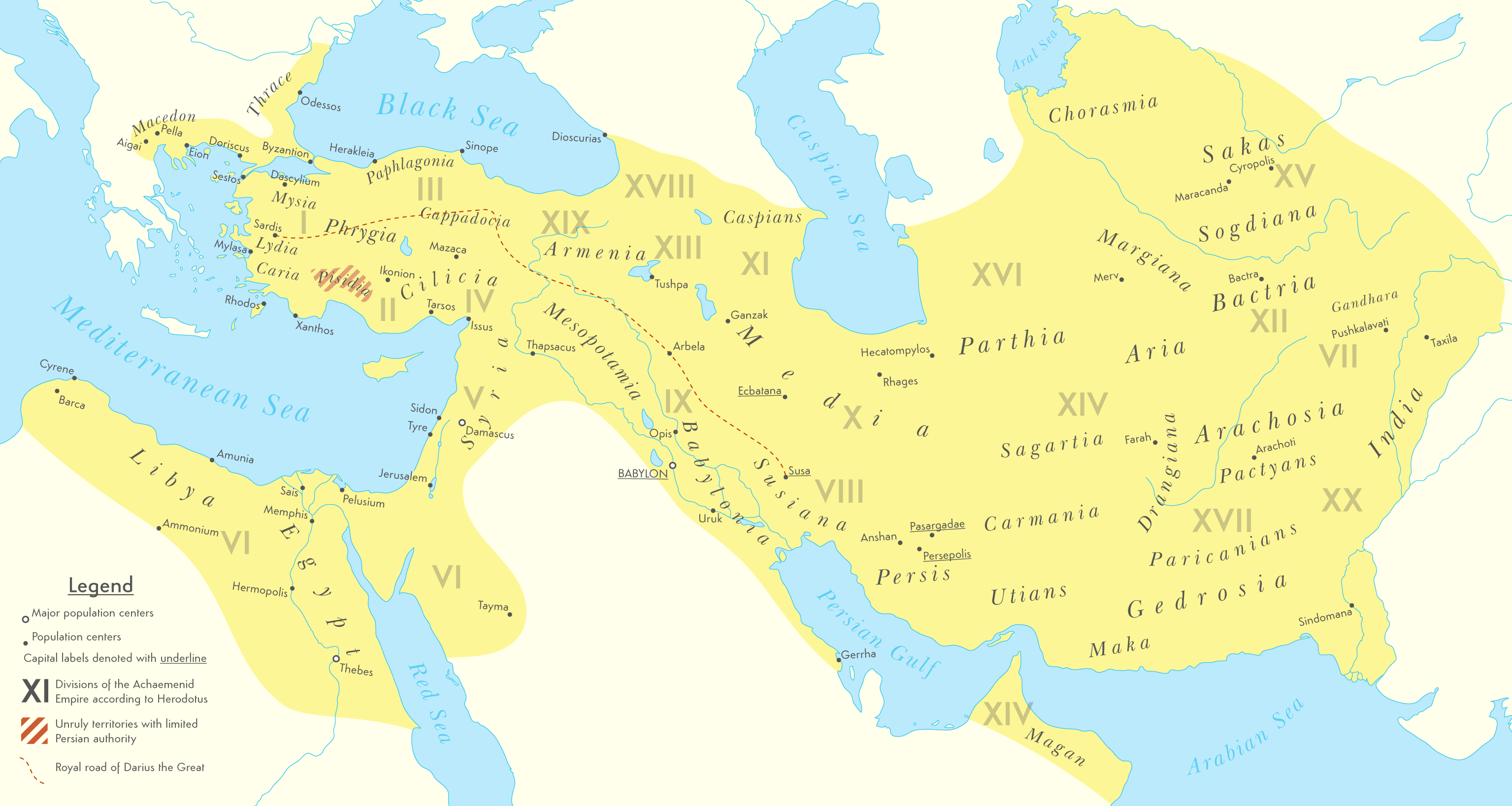
Emerging from the Late-Bronze-Age Canaanite culture after 1200 BCE, the Phoenicians filled the commercial vacuum left by the collapsed Mycenaean and Hittite palatial systems. Egyptian and Hittite texts already mention “Kefitu” and “Kinahhu” ports exporting cedar and papyrus; by 1000 BCE these ports were calling themselves “Canaanite” or “Phoenician” (from Greek phoinix, “purple”).Key milestones include: Hiram I of Tyre (c. 969–936 BCE) who supplied timber and craftsmen for Solomon’s Temple; the 8th-century Assyrian tribute lists that first label them “Phoenicians”; the founding of Carthage (trad. 814 BCE); the 6th-century Persian organization of the coast as the satrapy of “Beyond the River”; and Alexander’s seven-month siege of insular Tyre (332 BCE) that terminated their political autonomy. Under Hellenistic, Roman, and Byzantine rule the cities remained prosperous, but “Phoenicia” gradually became a geographic rather than ethnic term.
Key Information
- Alphabet & Literacy: Around 1050 BCE the Phoenicians condensed the 22-letter West-Semitic abjad into a user-friendly script without vowels. Adopted by Arameans, Hebrews, Greeks, and Etruscans, it democratized writing and accelerated record-keeping for commerce.- Maritime Technology: Their gauloi—broad-beamed merchantmen up to 30 m long—featured mortise-and-tenon joinery, waterproof pitch, and square-rigged sails. Phoenician helmsmen compiled periploi (coastal pilots) and may have reached the Azores and West Africa; Carthaginian captain Hanno’s 5th-century BCE voyage down the Moroccan coast is still extant on a Greek translation.
- Purple Dye & Glass: Extracted from murex shellfish, Tyrian purple required 10,000 mollusks per gram of dye, making it worth more than its weight in silver. Phoenician artisans also invented transparent glass by adding antimony, dominating luxury markets from Nineveh to Tartessos.
- Colonial Network: Between 900 and 600 BCE they planted anchorages—often just beaches with a shrine and warehouse—that matured into cities: Cyprus (Kition), North Africa (Utica, Carthage), Sicily (Motya, Panormus), Sardinia (Tharros, Nora), southern Spain (Gadir/Cádiz). These nodes controlled access to Iberian silver, British tin, and Atlantic tuna.
- Religion & Cultural Syncretism: Head deities were Baʿal (storm) and Astarte (fertility), worshipped on hilltop bamot (high places) via sacrifice and, occasionally, royal cremation. Phoenician craftsmen fused Egyptian, Assyrian, and Aegean motifs into a distinctive cosmopolitan art—ivory plaques, bronze bowls, and anthropoid sarcophagi—that influenced both Israelite and Greco-Roman aesthetics.