




Overview
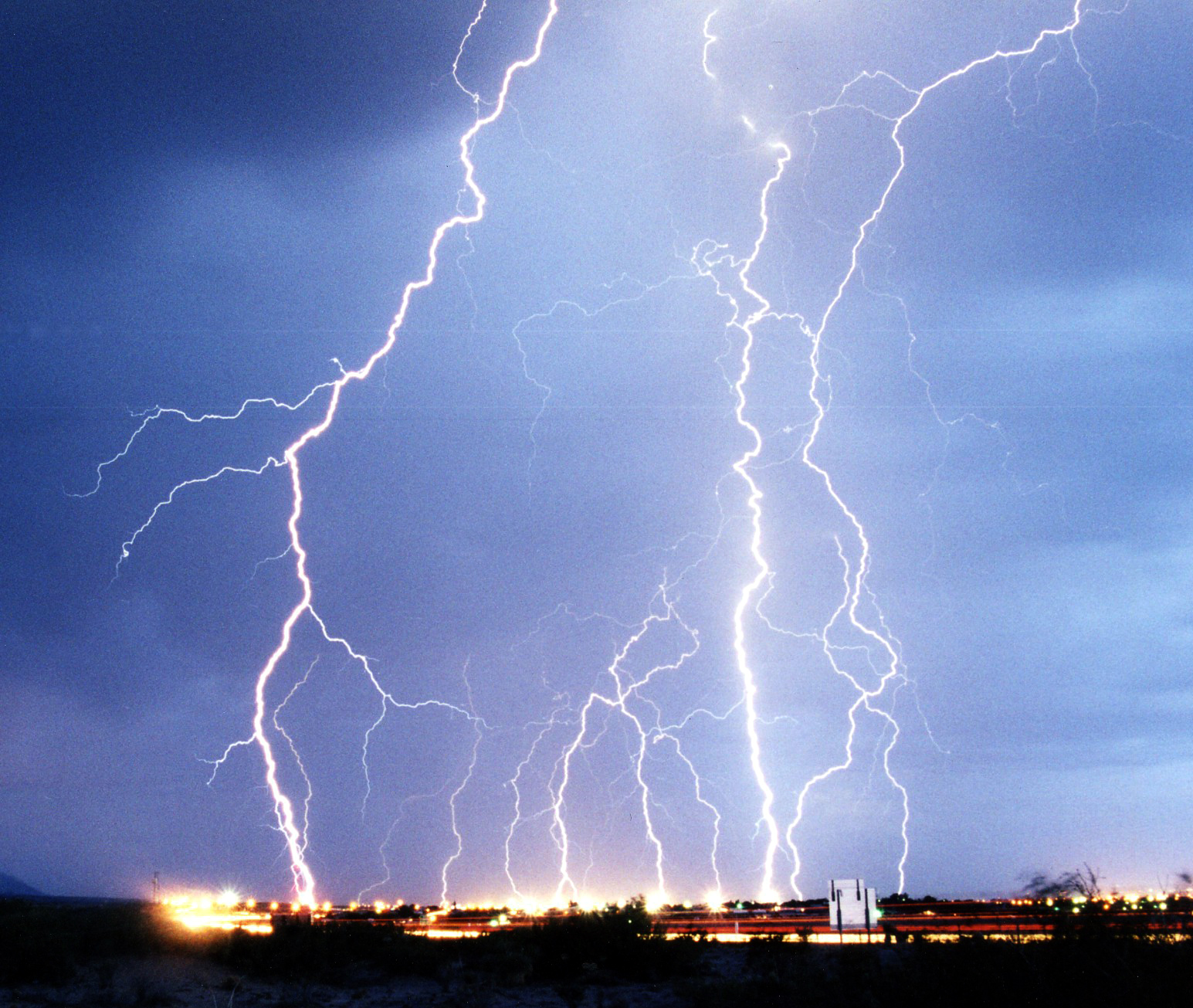
Plasma, often called the fourth state of matter, is a high-energy state formed when a gas becomes ionized—its atoms or molecules lose or gain electrons, creating a mix of free electrons, ions, and neutral particles. Unlike solids, liquids, or gases, plasmas exhibit collective behavior driven by electromagnetic forces, making them highly conductive and responsive to magnetic fields. Though rare on Earth’s surface, plasma constitutes 99.9% of the observable universe, dominating stars, interstellar space, and galactic clusters. Artificial plasmas are generated in neon lights, plasma TVs, fusion reactors, and semiconductor manufacturing.Plasmas exist in two primary forms: fully ionized (all particles charged, as in stars) and partially ionized (mixed with neutral particles, like Earth’s auroras). Their properties depend on temperature, density, and magnetic field strength. For example, the Sun’s core reaches 15 million Kelvin, while laboratory plasmas in fusion experiments operate at 100–150 million Kelvin to replicate stellar conditions.
History/Background
The concept of plasma emerged in the early 20th century. In 1928, American physicist Irving Langmuir coined the term “plasma” after observing similarities between ionized gases and blood plasma’s structured fluidity. Earlier, in 1879, William Crookes had studied cathode rays, laying groundwork for plasma research. The field advanced rapidly during the Cold War, driven by nuclear fusion ambitions and space exploration. In 1952, the first controlled thermonuclear experiment, Operation Greenhouse, tested plasma behavior under extreme conditions.Modern plasma physics gained momentum in the 1960s with the development of tokamak reactors in the Soviet Union, designed to harness fusion energy. The 1980s saw breakthroughs in laser-driven inertial confinement fusion, while space missions like NASA’s Pioneer and Voyager probes revealed plasma’s role in solar winds and planetary magnetospheres.




