




Plitvice Lakes
SUMMARY: Plitvice Lakes National Park is a breathtakingly beautiful and ecologically significant national park in Croatia, renowned for its 16 interconnected lakes, waterfalls, and lush vegetation.
Overview
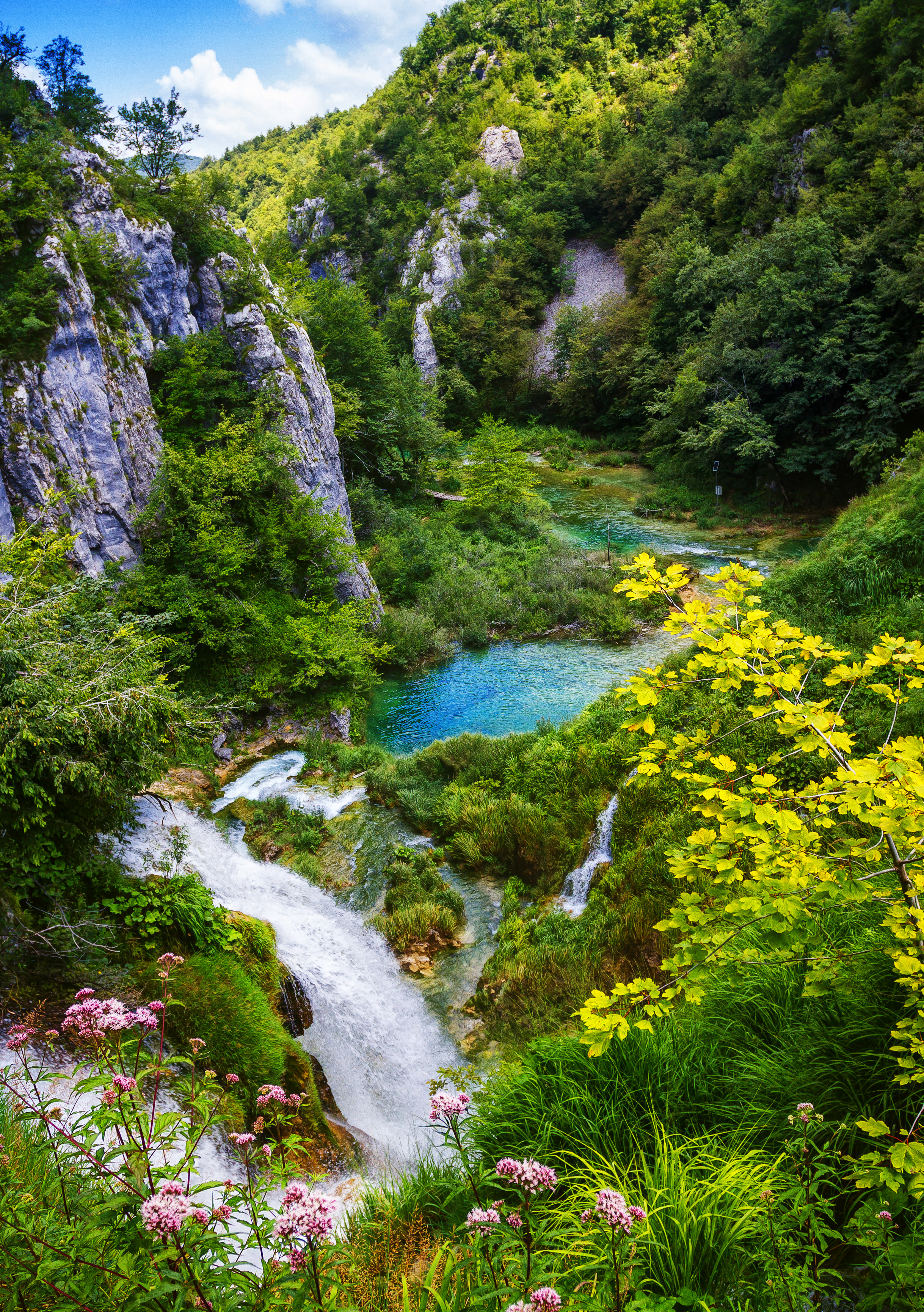
Located in central Croatia, Plitvice Lakes National Park is a natural wonder that has captivated visitors for centuries. The park's stunning landscape is characterized by a series of 16 turquoise lakes, cascading waterfalls, and lush vegetation, creating a breathtakingly beautiful and serene atmosphere. The lakes are connected by a series of travertine barriers, formed by the accumulation of calcium carbonate from the water, which creates a unique and picturesque landscape. The park's diverse flora and fauna, including over 1,000 species of plants and animals, add to its natural beauty and ecological significance.
As one of the oldest and largest national parks in Croatia, Plitvice Lakes National Park has been a protected area since 1949. The park's unique landscape and biodiversity have made it a popular destination for tourists, with over 1 million visitors per year. The park's infrastructure has been carefully designed to minimize its impact on the environment, with walking trails, boardwalks, and observation decks allowing visitors to experience the park's natural beauty without disrupting the ecosystem.
History/Background
The history of Plitvice Lakes National Park dates back to the last ice age, when the area was covered by a massive glacier. As the glacier retreated, it left behind a series of lakes and waterfalls, which were formed by the movement of water and the accumulation of calcium carbonate. The park's unique landscape has been shaped by thousands of years of geological activity, including the movement of tectonic plates and the erosion of the surrounding rock.
The park's human history dates back to the Stone Age, with evidence of human habitation found in the form of ancient tools and artifacts. The park was also an important site for the ancient Romans, who used the area for its natural resources and strategic location. In the Middle Ages, the park was a popular destination for pilgrims and travelers, who were drawn to its natural beauty and spiritual significance.
Key Information
- Location: Plitvice Lakes National Park is located in central Croatia, approximately 130 km south of Zagreb.
- Area: The park covers an area of 296.85 km², making it one of the largest national parks in Croatia.
- Population: The park has a population of approximately 100 people, who live in the nearby town of Plitvice Lakes.
- UNESCO World Heritage Site: Plitvice Lakes National Park was inscribed on the UNESCO World Heritage list in 1979, for its outstanding and picturesque series of tufa lakes, caves, and connected waterfalls.
- National Park: The park was established as a national park in 1949, making it one of the oldest national parks in Croatia.
- Tourism: The park attracts over 1 million visitors per year, making it one of the most popular tourist destinations in Croatia.
Significance
Plitvice Lakes National Park is significant for its natural beauty, ecological importance, and cultural heritage. The park's unique landscape and biodiversity make it an important site for scientific research and conservation efforts. The park's cultural significance is also evident in its history and spiritual importance, which have been recognized by UNESCO and other international organizations.
The park's significance extends beyond its natural and cultural importance, as it also has economic and social significance for the local community. The park provides employment opportunities for local residents and generates revenue through tourism, which is an important contributor to the local economy.
INFOBOX:
- Name: Plitvice Lakes National Park
- Type: National Park
- Date: 1949 (established as a national park)
- Location: Central Croatia
- Known For: Outstanding and picturesque series of tufa lakes, caves, and connected waterfalls
TAGS: National Park, UNESCO World Heritage Site, Croatia, Tourism, Ecology, Biodiversity, Cultural Heritage, Natural Beauty.


