




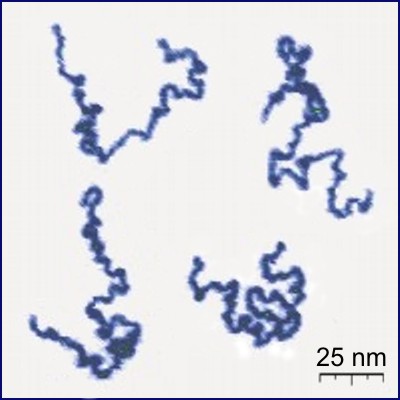
Overview
Polymers are macromolecules composed of repeating monomer units, forming materials as diverse as DNA, nylon, and rubber. Their unique properties—toughness, elasticity, and viscoelasticity—make them indispensable. Natural polymers like cellulose (found in plant cell walls) and keratin (in hair and nails) have existed for millennia, while synthetic polymers, such as polyethylene and polyester, emerged in the 20th century. Today, polymers constitute 38% of global oil consumption (as of 2023), underscoring their economic and environmental impact.Synthetic polymers transformed industries: Bakelite, invented in 1907, became the first fully synthetic plastic, enabling mass production of electrical components. Meanwhile, Kevlar, developed in 1965, is 500 times stronger than steel by weight, used in bulletproof vests. Polymers also drive biotechnology: DNA, a biopolymer, stores genetic codes, while hydrogels revolutionize medical devices like contact lenses.
Background & Origins
The concept of polymers evolved from ancient use of natural materials. Rubber, derived from latex, was used by Mesoamerican cultures as early as 1600 BCE. In 1839, Charles Goodyear accidentally discovered vulcanization, hardening rubber with sulfur—a breakthrough that industrialized the material.The modern understanding began with Hermann Staudinger, a German chemist who, in 1920, proposed that polymers were long-chain molecules rather than aggregates of small molecules. This challenged prevailing theories and earned him the Nobel Prize in Chemistry (1953). Earlier, in 1869, John Wesley Hyatt created celluloid, the first synthetic polymer, by modifying cellulose to make early photographic film and billiard balls.
Major Achievements & Milestones
Bakelite Synthesis (1907): Leo Baekeland patented Bakelite, the first synthetic thermoset plastic, by combining phenol and formaldehyde. Its heat resistance made it ideal for electrical insulators, sparking the plastics era.Staudinger’s Nobel Prize (1953): Recognized for proving polymers are long-chain molecules, laying the foundation for polymer chemistry. His work enabled the rational design of synthetic polymers.
Kevlar Development (1965): Stephanie Kwolek, a DuPont chemist, discovered a liquid crystal polymer solution that, when spun, created Kevlar. Its strength-to-weight ratio revolutionized protective gear and aerospace engineering.
Timeline
- 1600 BCE: Ancient Mesoamericans use natural rubber. - 1839: Charles Goodyear invents vulcanization. - 1907: Leo Baekeland patents Bakelite. - 1920: Hermann Staudinger proposes the macromolecule theory. - 1953: Staudinger awarded the Nobel Prize for polymer chemistry. - 1965: Kevlar developed by Stephanie Kwolek.Impact & Legacy
Polymers underpin modern civilization. Plastics alone constitute 400+ million tons produced annually (2023), used in packaging, construction, and technology. However, their environmental toll—microplastics in oceans and landfills—has spurred innovations in biodegradable polymers like polylactic acid (PLA).In medicine, polymers enable drug delivery systems and tissue engineering. For example, polyethylene terephthalate (PET) is used in MRI machines, while polyurethane forms artificial heart valves. The field also drives sustainability: mycelium-based polymers and alginate from seaweed offer eco-friendly alternatives.
Records & Notable Facts
- The most produced polymer is polyethylene, with 100 million tons manufactured yearly. - Spider silk is five times stronger than steel by weight, inspiring biomimetic polymer research. - DNA, a polymer of nucleotides, contains ~3 billion base pairs in humans.> “The future belongs to polymers.” – Paul Flory, 1974 Nobel laureate in Chemistry.




