Overview
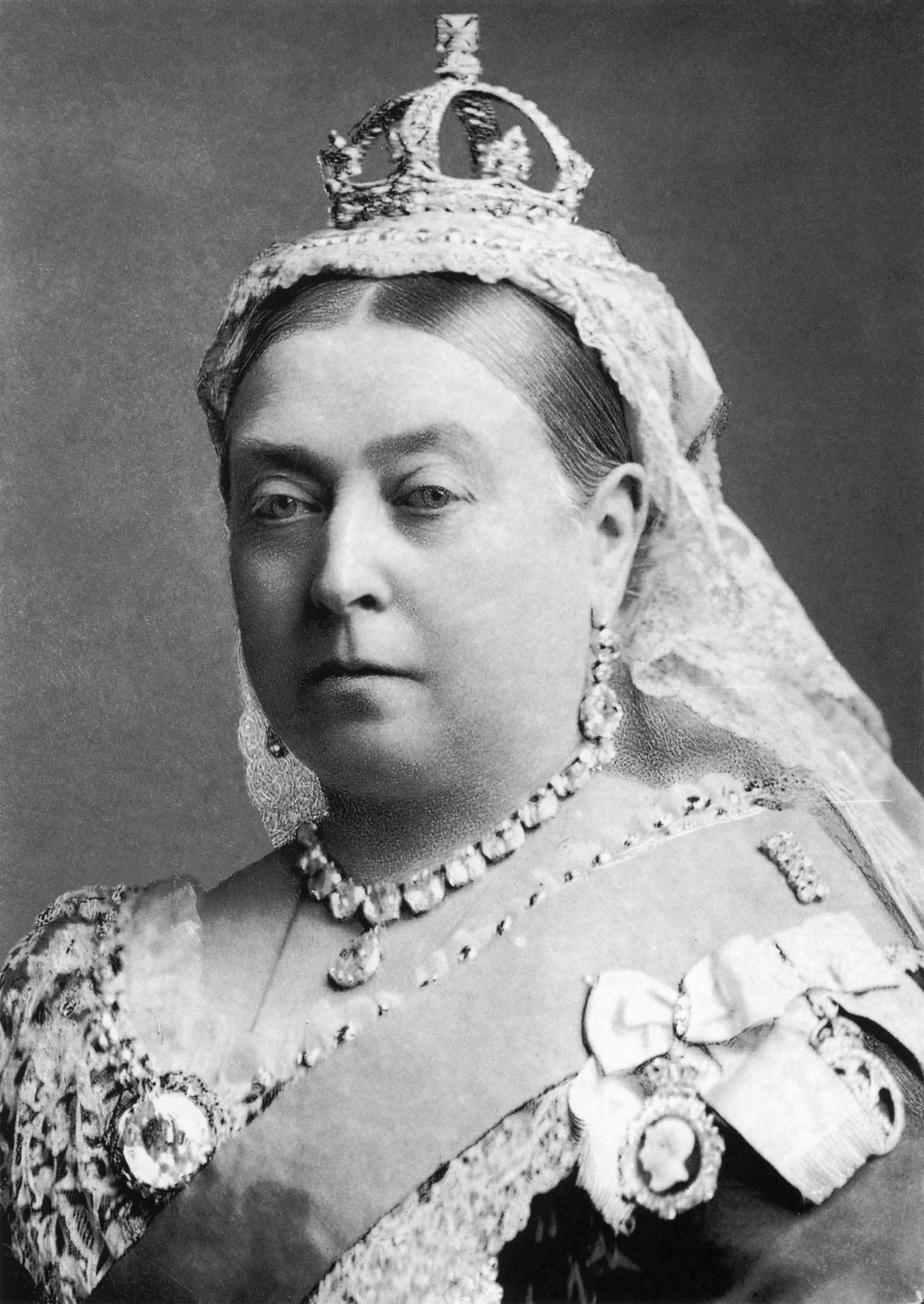
When Alexandrina Victoria was roused from bed on 20 June 1837, she was told that her uncle, King William IV, had died—and that she, just 18 years old, was now Queen of the United Kingdom. Over the next 23,226 days she would survive eight assassination attempts, give her name to an entire era, and oversee the greatest imperial expansion the world had ever seen. By the time she died on 22 January 1901, the empire she ruled covered one-quarter of the globe and one-fifth of humanity, while Britain had become the workshop, banker, and policeman of the world. Her reign, the Victorian era, became shorthand for steamships, railways, photography, the telegraph, and a moral code that still echoes today.
Victoria was far more than a ceremonial figurehead. She lobbied prime ministers, shaped foreign policy, and in 1876 was proclaimed Empress of India—a title created by Parliament to bind the “jewel in the crown” to the crown itself. Yet her private life was equally dramatic: a passionate marriage to Prince Albert of Saxe-Coburg and Gotha, nine children who married into every major European dynasty, and decades of seclusion after Albert’s early death, clad in black mourning that defined the public image of a grieving widow.
Background & Origins
Born at Kensington Palace, London, on 24 May 1819, Victoria was fifth in line to the throne. Her father, Prince Edward, Duke of Kent, died within a year; her German-speaking mother, the Duchess of Kent, raised her under the strict “Kensington System” designed to keep the heir weak and dependent. Tutors taught her to speak fluent French and German, but she only learned to write in English at the age of 13. A pocket-sized diary—started on her 13th birthday—would eventually run to 141 volumes and become one of the great primary sources of 19th-century history.
Major Achievements & Milestones
The Victorian Constitution (1837-1901): Though Britain had no single written constitution, Victoria’s reign saw the crystallisation of constitutional monarchy. By staying above party politics yet retaining weekly audiences with her ten prime ministers, she turned the crown into a symbol of national unity while Parliament quietly became sovereign.
The Great Exhibition of 1851: Presided over by Prince Albert and enthusiastically backed by Victoria, the Crystal Palace in Hyde Park showcased 100,000 exhibits from 15,000 contributors and attracted 6 million visitors—one-third of Britain’s population—proving that the empire was the technological super-power of the age.
Empress of India Proclamation (1 January 1877): At a spectacular durbar in Delhi, Victoria was proclaimed Kaisar-i-Hind, cementing Britain’s moral claim to rule the subcontinent and marking the first time a British monarch officially held an imperial title outside Europe.
Timeline
- 1837: Accession at age 18; first prime minister, Lord Melbourne, becomes political mentor
- 1840: Marriage to Prince Albert; the white wedding dress becomes fashionable overnight
- 1851: Great Exhibition opens; Victoria records “every face beamed with delight”
- 1861: Albert dies of typhoid; Victoria enters decades of mourning
- 1876: Parliament grants the title Empress of India
- 1887: Golden Jubilee—50 years on the throne—celebrated across the empire
- 1897: Diamond Jubilee; empire at territorial peak, 11 million square miles
- 1901: Death at Osborne House, Isle of Wight; Edward VII succeeds
Impact & Legacy
Victoria’s name still labels an era synonymous with steam, steel, and strict morals, but her deeper legacy is institutional. The constitutional monarchy she helped shape survived because she adapted it: no longer governing, but embodying national continuity. Her descendants—42 grandchildren—sat on thrones from Russia to Spain, earning her the nickname “the grandmother of Europe.” The Victoria Cross (1856) remains the highest British military award for valour; Victoria Station, Lake Victoria, Victoria, Australia, and Victoria, British Columbia map an empire’s geography in miniature. When Elizabeth II surpassed her reign on 9 September 2015, the comparison highlighted how Victoria’s longevity set the template for modern monarchy: duty, visibility, and a family soap-opera played out on the global stage.
Records & Notable Facts
- Longest-reigning monarch in British history until 2015: 63 years 216 days
- Survived eight assassination attempts between 1840 and 1882
- Wrote an estimated 60 million words in her journals
- First monarch to ride in a train (1842) and use the telegraph (1847)
- Delivered her first speech in English and replied to addresses in fluent Hindustani
> “We are not interested in the possibilities of defeat; they do not exist.”
> —Queen Victoria to Prime Minister Salisbury during the Boer War, 1899