**
Overview
The International Red Cross and Red Crescent Movement is the world’s largest humanitarian network, comprising roughly 16 million volunteers, members, and employees operating in virtually every nation. Its core mission is to protect human life and health, ensure respect for all persons, and prevent or alleviate suffering, especially in situations of armed conflict, natural disaster, and disease. The Movement is organized around three distinct yet inter‑dependent components: the International Committee of the Red Cross (ICRC), the International Federation of Red Cross and Red Crescent Societies (IFRC), and National Red Cross and Red Crescent Societies. Together they deliver emergency relief, promote humanitarian law, support health‑care initiatives, and foster community resilience.
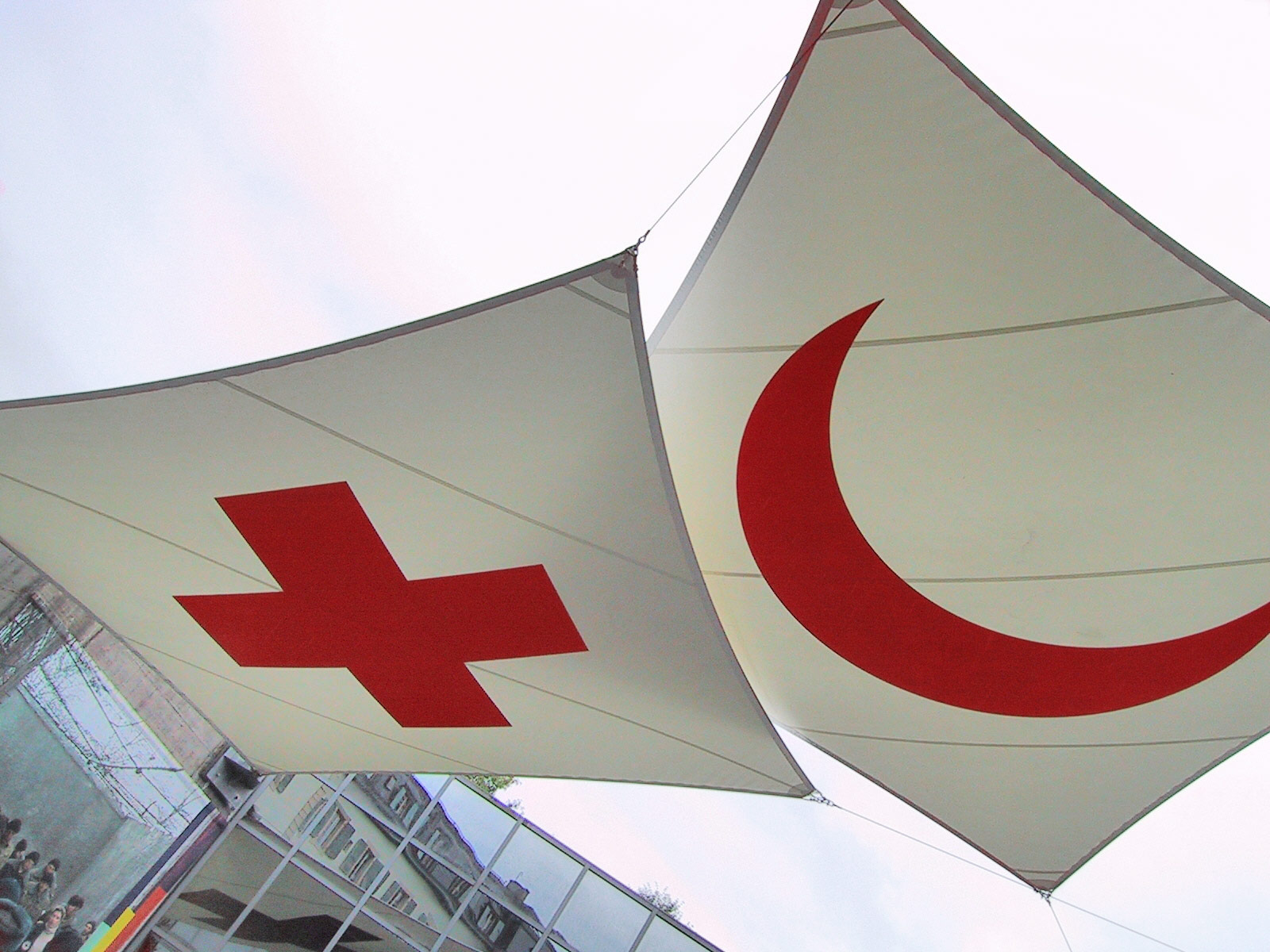
The Movement’s emblem— a red cross on a white background, a red crescent, or a red crystal— is protected under the Geneva Conventions as a neutral symbol that signals protection for medical personnel and facilities in armed conflict. This neutrality enables Red Cross workers to negotiate access to vulnerable populations, regardless of political or military affiliation, and to operate under the principle of impartiality, providing aid solely based on need.
History/Background
The origins of the Red Cross trace back to 1859, when Swiss businessman Henry Dunant witnessed the horrific aftermath of the Battle of Solferino. Moved by the suffering of wounded soldiers, Dunant authored A Memory of Solferino (1862), calling for the creation of neutral, volunteer societies to care for the injured. His proposal led to the founding of the International Committee of the Red Cross on February 17, 1863, in Geneva, Switzerland. The first Geneva Convention— the Treaty of Amity and Commerce— was adopted in 1864, establishing the legal framework for the protection of medical personnel and the use of the red cross emblem.The Movement expanded rapidly. In 1876, the first National Society, the British Red Cross Society, was created; by the early 20th century, societies existed across Europe, the Americas, and Asia. The Red Crescent emblem was introduced in 1876 by the Ottoman Empire to respect Islamic cultural sensitivities, and the Red Crystal was added in 2005 to provide a neutral symbol for societies that could not use either the cross or crescent.
Key milestones include the 1906 establishment of the International Federation of Red Cross and Red Crescent Societies to coordinate disaster response among national societies, the 1977 adoption of the Additional Protocols to the Geneva Conventions, and the 1990s shift toward long‑term development programs, such as the Health‑for‑All initiative and disaster risk reduction strategies.
Key Information
- Membership: 192 National Societies, representing virtually every sovereign state. - Volunteer Base: Approximately 16 million individuals, making it the world’s largest volunteer organization. - Core Services: Emergency medical aid, disaster relief, blood donation programs, refugee assistance, disease prevention, and promotion of International Humanitarian Law (IHL). - Funding: A mix of government grants, private donations, corporate partnerships, and income from services such as blood banks. - Major Achievements: * World War I & II: Coordinated care for millions of wounded soldiers and civilians, establishing the modern concept of war‑time humanitarian assistance. * 1970s‑80s: Pioneered large‑scale blood‑bank networks, now supplying over 30 % of the global blood supply. * 1990s‑2000s: Led global responses to natural disasters, including the 2004 Indian Ocean tsunami, the 2010 Haiti earthquake, and the 2020 COVID‑19 pandemic. * Legal Impact: Instrumental in the drafting and universal ratification of the four Geneva Conventions and their Additional Protocols, which form the cornerstone of modern IHL.Significance
The Red Cross and Red Crescent Movement stands as a model of neutral, impartial humanitarian action, influencing both the practice of aid delivery and the development of international law. Its emblem is universally recognized, granting access to conflict zones where other actors may be barred. By training millions of volunteers in first aid, disaster preparedness, and humanitarian principles, the Movement builds local capacity that endures long after a crisis has passed.Beyond immediate relief, the Movement’s advocacy for human dignity, health equity, and the protection of civilians shapes global policy debates on migration, climate‑related disasters, and public health. Its long‑standing commitment to volunteerism demonstrates the power of civil society to mobilize resources at scale, reinforcing the idea that humanitarianism is a shared responsibility of all peoples.
INFOBOX:
- Name: International Red Cross and Red Crescent Movement
- Type: Humanitarian organization / International non‑governmental organization (INGO)
- Date: Founded 1863 (ICRC); 1919 (IFRC)
- Location: Headquarters in Geneva, Switzerland (ICRC and IFRC)
- Known For: Providing neutral, impartial aid in armed conflict and disaster settings; championing the Geneva Conventions
TAGS: humanitarian aid, International Red Cross, Red Crescent, Geneva Conventions, disaster relief, volunteerism, global health, International Humanitarian Law