




Regions Encyclopedia Entry 1778555837
Summary: A region is a geographic area that is defined by its physical characteristics, cultural identity, or administrative boundaries, often serving as a hub for economic, social, and environmental activities.
Overview
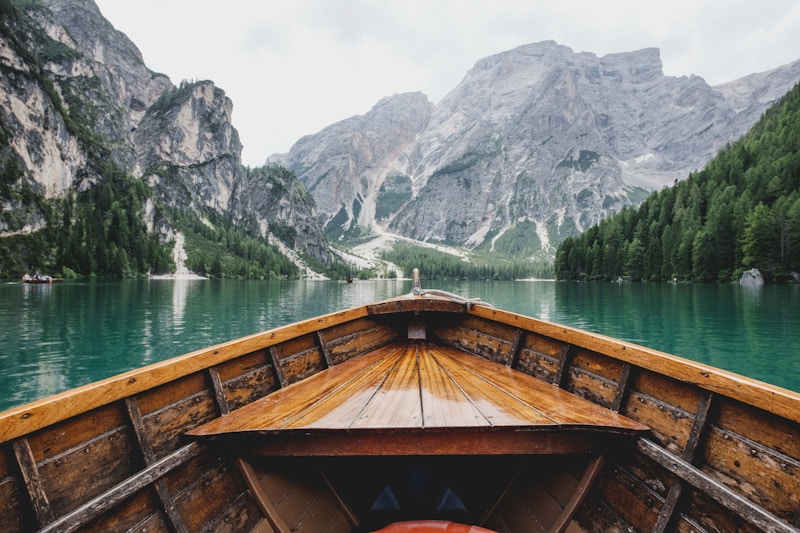
Regions are fundamental units of geography, encompassing diverse landscapes, climates, and ecosystems. They can be vast and sprawling, like continents or oceans, or small and intimate, like neighborhoods or villages. Regions are often characterized by unique cultural, linguistic, or historical identities that shape the lives of their inhabitants. From the snow-capped mountains of the Himalayas to the sun-kissed beaches of the Mediterranean, regions are the building blocks of our planet's incredible diversity.
Regions can be classified in various ways, including by physical characteristics, such as deserts, forests, or tundras; by cultural or linguistic affiliations, such as ethnic or national groups; or by administrative boundaries, such as provinces, states, or countries. Each region has its own distinct character, shaped by a complex interplay of natural and human factors. Whether it's the rugged terrain of the American West or the bustling streets of Tokyo, regions are the essence of our planet's incredible variety.
Regions are not static entities; they evolve over time, influenced by factors like climate change, migration, and technological advancements. As the world becomes increasingly interconnected, regions are becoming more complex and dynamic, with global flows of people, goods, and ideas shaping their identities and destinies.
History/Background
The concept of regions has been present throughout human history, with ancient civilizations often defining their territories and identities in terms of regional characteristics. The ancient Greeks, for example, divided their world into distinct regions, each with its own unique culture and geography. The Roman Empire further developed the concept of regions, establishing provinces and administrative boundaries that would shape the course of European history.
In the modern era, the concept of regions has been influenced by the rise of nationalism and the development of modern nation-states. As countries began to assert their sovereignty and territorial claims, regions became increasingly defined by administrative boundaries and national identities. However, the increasing interconnectedness of the world has led to a reevaluation of the concept of regions, with many scholars and policymakers advocating for more nuanced and inclusive definitions that recognize the complexity and diversity of regional identities.
Key Information
- Area: Regions can range from small, localized areas to vast, continental expanses.
- Population: Regions can be home to millions or just a few thousand people.
- Economy: Regions can be characterized by diverse economic activities, from agriculture to manufacturing to services.
- Culture: Regions are often defined by unique cultural, linguistic, or historical identities.
- Environment: Regions can be shaped by a range of environmental factors, from climate and geography to natural resources and ecosystems.
Significance
Regions are crucial for understanding the complexities of our planet's diversity and the interconnectedness of human societies. By recognizing and respecting regional identities, we can foster greater understanding, cooperation, and peace among nations and communities. Regions are also key to addressing global challenges like climate change, poverty, and inequality, as they provide a framework for targeted interventions and sustainable development.
INFOBOX:
- Name: Regions
- Type: Geographic area
- Date: Ancient civilizations (e.g., Greece, Rome)
- Location: Global
- Known For: Diverse landscapes, climates, and ecosystems; unique cultural, linguistic, or historical identities
TAGS: geography, regions, culture, environment, economy, diversity, global, interconnectedness, sustainability.


