




Overview
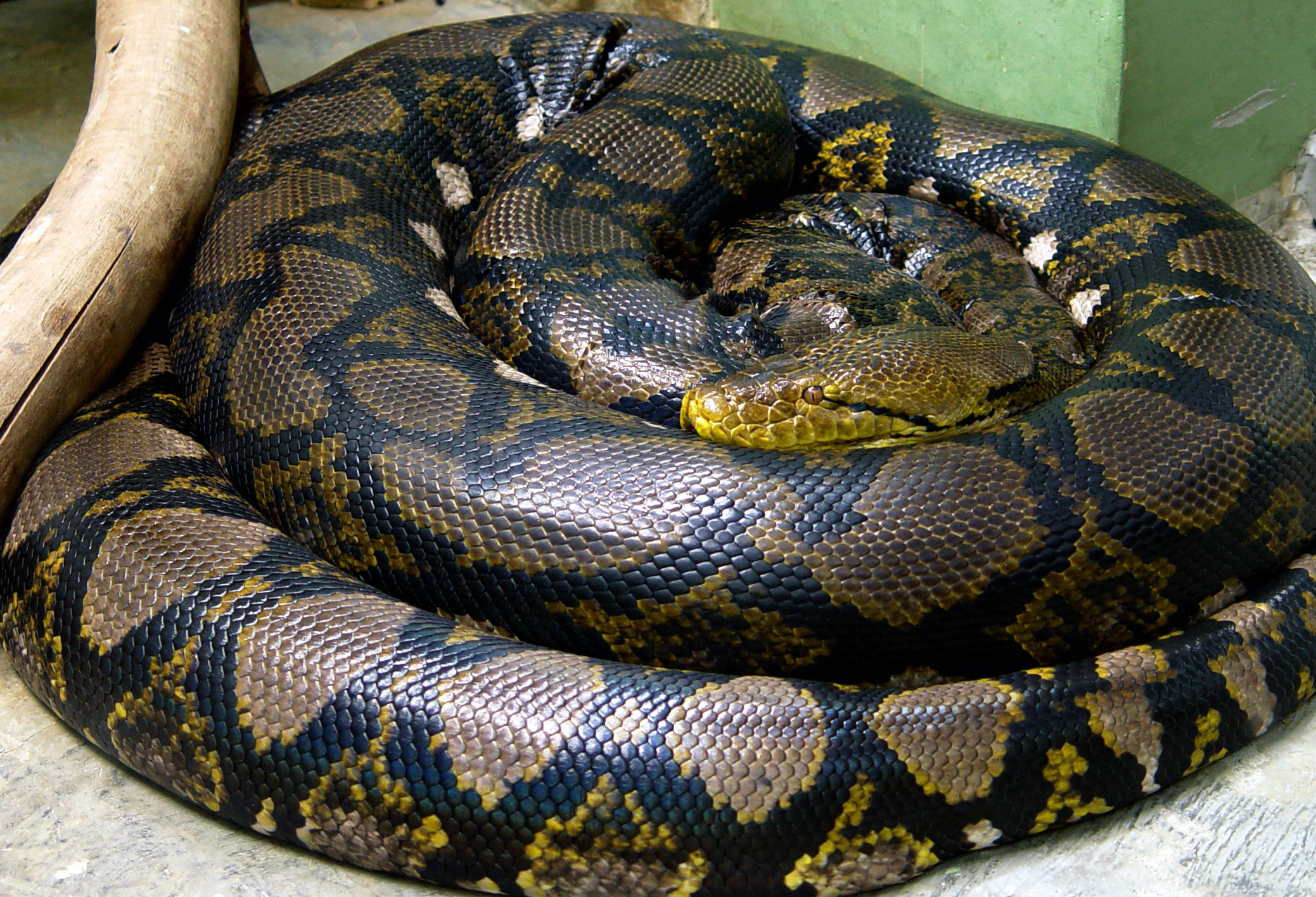
The reticulated python is a massive, non‑venomous colubroid that inhabits a mosaic of habitats across the Indian subcontinent, the Malay Archipelago, and numerous offshore islands. Adults commonly exceed 4 m (13 ft), with verified specimens reaching 6.95 m (22.8 ft) and weighing up to 158 kg (350 lb), making it the longest snake on record and the third heaviest after the green anaconda and Burmese python. Its name derives from the intricate, net‑like pattern of dark brown or black markings that overlay a lighter, often golden‑yellow background—a camouflage that blends seamlessly with forest floor leaf litter and mangrove roots.Reticulated pythons are obligate ambush predators that rely on powerful constriction to subdue a wide prey spectrum: rodents, birds, monitor lizards, deer, and even water buffalo. Their jaw anatomy, featuring highly kinetic bones and stretchy ligaments, allows them to engulf prey up to one‑third of their own body length. Although primarily terrestrial, they are exceptionally adept swimmers, capable of traversing brackish and marine waters for dozens of kilometers. Documented sightings of individuals drifting on ocean currents have led to colonization of remote islands such as the Andaman and Nicobar archipelagos, where they have established viable populations in the absence of large predators.
Human‑python interactions are complex. In many parts of their range, reticulated pythons are hunted for their high‑quality skin, prized in the fashion industry, and for traditional medicinal uses. Their size and occasional attacks on humans—most notably on the Indonesian island of Sulawesi—have fostered both fear and reverence, influencing cultural narratives and prompting targeted control measures. Despite these pressures, the species remains abundant, earning a Least Concern status on the IUCN Red List.
History/Background
The reticulated python’s evolutionary lineage diverged from other Asian pythons during the Miocene, roughly 10–12 million years ago, as rising sea levels fragmented habitats across Sundaland. Fossil evidence suggests that early Malayopython species occupied both mainland and island environments, adapting to fluctuating climatic conditions. The modern taxonomic designation shifted in 2014 when molecular phylogenetics placed the species in the resurrected genus Malayopython, separating it from the previously broader Python genus.Human exploitation of the species dates back centuries. Archaeological finds of python skin fragments in ancient Javanese burial sites indicate early trade, while colonial-era naturalists such as Thomas C. Jerdon and Albert Günther first described the species scientifically in the mid‑19th century. In the 20th century, the rise of the exotic pet trade spurred captive breeding programs, particularly in the United States and Europe, which paradoxically reduced pressure on wild populations while raising concerns about invasive releases.
Key Information
- Scientific name: Malayopython reticulatus - Maximum recorded length: 6.95 m (22.8 ft) – Guinness World Record holder. - Average adult weight: 75–158 kg (165–350 lb). - Habitat range: India, Bangladesh, Myanmar, Thailand, Malaysia, Indonesia (including Sulawesi, Borneo, Sumatra, the Philippines), and numerous smaller islands. - Diet: Opportunistic carnivore; prey includes mammals up to 30 kg, birds, reptiles, and carrion. - Reproduction: Ovoviviparous; females lay clutches of 15–30 eggs, incubating them for 60–70 days before hatching. - Conservation status: Least Concern (IUCN), but locally threatened by habitat loss, over‑harvesting, and persecution. - Economic importance: Provides significant revenue through skin trade (estimated $30 million annually) and the pet industry; also contributes to ecotourism in regions like Borneo’s rainforests.Significance
The reticulated python serves as a keystone predator in many tropical ecosystems, regulating rodent populations and influencing the structure of prey communities. Its presence indicates healthy, intact habitats, making it a valuable bio‑indicator for conservation assessments. Economically, the species underpins livelihoods for rural harvesters and artisans who process its skin into luxury goods, while also supporting scientific research on reptilian physiology and biomechanics.From a cultural perspective, the python occupies a prominent place in folklore, art, and religious symbolism across Southeast Asia, embodying themes of power, fertility, and danger. Contemporary conservation initiatives aim to balance sustainable use with protection, promoting community‑based management, anti‑poaching patrols, and public education to mitigate human‑snake conflict. Understanding the reticulated python’s ecological role and its interactions with humans is essential for preserving both biodiversity and the cultural heritage intertwined with this iconic reptile.


