



Overview
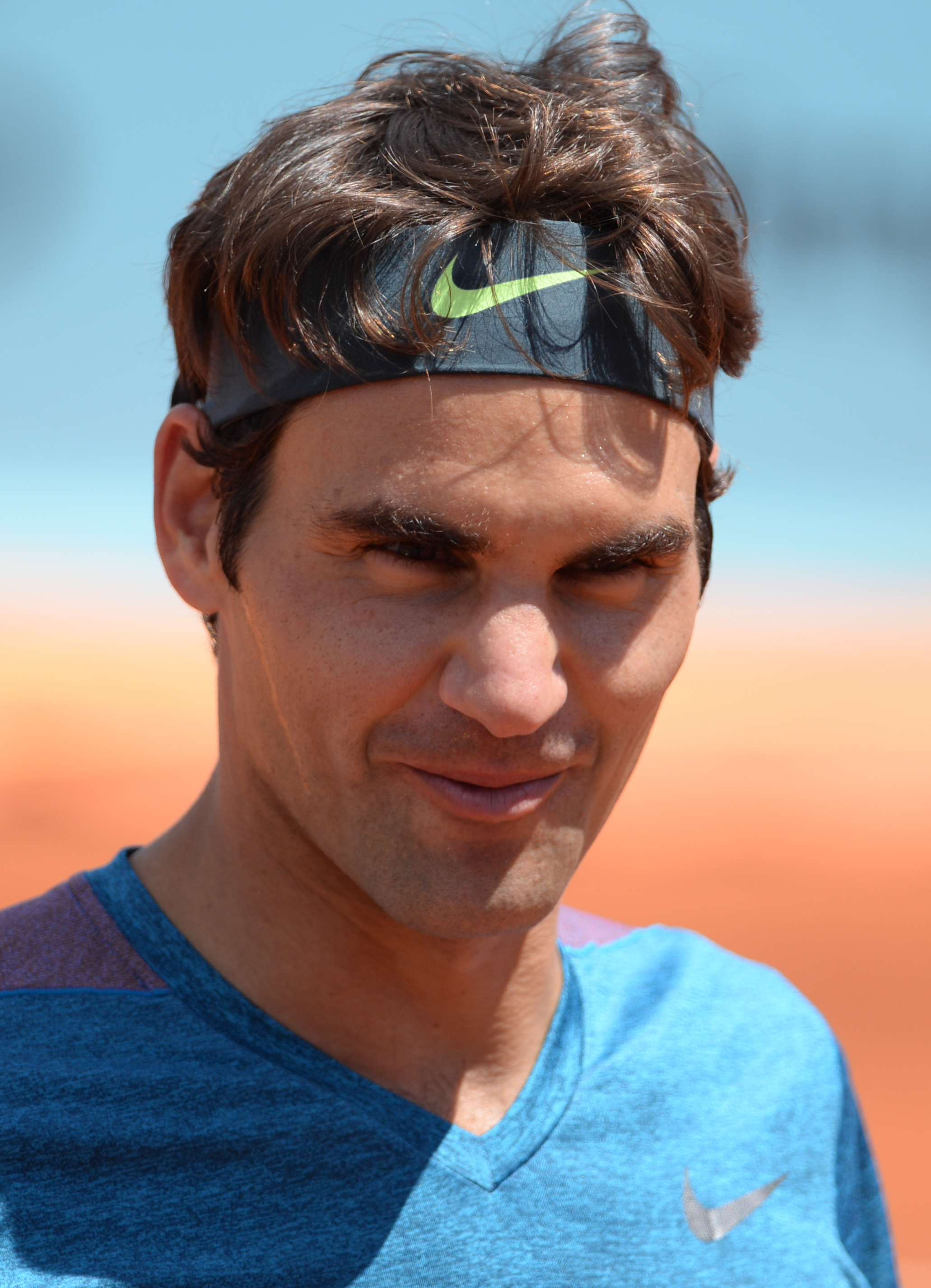
Roger Federer transformed modern tennis with a blend of effortless elegance, strategic brilliance, and relentless consistency. Over a 22‑year career, he amassed 103 ATP singles titles, the second‑most in the Open Era, and captured 20 major men’s singles championships, a benchmark that set a new standard for excellence. His dominance was highlighted by a 310‑week reign at world No. 1, including an unprecedented 237 consecutive weeks, and he finished as the year‑end No. 1 on five occasions (2004‑2007, 2009). Beyond the numbers, Federer’s graceful playing style and sportsmanship made him a global ambassador for tennis, drawing fans from every corner of the world.Off the court, Federer’s marketability was unrivaled. He earned more than $130 million in prize money and secured lucrative endorsement deals with brands such as Rolex, Uniqlo, and Wilson, pushing his total career earnings well beyond $500 million. His influence extended into philanthropy through the Roger Federer Foundation, which supports education initiatives for children in Africa and Switzerland. As a cultural icon, Federer’s legacy is measured not only in trophies but also in the way he elevated tennis into a universally celebrated sport.
History/Background
Born 8 August 1981 in Basel, Switzerland, Federer was introduced to tennis at age eight by his parents, Robert and Lynette. He quickly displayed prodigious talent, winning the European Junior Championships at 14 and turning professional in 1998. Early breakthroughs came with his first ATP title in 2001 at the Milan Indoor, followed by a stunning 2003 Wimbledon victory that announced his arrival on the world stage. The period from 2004 to 2007 marked his first era of dominance, during which he claimed three consecutive Grand Slams each year and solidified his place atop the rankings.A brief dip in form in 2008, highlighted by a loss to Rafael Nadal at Wimbledon, was followed by a remarkable resurgence in 2009, when Federer reclaimed the world No. 1 spot and added his fourth Wimbledon title. The next decade saw fierce rivalry with Nadal and Novak Djokovic, yet Federer continued to add majors, including a historic 2017 Australian Open win at age 35, making him the oldest male Grand Slam champion in the Open Era. He announced his retirement after the 2022 Laver Cup, concluding a career that spanned three generations of tennis greats.
Key Information
- Full Name: Roger Federer - Birthdate & Place: 8 August 1981, Basel, Switzerland - Turned Pro: 1998 - Career‑high Ranking: World No. 1 (310 weeks total, 237 consecutive) - Grand Slam Titles: 20 (8 Wimbledon, 6 Australian Open, 5 US Open, 1 French Open) - ATP Finals Wins: 6 (2003, 2004, 2006, 2007, 2010, 2011) - ATP Masters 1000 Titles: 28 (record for most finals: 31) - Olympic Medals: Gold (doubles, 2008 Beijing), Silver (singles, 2012 London) - Career Prize Money: ≈ $130 million - Endorsements & Total Earnings: > $500 million (including deals with Uniqlo, Rolex, Mercedes‑Benz) - Singles Win‑Loss Record: 1,251–275 (≈ 82 % winning percentage) - Retirement: 2022 Laver Cup (officially announced 2022)Significance
Federer’s impact transcends statistics; he redefined what it means to be a champion both on and off the court. His fluid technique and mental composure inspired a generation of players, while his sportsmanship set a benchmark for professionalism. Economically, his global appeal expanded tennis’s commercial reach, attracting new sponsors and broadcasting deals that benefited the entire sport. Culturally, Federer became a unifying figure, bridging national and linguistic divides—his calm demeanor and multilingual fluency (German, French, English) made him a beloved ambassador worldwide.His philanthropic work, especially the Roger Federer Foundation, has provided educational opportunities for thousands of children, reinforcing the idea that athletic greatness can be a platform for social good. In the annals of sports history, Federer stands as a paragon of longevity, adaptability, and elegance—a player who not only amassed an unparalleled trophy cabinet but also elevated tennis to an art form appreciated by fans and fellow athletes alike.


