
Overview
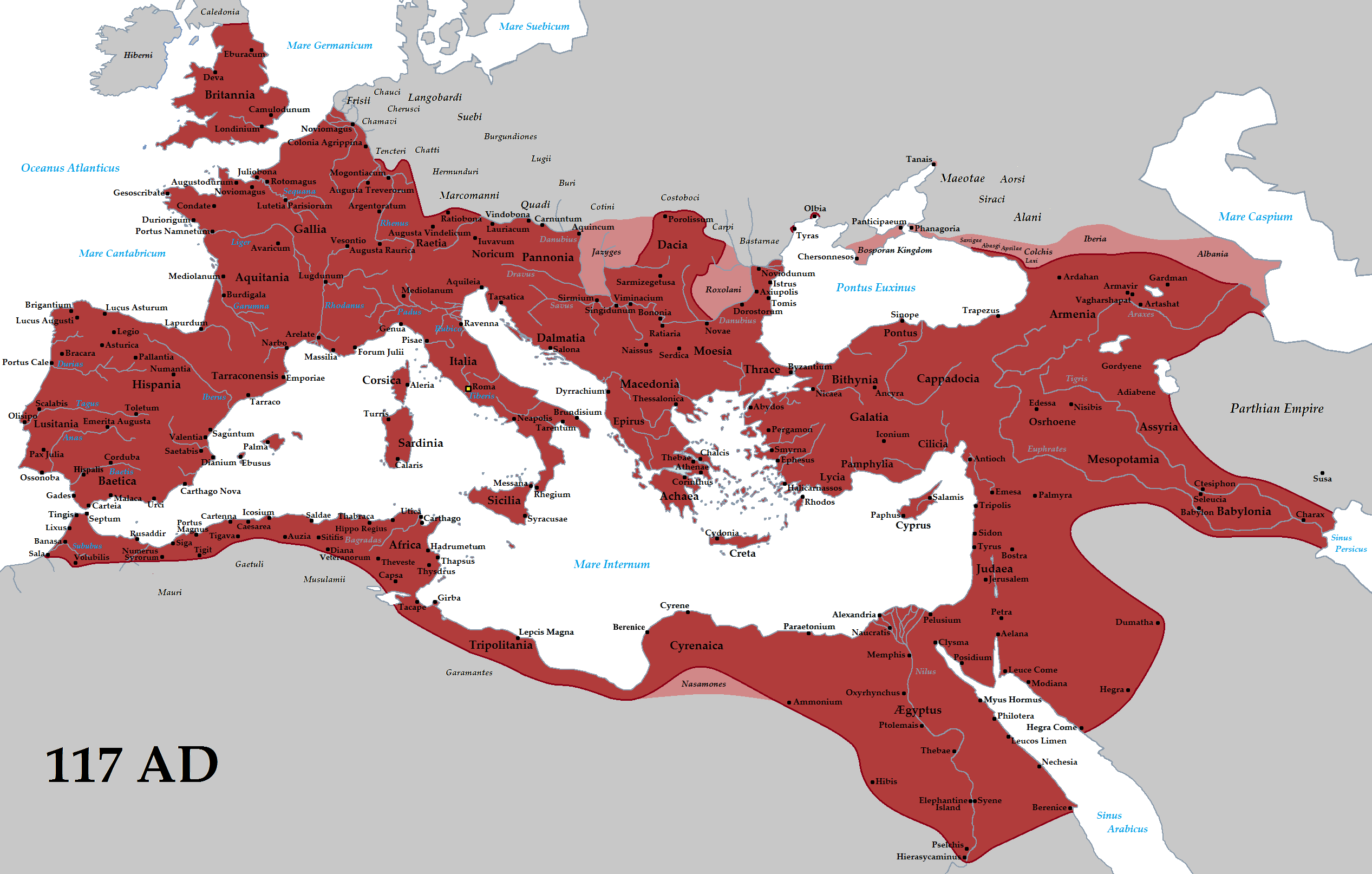
From the moment Octavian (later Augustus) assumed power in 27 BC, the Roman Empire set out to bind the Mediterranean basin under a single banner. Over the next four centuries the empire stretched from the windswept highlands of Britannia to the sun‑baked deserts of Egypt, from the rugged cliffs of Hispania to the fertile valleys of Mesopotamia. By the height of the 2nd century AD, Roman authority encompassed most of Europe, Western Asia, and North Africa, a territorial expanse unrivaled in antiquity.
The empire’s longevity rested on a blend of military might, sophisticated administration, and a legal system that codified rights and duties for citizens and subjects alike. The famous Pax Romana—a roughly 200‑year period of relative peace and prosperity—allowed trade, engineering, and culture to flourish. Roads such as the Via Appia linked distant provinces, while monumental architecture like the Colosseum (constructed 72‑80 AD) showcased Roman ingenuity.
Yet the empire was not immutable. By the 4th century AD, pressures from internal dissent, economic strain, and external invasions forced a formal division into Western and Eastern halves. The Western Roman Empire crumbled in 476 AD when the last emperor, Romulus Augustulus, was deposed. The Eastern Roman Empire, later known as the Byzantine Empire, endured for another nine centuries, finally falling with the capture of Constantinople in 1453 AD.
Background & Origins
The seeds of empire were sown during the Roman Republic, a period marked by relentless expansion through conquest, diplomacy, and the integration of conquered peoples as allies or citizens. The decisive turning point arrived when Octavian defeated his rivals at the Battle of Actium (31 BC) and was granted the title Augustus by the Senate in 27 BC. This event marked the official transition from Republic to Empire, establishing a new political order where the emperor wielded supreme authority while preserving the façade of republican institutions.
Major Achievements & Milestones
Pax Romana (27 BC – 180 AD): A two‑century span of internal stability that enabled massive public works, flourishing trade across the Mediterranean Sea, and the spread of Roman law.
Construction of the Colosseum (72‑80 AD): The massive amphitheatre in Rome could seat ≈50,000 spectators and hosted gladiatorial games, animal hunts, and mock naval battles, epitomizing Roman engineering.
Council of Nicaea (325 AD): Convened by Emperor Constantine I, this ecumenical council unified Christian doctrine across the empire, laying foundations for the later state religion.
Timeline
- 27 BC: Octavian receives the title Augustus, founding the Roman Empire.
- 31 BC: Battle of Actium ends civil war; Octavian becomes sole ruler.
- 72‑80 AD: Construction of the Colosseum in Rome.
- 117 AD: Emperor Trajan reaches the empire’s greatest territorial extent.
- 284 AD: Diocletian initiates the Tetrarchy, dividing imperial power among four rulers.
- 313 AD: Edict of Milan grants religious tolerance to Christians.
- 325 AD: Council of Nicaea convenes, shaping Christian orthodoxy.
- 395 AD: Formal split into Western and Eastern Roman Empires.
- 476 AD: Deposition of Romulus Augustulus, marking the fall of the Western Empire.
- 1453 AD: Ottoman forces capture Constantinople, ending the Eastern Roman (Byzantine) Empire.
Impact & Legacy
The Roman Empire’s imprint is indelible. Its legal code, especially the Corpus Juris Civilis compiled under Justinian I (527‑565 AD), became the bedrock of civil law traditions across Europe and beyond. Roman engineering feats—roads, aqueducts, bridges—set standards for durability and public utility that persisted through the Middle Ages and inspired modern infrastructure. Culturally, Latin literature, philosophy, and art shaped the Renaissance, while the empire’s administrative model informed later nation‑states. Even today, the phrase “All roads lead to Rome” echoes the empire’s unrivaled connectivity.
Records & Notable Facts
- The Roman road network spanned ≈400,000 km, with ≈80,500 km paved, enabling rapid troop movement and commerce.
- “Veni, vidi, vici.” – Julius Caesar’s succinct report of victory at Zela (47 BC) remains a timeless expression of swift triumph.
- The Colosseum could be flooded to stage mock naval battles, a testament to Roman ingenuity.
- The Eastern Empire’s survival for nearly 1,500 years after the West’s fall makes it the longest‑lasting political entity in European history.
> “I found Rome a city of bricks and left it a city of marble.” – Augustus, 27 BC