




Overview
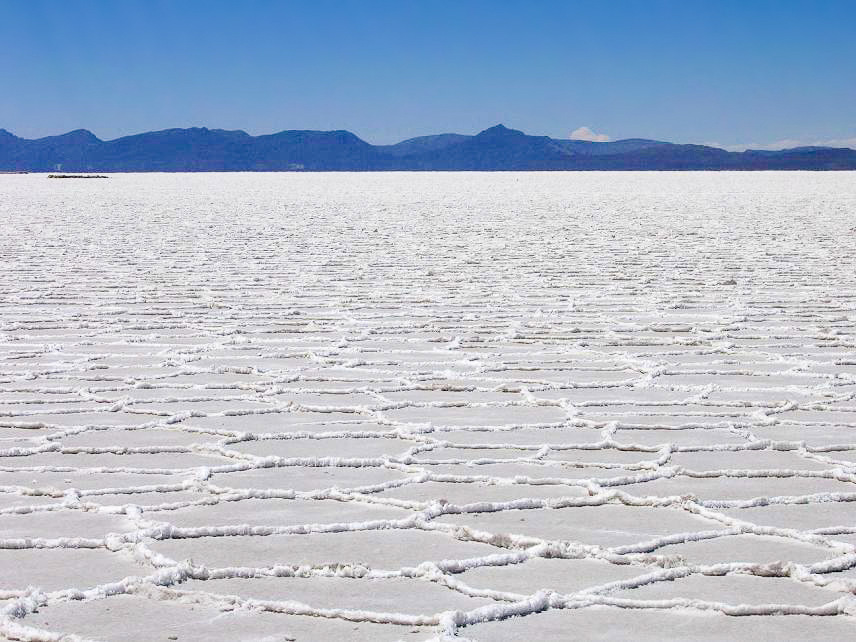
The Salar de Uyuni is a vast, arid expanse of salt and minerals, stretching across an area of approximately 10,582 square kilometers (4,086 mi2) in the Daniel Campos Province of the Potosí Department, Bolivia. This natural marvel is nestled near the crest of the Andes Mountains, at an elevation of 3,656 meters (11,995 ft) above sea level, making it one of the most elevated and remote regions on the planet. The Salar de Uyuni is a remnant of a prehistoric lake, Lago Minchín, which once covered the area, but evaporated, leaving behind a layer of salt and minerals. During the rainy season, the Salar de Uyuni transforms into a giant mirror, reflecting the sky and surrounding landscape, creating an otherworldly atmosphere that attracts visitors from around the globe.The Salar de Uyuni is not only a natural wonder but also a vital component of the region's ecosystem, providing a habitat for a variety of unique and adapted flora and fauna. The salt flat is surrounded by a series of volcanic rocks, geysers, and hot springs, which are home to a range of wildlife, including flamingos, llamas, and vicuñas. The Salar de Uyuni is also an important stopover for migratory birds, making it a paradise for birdwatchers and nature enthusiasts. The local community, the Aymara people, have lived in harmony with the Salar de Uyuni for centuries, relying on its resources for their livelihood and spiritual practices.
The Salar de Uyuni has become a popular tourist destination, attracting visitors with its surreal landscapes, unique geological features, and rich cultural heritage. The salt flat is dotted with islands, such as Isla Incahuasi, which are home to giant cacti and offer breathtaking views of the surrounding landscape. Visitors can explore the Salar de Uyuni by taking a guided tour, which often includes a visit to the nearby Tunupa Volcano, a dormant volcano that offers stunning views of the salt flat and the surrounding mountains.


