




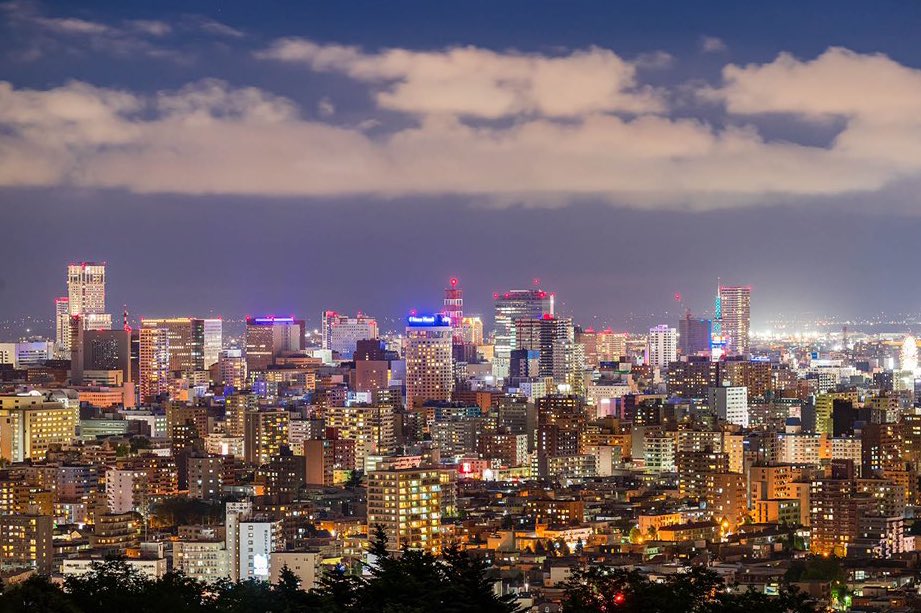
Sapporo
SUMMARY: Sapporo is a vibrant city located in the southwest of Hokkaido, Japan, serving as the capital of Hokkaido Prefecture and Ishikari Subprefecture, and is renowned for its rich cultural heritage, stunning natural beauty, and world-class events.
Overview
Located on the island of Hokkaido, Sapporo is a city that seamlessly blends traditional Japanese culture with modern amenities and attractions. With a population of over 1.9 million people, Sapporo is the largest city in Hokkaido and the fifth-most populous city in Japan. The city's strategic location at the mouth of the Toyohira River, a tributary of the Ishikari River, has made it an important hub for trade, commerce, and transportation in the region. Sapporo's unique blend of natural beauty, rich history, and modern infrastructure has earned it a reputation as one of Japan's most livable and attractive cities.
Sapporo's climate is characterized by cold winters and mild summers, with significant snowfall throughout the year. The city's natural beauty is a major draw for tourists, with numerous parks, gardens, and ski resorts nearby. The city's scenic beauty is complemented by its rich cultural heritage, with numerous museums, galleries, and historical landmarks that showcase the city's history and traditions.
History/Background
Sapporo's history dates back to the 19th century, when it was founded as a small fishing village. The village was officially established in 1869, and it quickly grew into a major commercial center due to its strategic location. In 1871, Sapporo was designated as the capital of Hokkaido Prefecture, and it has since served as the region's economic, cultural, and political center. The city's rapid growth and development were fueled by the construction of the Sapporo Railway in 1880, which connected the city to the rest of Japan.
During World War II, Sapporo was a major military base, and it suffered significant damage during the war. After the war, the city underwent rapid reconstruction and modernization, with a focus on developing its economy and infrastructure. In 1972, Sapporo hosted the Winter Olympics, which helped to establish the city as a major international tourist destination.
Key Information
* Population: 1,959,750 (as of July 31, 2023)
* Area: 1,121.26 km² (433.3 sq mi)
* Location: Southwest of Hokkaido, Japan
* Economy: Major industries include manufacturing, agriculture, and tourism
* Culture: Rich cultural heritage, with numerous museums, galleries, and historical landmarks
* Events: Hosted the Winter Olympics in 1972, and numerous other international events and festivals throughout the year
Significance
Sapporo's significance extends far beyond its role as a major city in Japan. The city's unique blend of natural beauty, rich history, and modern infrastructure has made it a model for urban development and planning. Sapporo's cultural heritage is a major draw for tourists, with numerous museums, galleries, and historical landmarks that showcase the city's history and traditions.
The city's economy is also a major driver of growth and development in the region, with major industries including manufacturing, agriculture, and tourism. Sapporo's status as a major international tourist destination has helped to establish the city as a hub for business and commerce in the region.
INFOBOX:
- Name: Sapporo
- Type: Designated city
- Date: Founded in 1869
- Location: Southwest of Hokkaido, Japan
- Known For: Hosting the Winter Olympics in 1972, rich cultural heritage, and stunning natural beauty
TAGS: Sapporo, Hokkaido, Japan, city, culture, economy, tourism, history, Olympics, natural beauty, urban development.


