
Overview
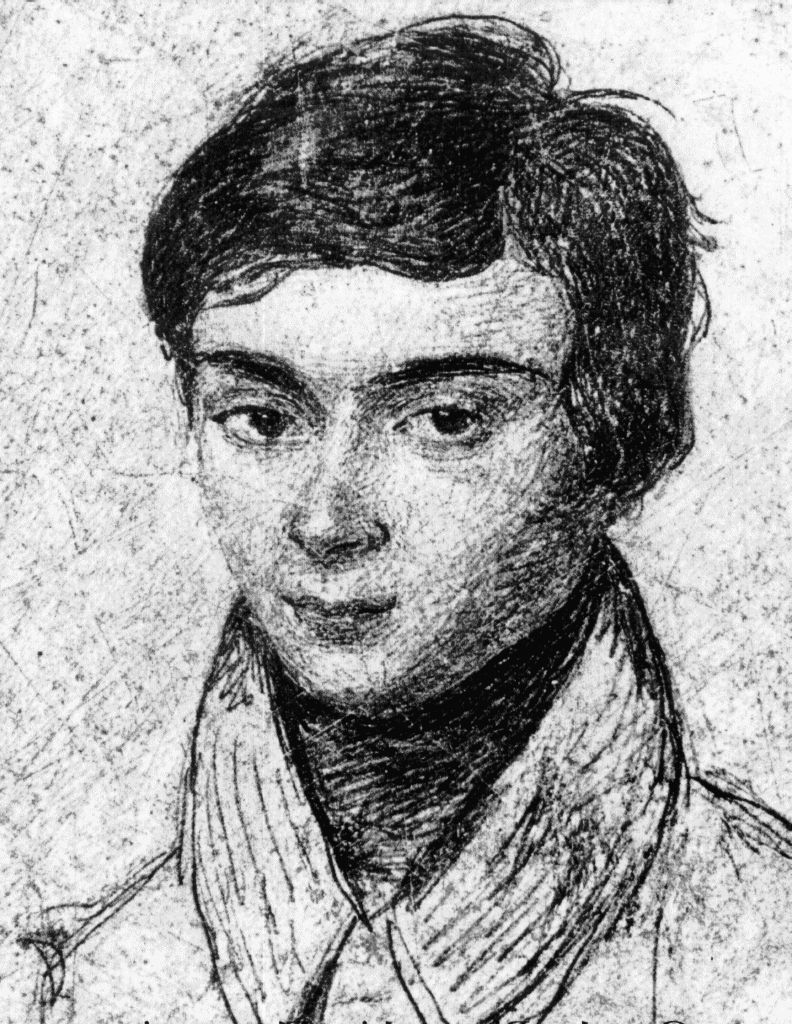
Simón José Antonio de la Santísima Trinidad Bolívar Palacios Ponte y Blanco (1783-1830) was the most consequential soldier-statesman the Atlantic world produced between Napoleon and Lincoln. Riding the ideological currents of the Enlightenment and the geopolitical vacuum left by the Napoleonic occupation of Spain, he fused republican rhetoric with iron-willed military command to create the armies that liberated six modern nations. More than a battlefield genius, Bolívar was a constitutional architect who attempted to knit the fractious regions of northern South America into a single federal republic—Gran Colombia—and later into a lifetime presidency modeled on the Roman dictatorship of the early Republic. His failure to stabilize these experiments did not diminish the symbolic power of his vision: a hemisphere free of monarchy and slavery, governed by creole elites who identified as Americans, not Spaniards.History/Background
Born 24 July 1783 in Caracas to a cacao-rich slave-owning family, Bolívar lost both parents before sixteen and was sent to Europe for finishing. In Madrid, Paris, and Rome he absorbed Locke, Rousseau, and, more immediately, the militant republicanism of his tutor Simón Rodríguez and the Caribbean revolutionary Henri Christophe. The 1808 abdication of the Spanish Bourbons radicalized colonial elites; when Napoleon placed his brother Joseph on the throne, Caracas declared home-rule (19 April 1810) and dispatched Bolívar to London seeking British support. Returning with only diplomatic recognition, he joined the first republican junta, but Spanish reconquest crushed the fragile state in 1812. Bolívar’s legendary “Cartagena Manifesto” blamed federalist weakness and proclaimed “war to the death” against peninsular Spaniards—an early sign of the ruthless pragmatism that would characterize his campaigns.Between 1813 and 1824 he fought a seesaw war across 8,000 km of terrain—twice crossing the Andes at 4,000 m with artillery—culminating in the Battles of Boyacá (1819), Carabobo (1821), and Ayacucho (1824). Each victory dismantled royalist power in a different viceroyalty: New Granada, Venezuela, and Peru respectively. In 1825 Upper Peru was detached from Lima’s jurisdiction and christened “Bolivia” in his honor, making him one of the very few living individuals to give a country its name.