




Overview
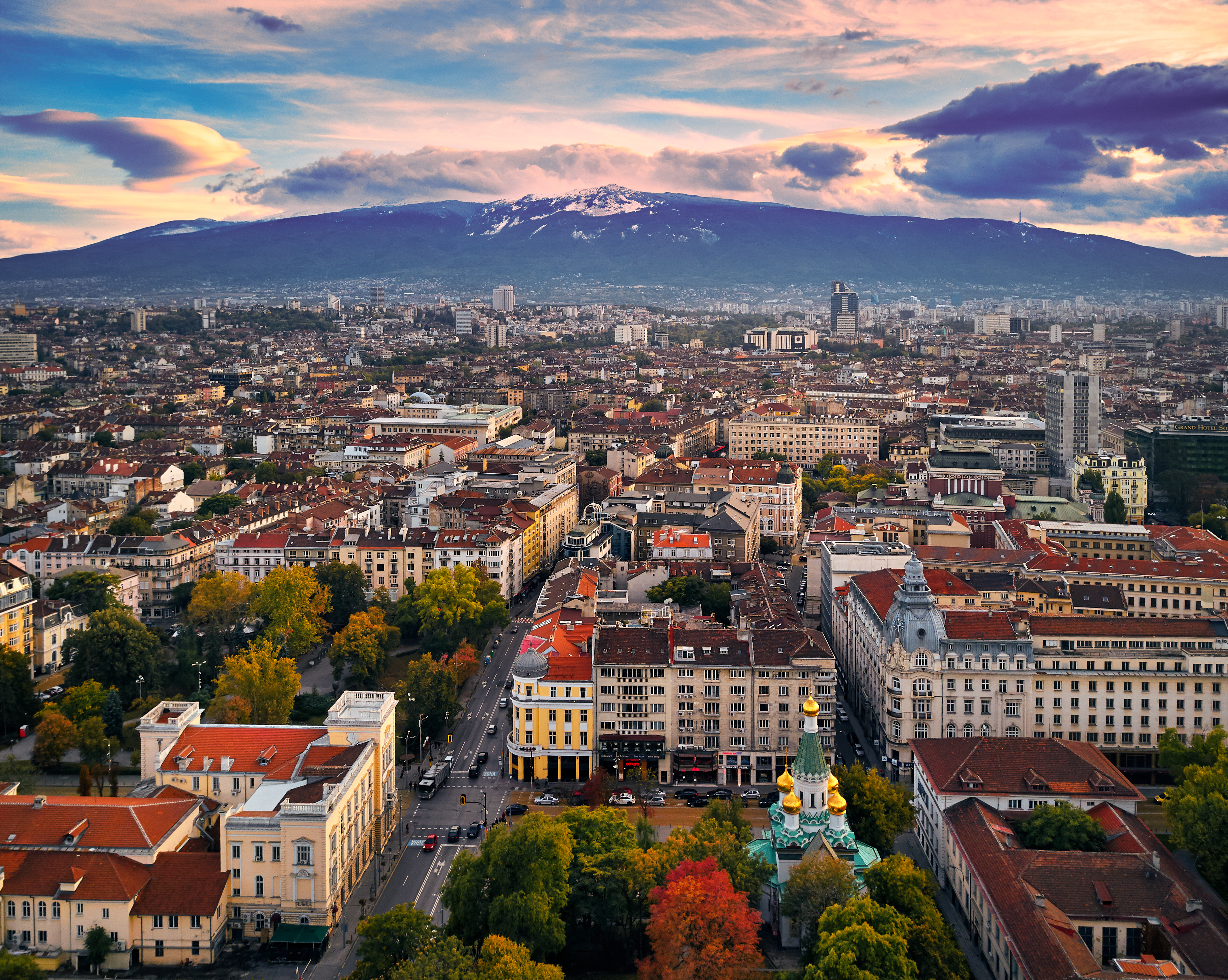
Sofia, the capital of Bulgaria, is a city that seamlessly blends ancient history, cultural heritage, and modern charm. Nestled in the Sofia Valley at the foot of the majestic Vitosha mountain, the city boasts a unique blend of natural beauty and urban sophistication. With a population of over 1.2 million people, Sofia is the largest city in Bulgaria and a hub of economic, cultural, and social activity. The city's strategic location in the western part of the country has made it an important center for trade, commerce, and tourism, attracting visitors from all over the world.Sofia's landscape is characterized by rolling hills, verdant parks, and the majestic Vitosha mountain, which offers breathtaking views of the city and its surroundings. The city's architecture is a testament to its rich history, with a mix of ancient ruins, medieval churches, and modern skyscrapers. The city's cultural scene is equally vibrant, with numerous museums, galleries, and performance venues showcasing the country's rich cultural heritage.
Despite its modernization, Sofia has managed to preserve its traditional charm, with many historic buildings, streets, and landmarks still intact. The city's cuisine is a fusion of traditional Bulgarian dishes, such as shopska salad and banitsa, and international flavors, reflecting its status as a cosmopolitan hub.
History/Background
Sofia's history dates back to ancient times, with archaeological evidence suggesting human habitation in the area as far back as the 8th millennium BC. The city's strategic location made it an important center for trade and commerce, with the Romans establishing a settlement in the area in the 1st century AD. The city's name is derived from the ancient Thracian city of Serdica, which was later renamed Sredets by the Slavs.During the Middle Ages, Sofia was an important center for the Bulgarian Empire, with many churches, monasteries, and palaces built during this period. The city's cultural and economic significance continued to grow, with the Ottoman Empire conquering the city in the 14th century. Sofia remained under Ottoman rule for nearly 500 years, until the city was liberated in 1878.


