




**
Overview
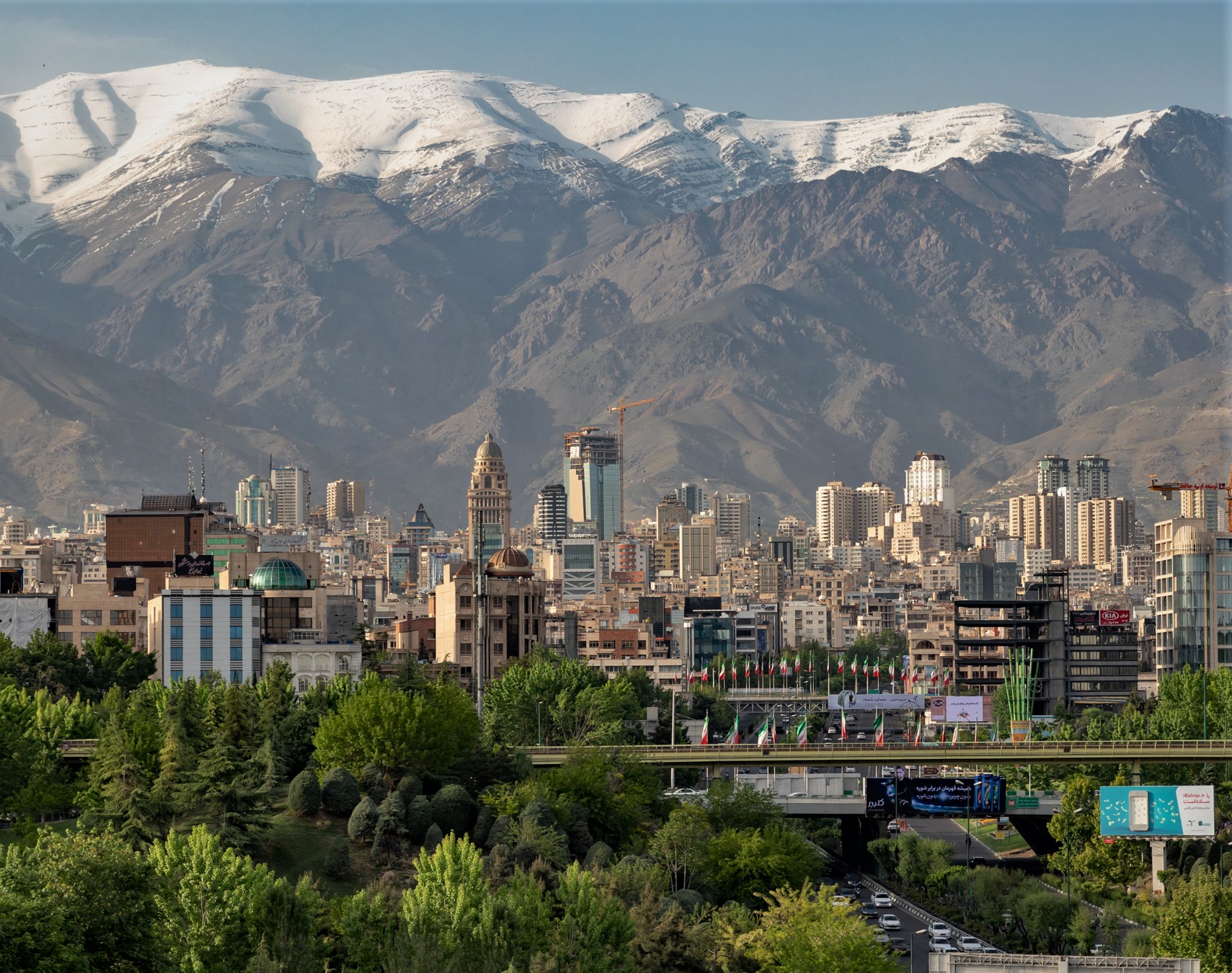
Tehran (Persian: تهران) sits at the foot of the Alborz mountain range, perched at an average altitude of 1,200 m (3,937 ft) above sea level. Its strategic location on a plateau has made it a natural crossroads between the Caspian Sea to the north and the Persian Gulf to the south, fostering centuries‑long trade routes that still echo in today’s bustling bazaars and high‑rise districts. With approximately 9 million residents within the city limits and about 16.8 million in the greater metropolitan area, Tehran is Iran’s most populous city, the largest in West Asia, and the 24th‑largest metro area worldwide.The city’s skyline is a striking juxtaposition of glass‑clad towers, such as the iconic Milad Tower, and historic neighborhoods like Darband and Grand Bazaar, where centuries‑old caravanserais still hum with the chatter of merchants. Tehran’s cultural pulse is amplified by world‑class institutions—the Tehran Museum of Contemporary Art, National Museum of Iran, and the University of Tehran—which attract scholars, artists, and tourists alike. Its public spaces, from the verdant Laleh Park to the rugged trails of Mount Tochal, offer residents a rare blend of urban convenience and natural escape.
History/Background
The origins of Tehran trace back to the 12th‑century Seljuk period, when a modest settlement known as “Tah‑Rān” (meaning “warm slope”) emerged near a natural spring. The city remained a regional market town until the early 18th century, when Agha Mohammad Khan Qajar selected it as the capital of the newly established Qajar dynasty in 1796, recognizing its defensible position against tribal incursions. Under the Qajars, Tehran expanded rapidly, with the construction of the Golestan Palace and the Royal Bazaar, symbols of burgeoning state power.The 20th century ushered in profound transformation. In 1925, Reza Shah Pahlavi initiated a sweeping modernization program: wide boulevards, European‑style architecture, and the first municipal water and electricity networks reshaped the cityscape. Tehran’s population surged from roughly 400,000 in 1920 to over 2 million by 1970, driven by rural migration and industrialization. The 1979 Islamic Revolution brought political upheaval, yet the city’s role as the nation’s administrative core endured. Post‑revolution, Tehran faced rapid urban sprawl, prompting the development of satellite municipalities—Karaj, Shahriar, Qods, and others—forming today’s Greater Tehran conurbation.
Key Information
- Population (city): ~9 million (2023 estimate) - Metropolitan population: ~16.8 million, encompassing 22 surrounding municipalities - Area: 730 km² (city proper); ~1,300 km² (metro region) - Elevation: 1,200 m (average) - Climate: Semi‑arid (Köppen BSk) with hot, dry summers and cold, snowy winters; occasional severe air‑quality episodes due to topographic inversion. - Economic engine: Headquarters of Iran’s major banks, oil‑related corporations, and the Tehran Stock Exchange; a hub for manufacturing, telecommunications, and the burgeoning tech startup scene. - Transportation: Extensive metro system (12 lines, >200 km), Imam Khomeini International Airport, and a network of highways linking the city to the Caspian coast, Persian Gulf, and Central Asian routes. - Cultural landmarks: Milad Tower (435 m), Azadi Tower, Sa'dabad Complex, Tehran University, National Library, and the Tehran International Book Fair, the largest literary event in the Persian‑speaking world.Significance
Tehran’s importance transcends its administrative duties; it is the symbolic heart of Iranian identity. Politically, decisions made within the Parliament (Majlis) and the Supreme Leader’s office reverberate across the Middle East, influencing regional geopolitics, energy markets, and diplomatic dialogues. Economically, the city’s concentration of industry and finance drives over 30 % of Iran’s GDP, making it a pivotal node in global oil and gas supply chains.Culturally, Tehran nurtures a vibrant artistic scene that bridges tradition and modernity. Its museums house priceless artifacts from the Achaemenid to Safavid eras, while contemporary galleries showcase avant‑garde Iranian artists who challenge societal norms. The city’s universities produce a steady stream of engineers, physicians, and scholars who contribute to scientific advancement both domestically and abroad.
Environmentally, Tehran’s location beneath the Alborz mountains presents unique challenges and opportunities. The city’s ongoing battle with air pollution has spurred innovative public‑transport initiatives and green‑space projects, positioning Tehran as a case study for megacities confronting climate‑related stressors. Moreover, its proximity to ski resorts and hiking trails makes it a gateway for eco‑tourism, promoting sustainable interaction with Iran’s diverse landscapes.
In sum, Tehran stands as a living tapestry of Iran’s past, present, and future, embodying the resilience of a metropolis that continually reinvents itself while honoring its deep‑rooted heritage.
INFOBOX:
- Name: Tehran
- Type: Capital city / Metropolitan hub
- Date: Established as capital of Iran, 1796 (Qajar dynasty)
- Location: Northern Iran, at the foot of the Alborz Mountains, coordinates 35°41′N 51°25′E
- Known For: Political center of Iran, cultural nexus, economic powerhouse, and one of the world’s largest urban agglomerations
TAGS: Iran, capital cities, Middle East, urban geography, metropolitan areas, cultural heritage, economic centers, tourismSUMMARY: Tehran, the bustling capital of Iran, blends ancient heritage with modern dynamism, serving as the political, economic, and cultural heart of the nation and one of the largest metropolitan hubs in West Asia.
CONTENT:
Overview
Tehran (Persian: تهران) sits at the foot of the Alborz mountain range, perched at an average altitude of 1,200 m (3,937 ft) above sea level. Its strategic location on a plateau has made it a natural crossroads between the Caspian Sea to the north and the Persian Gulf to the south, fostering centuries‑long trade routes that still echo in today’s bustling bazaars and high‑rise districts. With approximately 9 million residents within the city limits and about 16.8 million in the greater metropolitan area, Tehran is Iran’s most populous city, the largest in West Asia, and the 24th‑largest metro area worldwide.The city’s skyline is a striking juxtaposition of glass‑clad towers, such as the iconic Milad Tower, and historic neighborhoods like Darband and Grand Bazaar, where centuries‑old caravanserais still hum with the chatter of merchants. Tehran’s cultural pulse is amplified by world‑class institutions—the Tehran Museum of Contemporary Art, National Museum of Iran, and the University of Tehran—which attract scholars, artists, and tourists alike. Its public spaces, from the verdant Laleh Park to the rugged trails of Mount Tochal, offer residents a rare blend of urban convenience and natural escape.
History/Background
The origins of Tehran trace back to the 12th‑century Seljuk period, when a modest settlement known as “Tah‑Rān” (meaning “warm slope”) emerged near a natural spring. The city remained a regional market town until the early 18th century, when Agha Mohammad Khan Qajar selected it as the capital of the newly established Qajar dynasty in 1796, recognizing its defensible position against tribal incursions. Under the Qajars, Tehran expanded rapidly, with the construction of the Golestan Palace and the Royal Bazaar, symbols of burgeoning state power.The 20th century ushered in profound transformation. In 1925, Reza Shah Pahlavi initiated a sweeping modernization program: wide boulevards, European‑style architecture, and the first municipal water and electricity networks reshaped the cityscape. Tehran’s population surged from roughly 400,000 in 1920 to over 2 million by 1970, driven by rural migration and industrialization. The 1979 Islamic Revolution brought political upheaval, yet the city’s role as the nation’s administrative core endured. Post‑revolution, Tehran faced rapid urban sprawl, prompting the development of satellite municipalities—Karaj, Shahriar, Qods, and others—forming today’s Greater Tehran conurbation.
Key Information
- Population (city): ~9 million (2023 estimate) - Metropolitan population: ~16.8 million, encompassing 22 surrounding municipalities - Area: 730 km² (city proper); ~1,300 km² (metro region) - Elevation: 1,200 m (average) - Climate: Semi‑arid (Köppen BSk) with hot, dry summers and cold, snowy winters; occasional severe air‑quality episodes due to topographic inversion. - Economic engine: Headquarters of Iran’s major banks, oil‑related corporations, and the Tehran Stock Exchange; a hub for manufacturing, telecommunications, and the burgeoning tech startup scene. - Transportation: Extensive metro system (12 lines, >200 km), Imam Khomeini International Airport, and a network of highways linking the city to the Caspian coast, Persian Gulf, and Central Asian routes. - Cultural landmarks: Milad Tower (435 m), Azadi Tower, Sa'dabad Complex, Tehran University, National Library, and the Tehran International Book Fair, the largest literary event in the Persian‑speaking world.Significance
Tehran’s importance transcends its administrative duties; it is the symbolic heart of Iranian identity. Politically, decisions made within the Parliament (Majlis) and the Supreme Leader’s office reverberate across the Middle East, influencing regional geopolitics, energy markets, and diplomatic dialogues. Economically, the city’s concentration of industry and finance drives over 30 % of Iran’s GDP, making it a pivotal node in global oil and gas supply chains.Culturally, Tehran nurtures a vibrant artistic scene that bridges tradition and modernity. Its museums house priceless artifacts from the Achaemenid to Safavid eras, while contemporary galleries showcase avant‑garde Iranian artists who challenge societal norms. The city’s universities produce a steady stream of engineers, physicians, and scholars who contribute to scientific advancement both domestically and abroad.
Environmentally, Tehran’s location beneath the Alborz mountains presents unique challenges and opportunities. The city’s ongoing battle with air pollution has spurred innovative public‑transport initiatives and green‑space projects, positioning Tehran as a case study for megacities confronting climate‑related stressors. Moreover, its proximity to ski resorts and hiking trails makes it a gateway for eco‑tourism, promoting sustainable interaction with Iran’s diverse landscapes.
In sum, Tehran stands as a living tapestry of Iran’s past, present, and future, embodying the resilience of a metropolis that continually reinvents itself while honoring its deep‑rooted heritage.
INFOBOX:
- Name: Tehran
- Type: Capital city / Metropolitan hub
- Date: Established as capital of Iran, 1796 (Qajar dynasty)
- Location: Northern Iran, at the foot of the Alborz Mountains, coordinates 35°41′N 51°25′E
- Known For: Political center of Iran, cultural nexus, economic powerhouse, and one of the world’s largest urban agglomerations
TAGS: Iran, capital cities, Middle East, urban geography, metropolitan areas, cultural heritage, economic centers, tourism


