
The Council of Europe
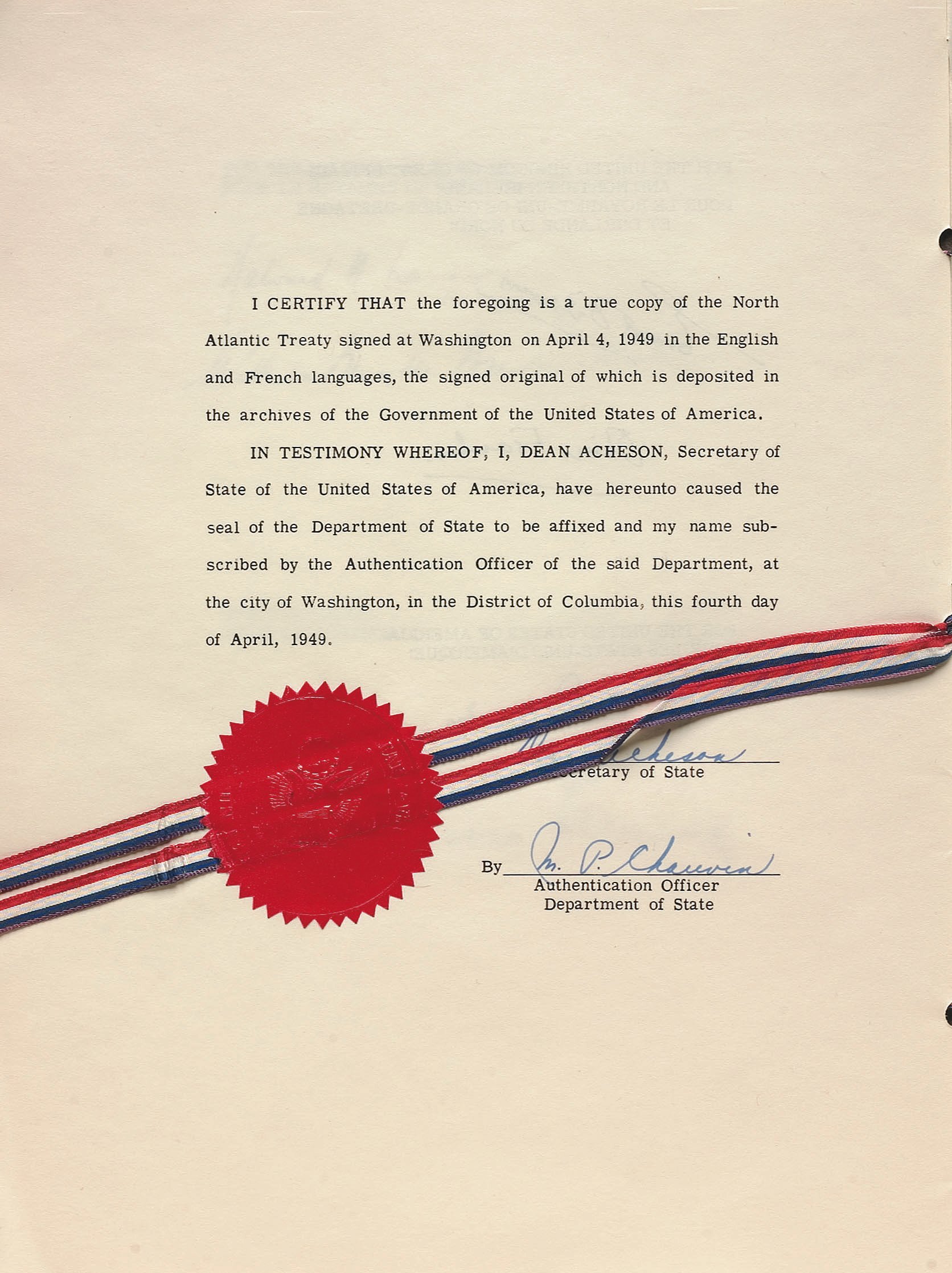
The Council of Europe is a leading international organization that aims to promote democracy, human rights, and the rule of law in Europe. It was established in 1949 to bring together 47 European countries to promote greater unity and cooperation among its member states. The Council of Europe is not a government organization, but rather a forum for discussion, debate, and cooperation among its member states. It has played a significant role in shaping European law and policy, particularly in the areas of human rights, the rule of law, and the protection of minorities.
The Council of Europe is headquartered in Strasbourg, France, and has a secretariat that provides administrative support to its various committees and working groups. The organization has a number of key institutions, including the European Court of Human Rights, which is responsible for interpreting the European Convention on Human Rights, and the European Commission against Racism and Intolerance, which monitors and combats racism and xenophobia in Europe.
The Council of Europe has a number of key activities, including the development of European conventions and agreements, the promotion of human rights and the rule of law, and the provision of technical assistance to its member states. It also has a number of programs and projects aimed at promoting democracy, human rights, and the rule of law in Europe.
History
The Council of Europe was established in 1949, shortly after the end of World War II. The organization was founded on the principles of democracy, human rights, and the rule of law, and its primary goal was to promote greater unity and cooperation among European countries. The Council of Europe was initially composed of 10 member states, including Belgium, Denmark, France, Ireland, Italy, Luxembourg, the Netherlands, Norway, Sweden, and the United Kingdom.
In the early years of its existence, the Council of Europe focused on promoting economic and social cooperation among its member states. It established a number of committees and working groups to address issues such as trade, transportation, and social welfare. However, in the 1950s and 1960s, the Council of Europe began to focus more on human rights and the rule of law. It established the European Convention on Human Rights, which was signed by 18 member states in 1950, and it created the European Court of Human Rights to interpret the Convention.
Mechanism
The Council of Europe has a number of key mechanisms that enable it to promote democracy, human rights, and the rule of law in Europe. These include:
* The European Convention on Human Rights: This Convention sets out a range of fundamental rights and freedoms that are protected by law in Europe. It includes rights such as the right to life, the right to freedom from torture, and the right to a fair trial.
* The European Court of Human Rights: This Court is responsible for interpreting the European Convention on Human Rights and for ensuring that member states comply with its provisions. The Court has the power to hear cases brought by individuals or governments, and it can issue judgments that are binding on member states.
* The European Commission against Racism and Intolerance: This Commission is responsible for monitoring and combating racism and xenophobia in Europe. It provides technical assistance to member states and promotes best practices in the area of combating racism and xenophobia.
* The Congress of Local and Regional Authorities of Europe: This Congress brings together local and regional authorities from across Europe to promote cooperation and exchange of best practices.
Activities
The Council of Europe has a number of key activities that promote democracy, human rights, and the rule of law in Europe. These include:
* The development of European conventions and agreements: The Council of Europe has developed a number of European conventions and agreements that promote democracy, human rights, and the rule of law. These include the European Convention on Human Rights, the European Convention on the Prevention of Torture, and the European Convention on the Protection of the Environment.
* The promotion of human rights and the rule of law: The Council of Europe has a number of programs and projects aimed at promoting human rights and the rule of law in Europe. These include the promotion of the European Convention on Human Rights, the provision of technical assistance to member states, and the promotion of best practices in the area of human rights and the rule of law.
* The provision of technical assistance: The Council of Europe provides technical assistance to its member states in a number of areas, including human rights, the rule of law, and the protection of minorities.
Member States
The Council of Europe has 47 member states, including all European countries except for Belarus, Kazakhstan, and Russia. The member states of the Council of Europe are:
* Albania
* Andorra
* Armenia
* Austria
* Azerbaijan
* Belarus (observer)
* Belgium
* Bosnia and Herzegovina
* Bulgaria
* Croatia
* Cyprus
* Czech Republic
* Denmark
* Estonia
* Finland
* France
* Georgia
* Germany
* Greece
* Hungary
* Iceland
* Ireland
* Italy
* Kazakhstan (observer)
* Kosovo
* Latvia
* Liechtenstein
* Lithuania
* Luxembourg
* Malta
* Moldova
* Monaco
* Montenegro
* Netherlands
* North Macedonia
* Norway
* Poland
* Portugal
* Romania
* Russia (observer)
* San Marino
* Serbia
* Slovakia
* Slovenia
* Spain
* Sweden
* Switzerland
* Turkey
* Ukraine
* United Kingdom
* Vatican City
INFOBOX
- Name: The Council of Europe
- Type: International organization
- Date: 1949
- Location: Strasbourg, France
- Known For: Promoting democracy, human rights, and the rule of law in Europe
TAGS
Democracy, Human rights, Rule of law, European Convention on Human Rights, European Court of Human Rights, European Commission against Racism and Intolerance, Congress of Local and Regional Authorities of Europe, International organization